
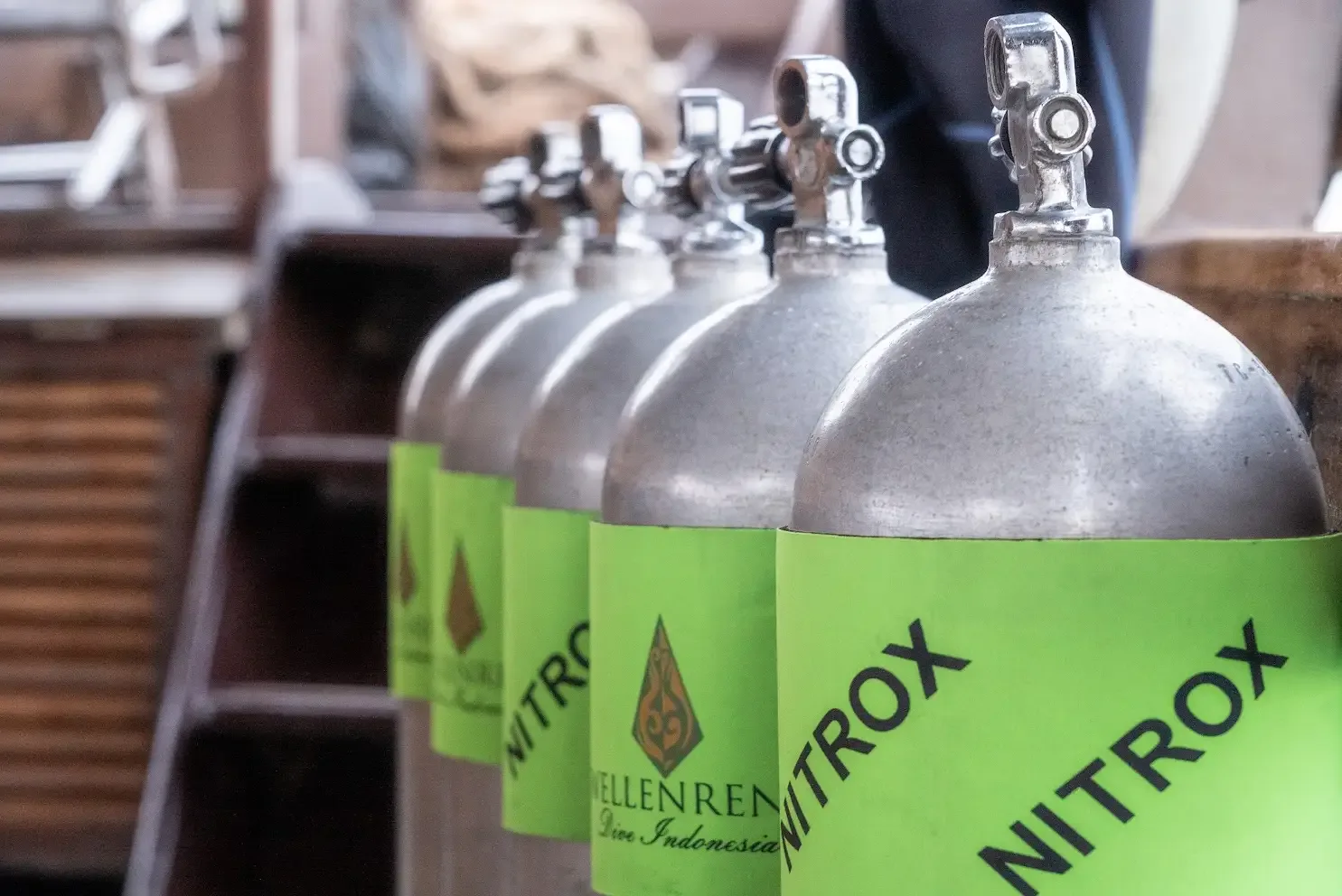
The Role of Technology in Enhancing Diving Safety in Lombok
Technological advancements are significantly enhancing diving safety in Lombok, providing divers with state-of-the-art equipment and systems that improve underwater communication, navigation, and monitoring.
Diving Technology Lombok: Revolutionising Safety
The diving industry in Lombok has experienced substantial growth, with technology playing a pivotal role in ensuring diver safety. As we advance into 2027, various innovations—such as advanced diving computers, integrated communication systems, and improved safety gear—are crucial in transforming the safety standards of diving expeditions. Lombok, with its diverse marine ecosystems, has become a focal point for adopting these technologies. Dive operators are increasingly integrating modern equipment that enhances not only safety but also the overall diving experience.
The island’s geographical location and marine biodiversity make it a popular destination for divers of all experience levels. With more than 20 recognised dive sites around Lombok, including the renowned Gili Islands, divers can explore a wide array of underwater landscapes. These range from vibrant coral reefs to deeper waters teeming with marine life. As the number of diving tourists increases, so does the need for robust safety measures, which technology helps fulfil.
Tech Advancements Diving: A New Era in Safety
In recent years, technological advancements have reshaped diving practices in Lombok. Divers now utilise sophisticated equipment that provides real-time data on vital metrics such as depth, pressure, and temperature. These devices, often equipped with GPS and digital compasses, allow divers to navigate underwater environments with greater precision. For instance, dive computers now come with digital displays that show decompression limits and ascent rates, reducing the risk of decompression sickness.
Moreover, integrating AI and machine learning into diving systems has further enhanced safety. These technologies can predict potential hazards by analysing environmental data, such as weather patterns and ocean currents. This allows divers to take precautionary measures before and during dives. AI-driven algorithms also assist in planning dives by considering variables such as water temperature, marine life activity, and diver experience levels, ensuring safer and more efficient dives.
During the peak diving seasons, which typically run from May to September, these technologies prove invaluable. The influx of divers during these months necessitates heightened safety protocols, and the technology ensures a reliable safety net for both novice and experienced divers.
Safety Tech Lombok Dives: Key Innovations
- Advanced Diving Computers: These devices provide comprehensive data on dive profiles, enabling divers to monitor critical parameters such as nitrogen levels and ascent rates. Modern dive computers can store multiple dive profiles, allowing divers to review past dives and learn from them. They are equipped with alarms to alert divers if they ascend too quickly, enhancing safety.
- Underwater Communication Systems: Modern communication tools, including full-face masks with built-in communication devices, facilitate interaction between divers and surface teams. This technology is crucial in emergencies, allowing for immediate coordination and response. It also enables instructors to communicate with students, providing real-time guidance and feedback.
- Improved Safety Gear: Innovations in materials and design have led to the development of more durable and reliable diving suits and equipment. For example, drysuits made from advanced neoprene materials offer better insulation, allowing divers to explore colder waters comfortably. Additionally, buoyancy control devices (BCDs) now feature enhanced inflation systems for better control and stability underwater.
- Environmental Monitoring: Sensors and drones are used to assess water conditions, alerting divers to potential hazards such as strong currents or the presence of certain marine species. These tools help divers avoid dangerous areas and plan their dives more effectively. Some dive operators use drones to map dive sites, providing detailed topographical information to enhance safety and enjoyment.
These advancements not only enhance safety but also enrich the diving experience in Lombok. To learn more about how these technologies are utilised in local dive sites, visit our comprehensive FAQ page.
2027 Note: Embracing Technological Progress
As of 2027, Lombok continues to embrace technological progress in diving. The local diving community is committed to adopting the latest innovations to ensure that safety remains a top priority. This dedication to technology is evident in the increasing number of tech-savvy dive operators who offer experiences while maintaining robust safety protocols. Operators invest in training their staff to ensure they are proficient in using advanced diving technologies, which is crucial for maintaining high safety standards.
For those planning to explore Lombok’s underwater environments, understanding the role of technology in diving safety is essential. Our main site provides detailed insights into the latest equipment and techniques available. Here, potential divers can also find information about the best times to dive, recommended gear, and tips for a safe diving experience.
FAQ
What technological advancements are improving diving safety in Lombok?
Technological advancements such as advanced diving computers, underwater communication systems, and improved safety gear are enhancing diving safety in Lombok. These innovations provide real-time data and better coordination, reducing risks during dives. Additionally, environmental monitoring tools help divers make informed decisions about dive conditions.
How is AI being used in diving safety?
AI is used in diving safety to predict potential hazards and optimise dive plans. By analysing environmental data, AI-driven algorithms help divers make informed decisions, enhancing safety and efficiency. These technologies are particularly useful in predicting weather changes that could affect diving conditions, allowing divers to plan accordingly.
What are the benefits of underwater communication systems?
Underwater communication systems improve coordination between divers and surface teams, facilitating timely responses in emergencies and enhancing overall safety during dives. They also allow instructors to provide real-time guidance and feedback to students, improving the learning experience. These systems are vital for maintaining contact in challenging conditions, such as poor visibility or strong currents.