

Diving in Lombok: Dive Sites, Seasons & Marine Life
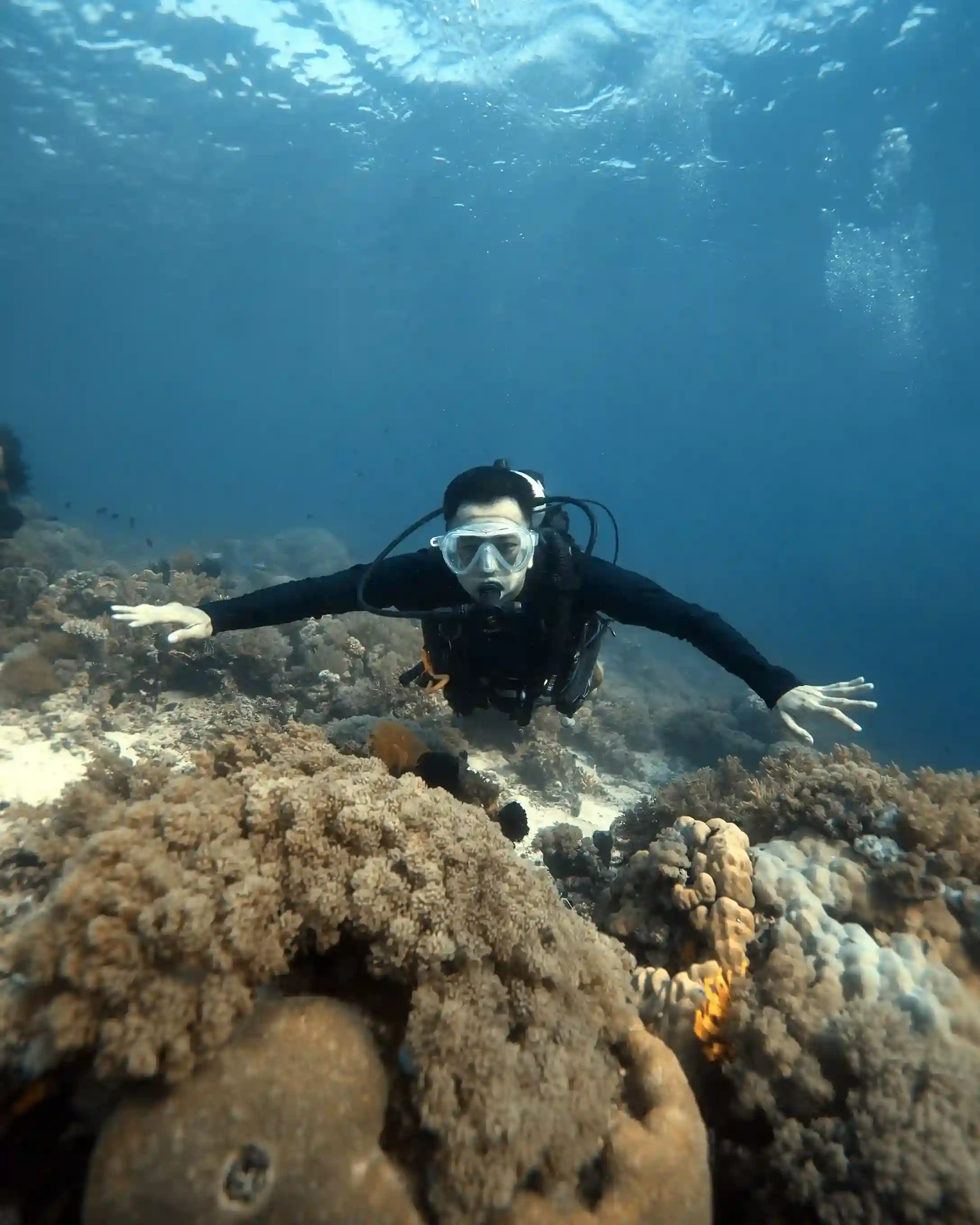
Diving in Lombok means clear water, year-round warm temperatures and easy access to both the Gili Islands and some of Indonesia’s more advanced sites.
What “Diving in Lombok” Actually Means
- Gili Islands (Trawangan, Air, Meno) – reef and wall dives, turtles, reef sharks, classic training ground.
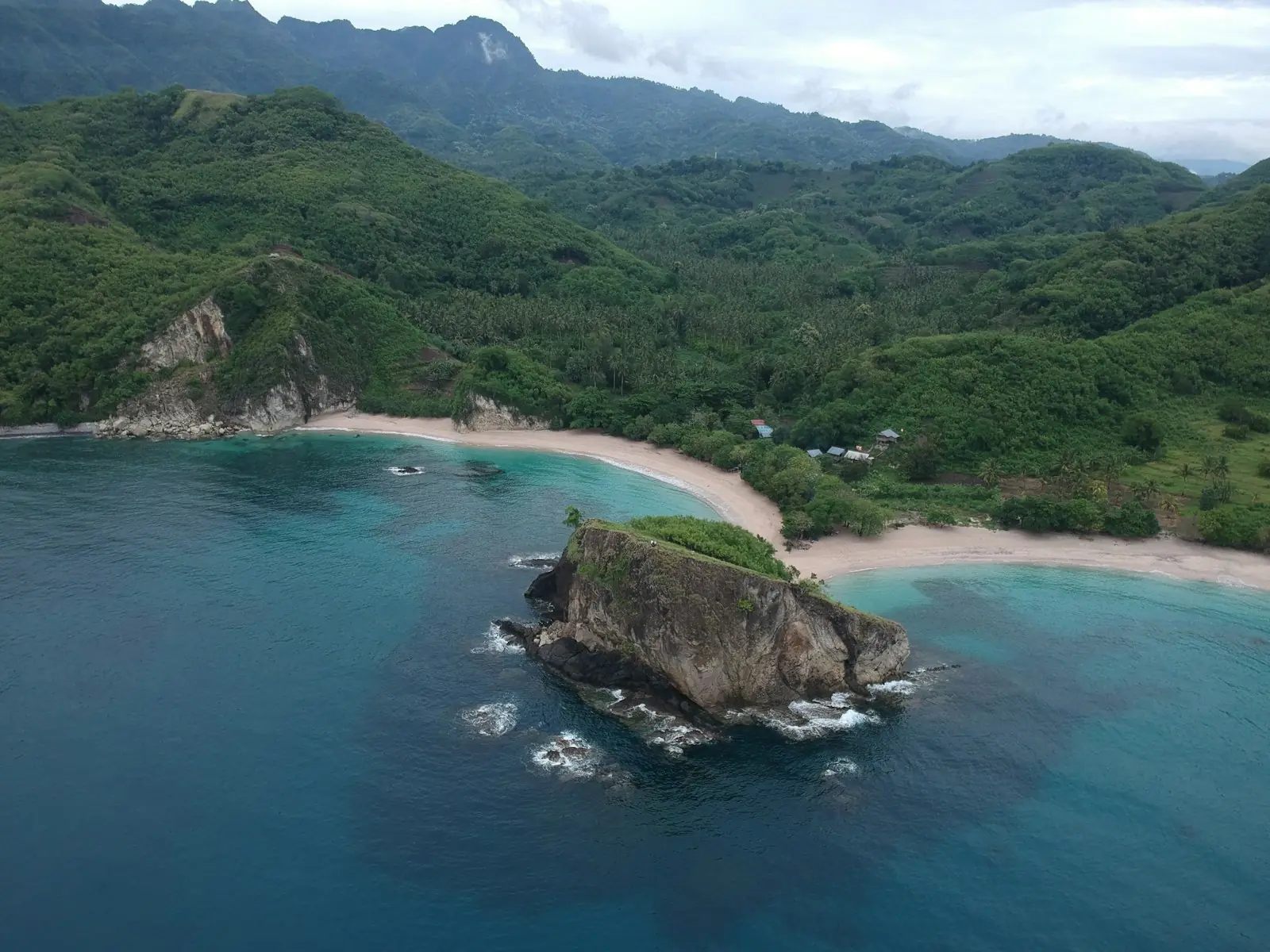
- North & East Lombok – quieter reefs, some muck and macro sites like Seahorse Bay.
- South & Southwest Lombok – Kuta and the South Gilis/Sekotong for more exploratory reef and macro.
- Belongas Bay – advanced only: big swell, downcurrents and seasonal schooling hammerheads at The Magnet.

Good to know
- Operator
- Lombok Diving is operated by Komodo Luxury, a real award-winning Indonesian liveaboard operator (TripAdvisor Travelers’ Choice 2022–2025, founded 2015, part of Juara Holding Group Limited).
- Conditions
- Dive-site depths, seasons and conditions are indicative and vary; advanced sites such as Belongas Bay (hammerheads) and the strong-current sites of Komodo need the right certification.
- Marine Life
- Marine life — mantas, hammerheads, whale sharks — is seasonal and wild, and can never be guaranteed.
- Pricing
- Prices are indicative ranges, by quote, and vary by season, vessel, cabin and itinerary.
- Booking
- Enquiries and booking via WhatsApp +62 811-3823-875 and [email protected].
Lombok Dive Sites at a Glance
Depths and seasons are indicative only; conditions change day-to-day with tides, wind and swell.
| Dive Site | Area | Depth (m) | Level | Highlights | Best Season |
|---|---|---|---|---|---|
| Shark Point | Gili Islands | ~10–30+ | Advanced Open Water+ (confident Open Water on gentle days) | Reef sharks, occasional rays, schooling fish, moderate–strong currents | April–October (driest window for the Gilis) |
| Deep Turbo | Gili Islands | ~18–30+ | Advanced Open Water+ | Deeper reef, stronger currents, hard/soft coral, schooling pelagics | April–October |
| Han’s Reef | Gili Air area | ~5–20 | Open Water / good for training | Gentle slope, reef life, some macro (nudibranchs, shrimps) | Year-round, calmest April–October |
| Meno Wall / Bounty | Gili Meno | ~5–25 | Open Water & above | Wall diving, turtles, artificial reef structures at Bounty | April–October |
| Secret Reef | Near Gili Trawangan | ~10–25 | Open Water & above (depending on current) | Patch reef, mixed coral garden, reef fish, occasional turtles | April–October |
| Turtle Heaven | North of Gili Meno | ~10–25 | Open Water & above | High turtle encounters, coral bommies, schooling fish | April–October (year-round turtles, visibility more reliable in dry season) |
| Sekotong / South Gilis | Southwest Lombok | ~5–25 | Open Water & above | Quieter reefs, some macro, soft sand slopes, coral patches | May–November (outside peak rainy months) |
| Belongas Bay – “The Magnet” | South Lombok | ~18–30+ | Advanced/Rescue+ with recent current experience | Oceanic feel, schooling fish; seasonal hammerhead encounters | Approx. July–September for hammerheads; sea state dependent |
| Kuta / South Lombok Reefs | South Lombok | ~5–25 | Open Water & above | Less-dived reefs, sand channels, macro, occasional bigger fish | May–November (swell and wind dependent) |
| Seahorse Bay | East Lombok | ~3–18 | Advanced Open Water macro enthusiasts (calm but specific skill) | Muck/macro: seahorses, frogfish, critters on sand and debris | Generally good May–November; water clarity can vary |
Want tailored advice on which sites fit your logbook and comfort level? Message our team on WhatsApp at +62 811-3823-875.
Lombok Seasons, Conditions & Visibility
-
Water Temperature
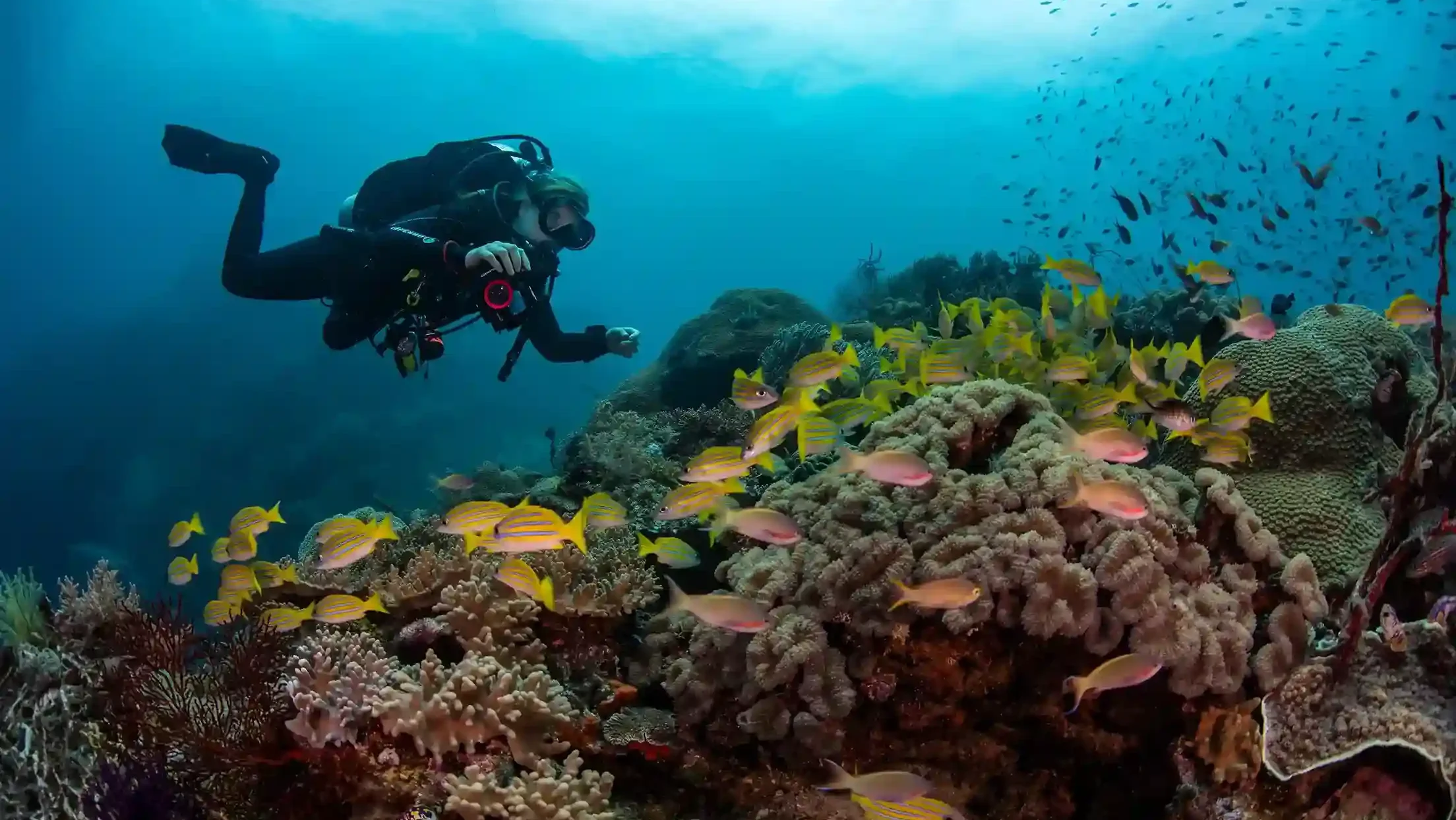
Lombok sits on the edge of the Indonesian Throughflow. You can expect:- Typical range: around the mid‑20s °C for much of the year, with cooler thermoclines on deeper or current‑exposed sites.
- Wetsuit: 3 mm full suit is comfortable for most divers; if you feel the cold or plan 3–4 dives/day, bring a 5 mm or hooded vest.
-
Dry vs Wet Season
The Gilis and most Lombok dive sites are accessible year‑round, but conditions vary.- April–October (dry season): This is the main window for the Gilis – more stable sunshine, usually better visibility, fewer stormy days. Trade winds can still bring surface chop.
- November–March (wet season): Warm and humid, with rain showers and more variable visibility. We still dive many days; schedules become more weather‑dependent, especially for exposed southern sites.
-
Currents
Lombok and the Gili islands sit between Bali and Sumbawa, with tidal water moving hard through the straits. That means:- Gili sites: Many dives are mild to medium drift dives. On certain tides, sites like Shark Point and Deep Turbo can run strong and are only suitable for divers who are relaxed in current.
- Belongas Bay: Strong currents, vertical and horizontal, plus potential downcurrents and significant swell. This area is for experienced divers only, and we only go when conditions and diver profiles match.
- South & Southwest reefs: More exposed to swell and wind; conditions can swing from calm to sporty in a few days.
Core Gili & Lombok Dive Sites Explained
-
Shark Point (Gili)
Type: Reef and slope with channels
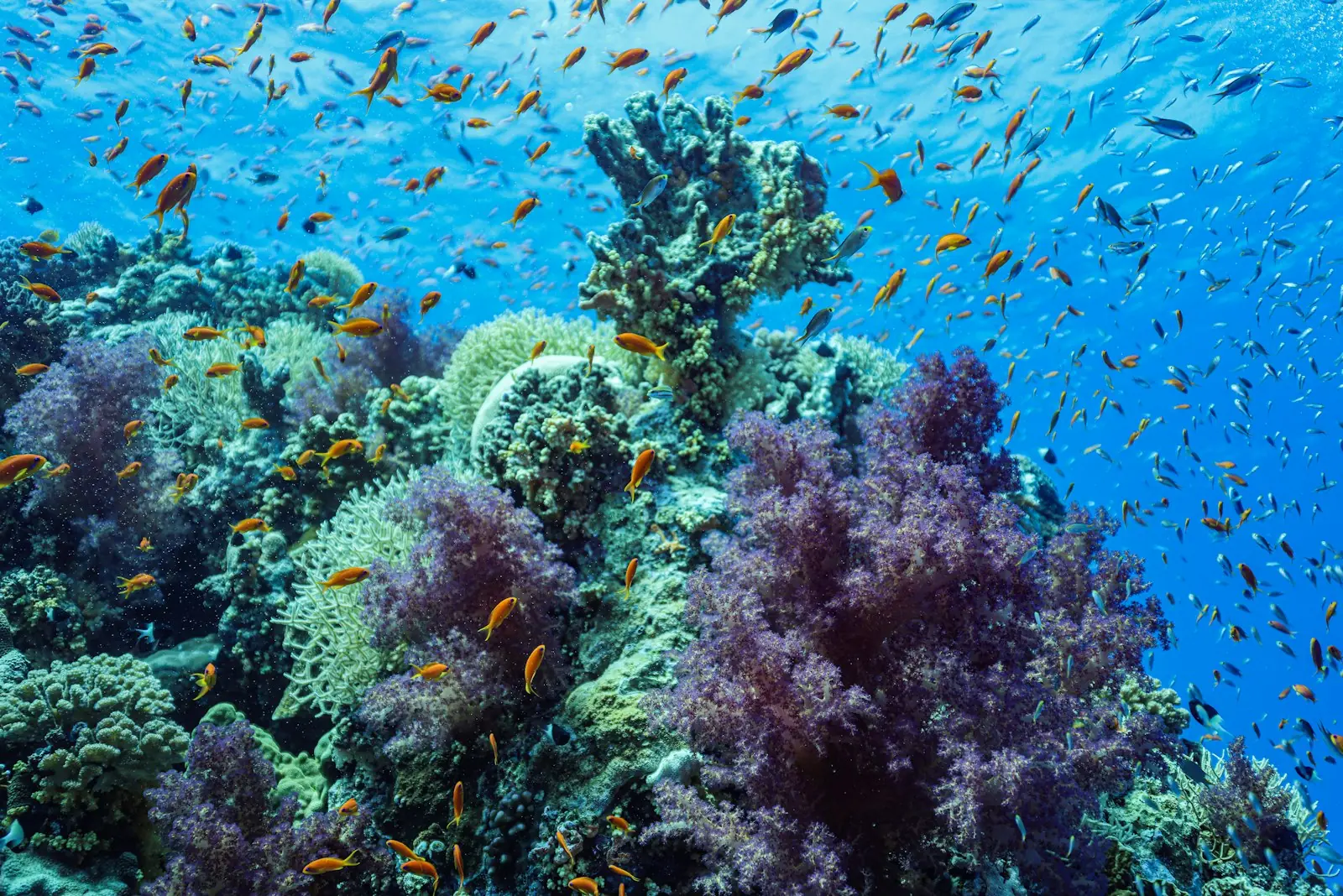
Who it’s for: Confident Advanced Open Water+ or experienced Open Water divers in good conditions. Shark Point is one of the best‑known lombok dive sites for seeing reef sharks. Expect white‑tip and black‑tip reef sharks cruising the bottom, schools of fusiliers and surgeonfish, and occasional rays. Currents vary from gentle to strong; the same site can be a relaxed meander or a fast drift depending on the tide. We usually plan this as a deeper dive, with a focus on gas management, staying tight as a group and staying off the bottom. Good buoyancy and the ability to manage yourself in moderate current are essential. -
Deep Turbo (Gili)
Type: Deeper reef with stronger currents
Who it’s for: Advanced Open Water+ with recent deep/current experience. Deep Turbo is for divers who are already comfortable at depth. The reef structure, schooling fish and the occasional larger visitor make it a rewarding dive, but the currents and depth range demand discipline. We keep a close eye on NDLs, gas and buddy awareness here. -
Han’s Reef (Gili Air)
Type: Gently sloping reef, patches of sand and coral
Who it’s for: Ideal for Open Water training, refreshers, and relaxed fun dives. With a sandy bottom and easy navigation, Han’s Reef is forgiving for buoyancy practice. You still get bright reef fish, occasional turtles and some macro like nudibranchs and small shrimps. On calm days it’s a nice first warm‑up dive after time out of the water. -
Meno Wall / Bounty (Gili Meno)
Type: Wall and artificial reef
Who it’s for: Open Water and above. Meno Wall gives that classic “drop off” feeling without extreme depths. Sponges, overhangs, and small caves shelter a range of reef life. The Bounty area includes sunken structures that have become artificial reef, home to schooling fish and invertebrates. Turtles are common around Meno, but they are wild animals – enjoy them when they show up, don’t expect a “turtle show” on command. -
Secret Reef (Gili)
Type: Patch reef and coral garden
Who it’s for: Open Water and above, depending on current. Secret Reef offers varied topography, coral bommies and sandy patches. The name sounds dramatic; the reality is a solid, enjoyable reef dive that we use a lot for fun dives at beginner and intermediate levels, current‑depending. -
Turtle Heaven (North of Gili Meno)
Type: Coral bommies and reef
Who it’s for: Open Water and above. Turtle Heaven is exactly what most new divers want from diving in Lombok: warm water, healthy coral patches and a high chance of turtle encounters. “Heaven” doesn’t mean a contract with nature – some dives you’ll see multiple turtles, some you won’t. We do not touch, chase or harass turtles for photos. -
Sekotong & the South Gilis (Southwest Lombok)
Type: Quieter reefs, sand slopes, some macro
Who it’s for: Open Water and above; good area for those wanting less boat traffic than the Gilis. West and southwest of Lombok you find small islands and peninsulas with patch reefs and sand. This area is less developed than the Gilis, which means fewer divers and more “exploratory” feeling trips. Expect mixed coral cover, small reef life, and macro if your guide is tuned to it. Conditions can be very gentle on the right day; on others swell and wind can make surfaces choppy. -
Kuta & South Lombok Reefs
Type: Reefs and ridges, sand channels, macro
Who it’s for: Open Water and above, but expect more exposure to swell. South Lombok’s reefs are more open to the Indian Ocean. Visibility and conditions can be excellent, but we watch swell forecasts closely. The draw here is fewer boats and some interesting macro: shrimps, crabs, and the occasional frogfish along with the usual reef residents. -
Belongas Bay & The Magnet – Advanced Only
Type: Offshore rock pinnacles, open‑ocean conditions
Who it’s for: Solid Advanced (or higher) divers with recent current and deep experience; Rescue and above preferred. Belongas Bay is not a casual holiday dive. The Magnet in particular is an exposed rock in open sea. Expect:- Strong currents, including vertical movement and potential downcurrents.
- Swell and surge both on the surface and underwater.
- Occasional rough entries/exits.
-
Seahorse Bay – Macro East Lombok
Type: Muck/macro on sand and rubble
Who it’s for: Macro lovers with at least Advanced Open Water who are happy focusing on small critters. Seahorse Bay is about detail, not big animals. Black and white sand, debris, and man‑made structures become home to seahorses, frogfish, various shrimps and crabs, and a rotation of odd tiny creatures. Visibility can be variable; that doesn’t matter much if you are 30 cm from a seahorse.
Marine Life Around Lombok & the Gilis
This is not an aquarium; there are no guaranteed manta or shark shows. Over a few days of diving you can expect:
Common Sightings
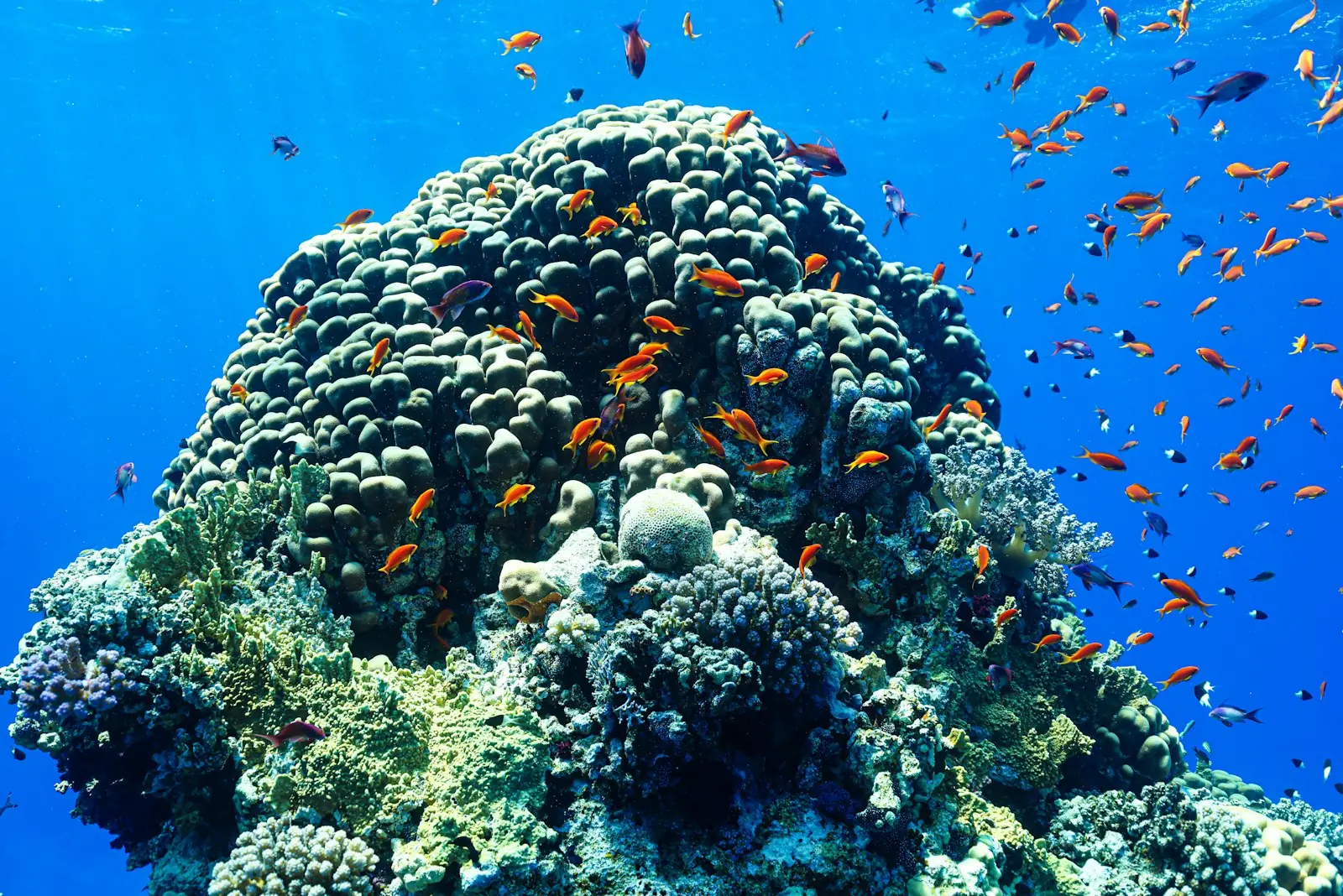
- Turtles: Especially around the Gilis, they’re frequent but not guaranteed on every single dive.
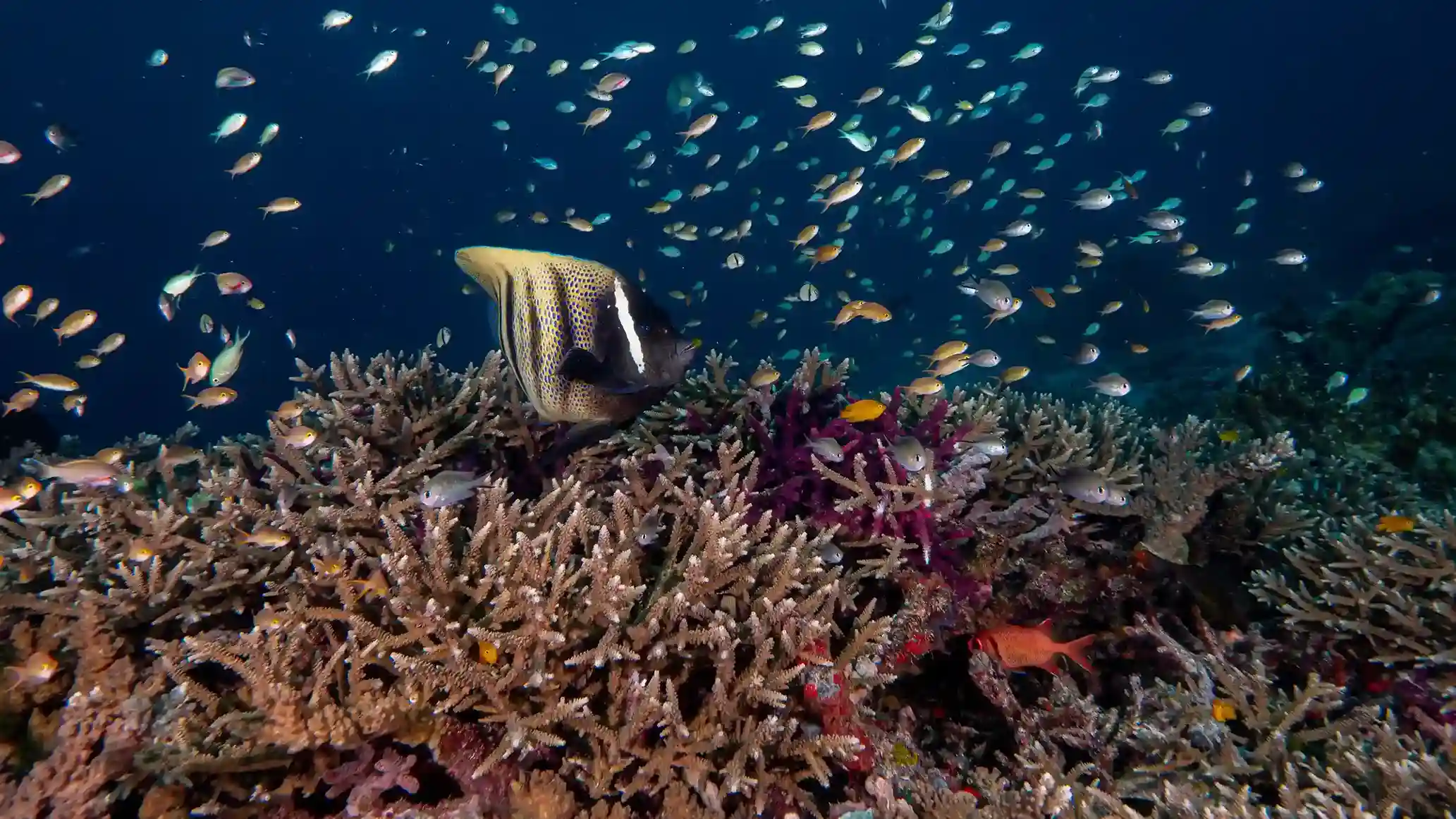
- Reef fish: Triggerfish, surgeonfish, snappers, fusiliers, sweetlips, angelfish, butterflyfish.
- Invertebrates: Nudibranchs, shrimps, crabs, sea stars, sea cucumbers, various urchins.
- Reef sharks: White-tip and black-tip reef sharks on sites like Shark Point.
Macro & Critters
- Seahorses: Especially at Seahorse Bay and suitable macro sites when conditions align.
- Frogfish: Camouflaged on sponges or debris, mostly on macro-focused dives.
- Occasional unusual guests: Pipefish, various types of shrimp and crabs, small cephalopods when conditions and luck line up.
Big-Animal Encounters (Honest Version)
- Hammerhead sharks: Seasonal around The Magnet/Belongas Bay approximately July–September. We sometimes see single hammerheads, sometimes schools, and sometimes none at all for days.
- Manta rays: Not a core Lombok/Gili feature. For reliable manta interaction in Indonesia, we move divers to Komodo or Raja Ampat liveaboards where feeding and cleaning stations exist, again with no guarantees.
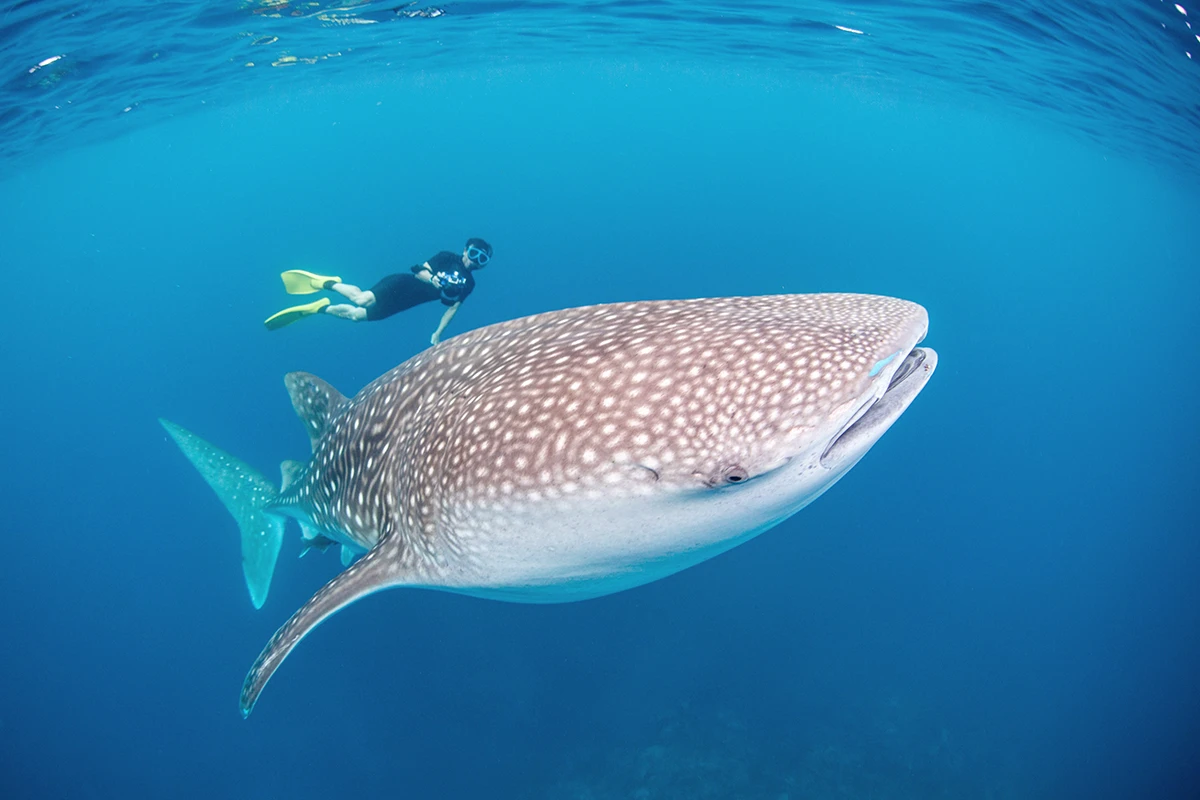
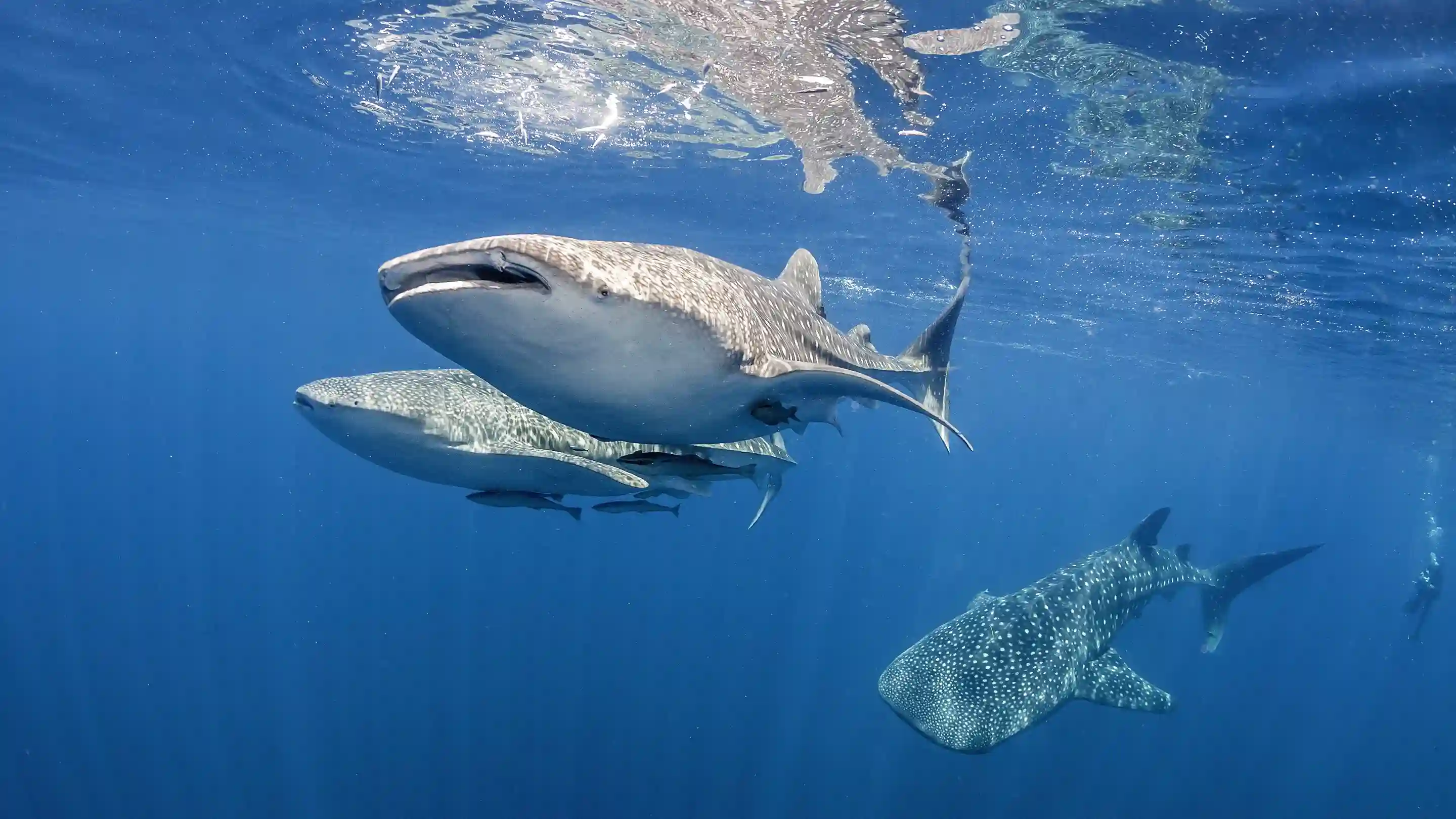
- Whale sharks: Not a routine feature of everyday Lombok diving. We sometimes arrange itineraries through regions of Indonesia where seasonal whale shark aggregations are more likely, but it’s always probability, never promise.
Who Should Dive What in Lombok

-
Beginners & First‑Time Divers
If you’re new to the water, we stick to:- Shallow, protected Gili sites like Han’s Reef, parts of Meno Wall and similar reefs.
- Training dives with easy entries and exits and no strong current.
-
Certified Recreational Divers
With an Open Water or Advanced Open Water certification and a few recent dives, you can enjoy the majority of Lombok dive sites:- Gili reefs and walls, including Turtle Heaven, Meno Wall, Han’s Reef, Secret Reef.
- Much of Sekotong and South Gili area, conditions allowing.
- Kuta/South Lombok reefs on appropriate days.
-
Advanced & Technical Divers
For more experienced divers who already know how to manage themselves in current, we offer:- Trips to Belongas Bay and The Magnet when the sea state and group level allow.
- Higher‑challenge drift dives around the Gilis.
- Progression into current‑heavy regions like Komodo via liveaboard, where you can work up through different current types and depths under guidance.
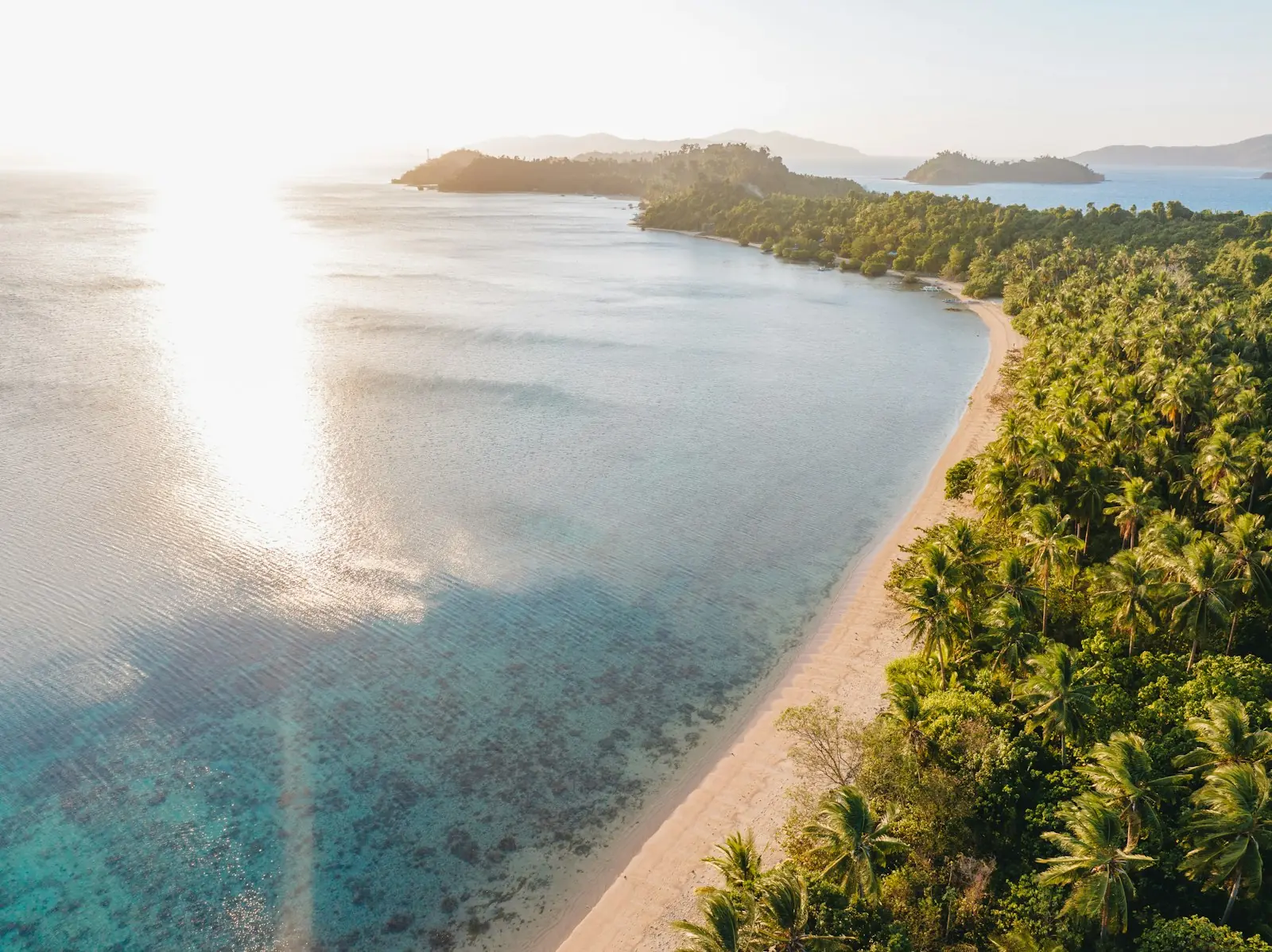
We do not put new divers straight into deep, current‑heavy dives just because “everyone wants to see sharks”.

Lombok as a Gateway to Komodo & Raja Ampat Liveaboards
- Divers who warm up around the Gilis for a few days, then board a liveaboard to Komodo.
- Experienced divers who combine Lombok land‑based days with longer trips through Bali, Sumbawa, Komodo, Labuan Bajo and Raja Ampat.
About Komodo Luxury
Komodo Luxury is a real Indonesian liveaboard operator, not a reseller. Facts, not marketing:- Founded: 2015.
- Base: Denpasar, Bali.
- Legal: Part of Juara Holding Group Limited, licensed under KBLI 79120.
- Awards: TripAdvisor Travelers’ Choice 2025 and 2026.
- Owned Fleet: Luxury phinisi yachts Komodo Signature and Komodo Prestige.
- Lombok–Sumbawa–Komodo & Labuan Bajo: Reefs, walls, current‑swept channels, and on the right routes manta cleaning stations and seasonal pelagics.
- Extended cruises to Raja Ampat and eastern Indonesia: For those who want to go beyond Komodo to more remote reefs and marine parks.
Indicative Liveaboard Pricing (Last Verified June 2026)
Prices vary by season, vessel, cabin type and itinerary. As a rough guide:- Komodo itineraries: Approximately USD 300–600 per person per night depending on season, cabin category and exact route.
- Raja Ampat and longer cross‑Indonesia cruises: Typically higher due to distance and park fees, often USD 350–700 per person per night.
Planning Your Lombok Dive Trip

-
How Many Days?
- Short stay (2–3 days): Focus on Gili highlights – walls, reefs and turtles, plus maybe one macro‑oriented dive.
- Medium stay (4–7 days): Mix Gilis with Sekotong/South Gilis or Kuta/South Lombok, if sea conditions cooperate.
- Extended stay (8+ days): Add advanced day trips to Belongas for qualified divers and/or tack on a liveaboard segment into Komodo.
-
Best Season for You
- For “classic” holiday diving: April–October around the Gilis is hard to beat for reliable visibility and comfortable conditions.
- For quieter boats and more flexible pricing: Shoulder months outside peak holiday periods can work very well; expect more weather variability.
- For hammerhead chances at Belongas: Aim for roughly July–September, accepting that swell and wind may cancel individual days and that hammerheads are not guaranteed.
-
Safety & Responsible Practices
Our basic rules are simple:- We match sites to your actual certification and recent experience, not what a card alone says.
- If conditions are unsafe or marginal for the group profile, we change the plan or cancel.
- We do not chase, feed or harass marine life to get you closer photos.
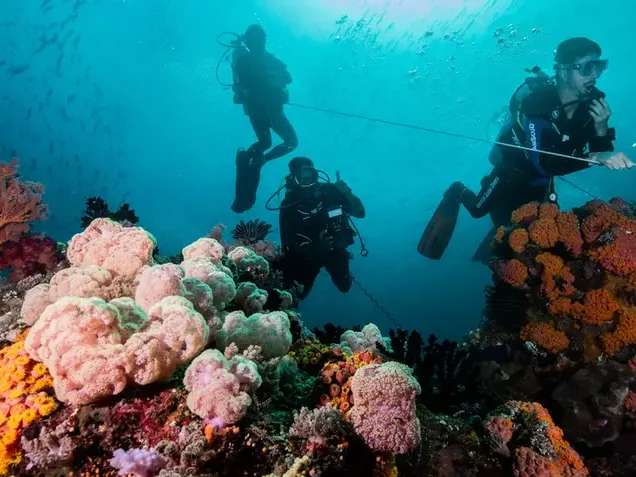
- We keep groups small and brief thoroughly on currents, hand signals and emergency procedures.
FAQs: Diving in Lombok
What are the best dive sites in Lombok?
Where can I see hammerhead sharks near Lombok?
Is Lombok good for beginner divers?
What is the best season for diving in Lombok and the Gilis?
How much does diving in Lombok and liveaboards to Komodo cost?
Ready to talk dates and regions?
Tell us where and how you want to dive. We reply on WhatsApp with the right route, season and vessel, and an indicative quote.
Indicative pricing by quote, no obligation. Operated by Komodo Luxury · TripAdvisor Travelers’ Choice 2022–2025.