
Gili Islands Diving: Trawangan, Air & Meno Dive Sites
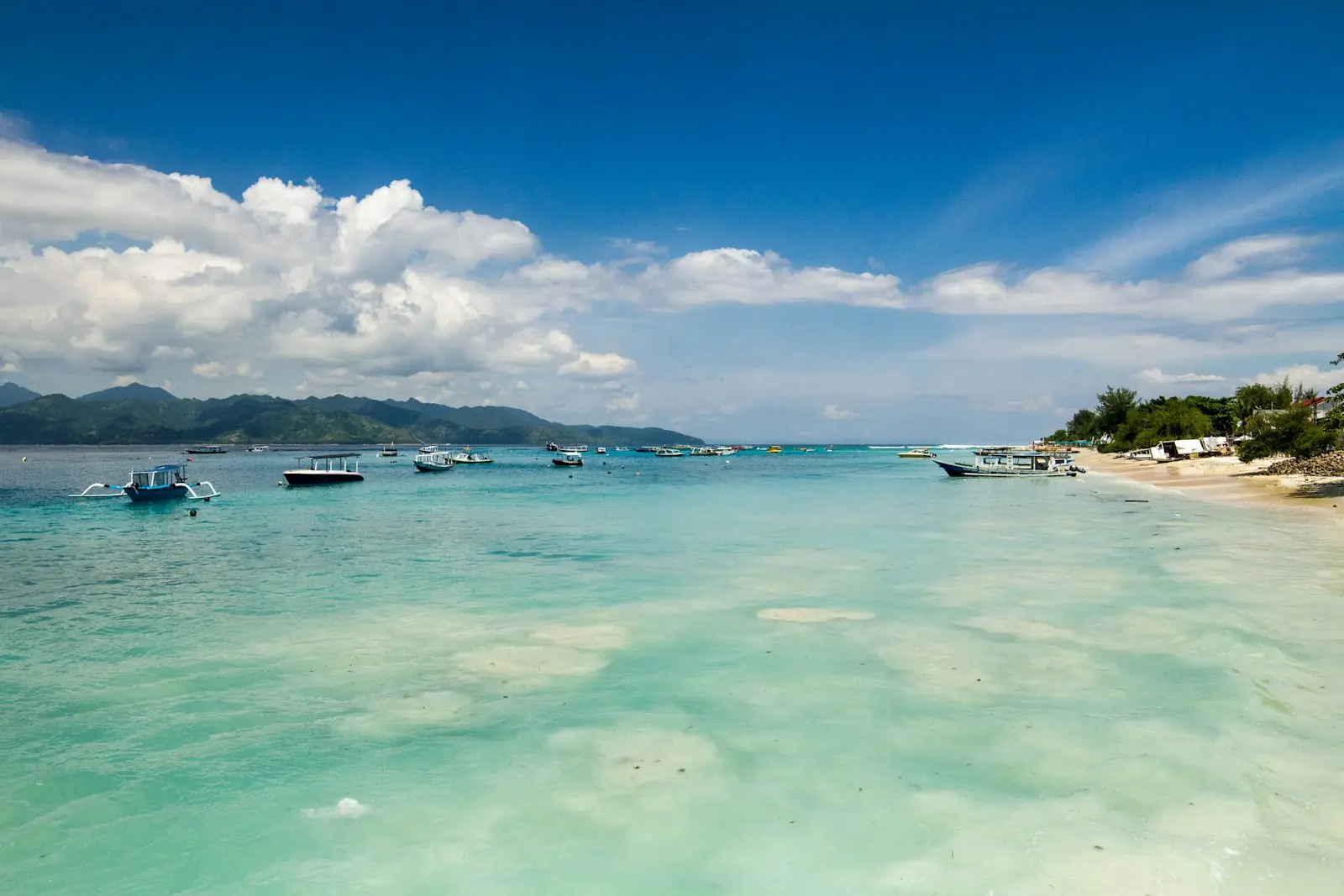
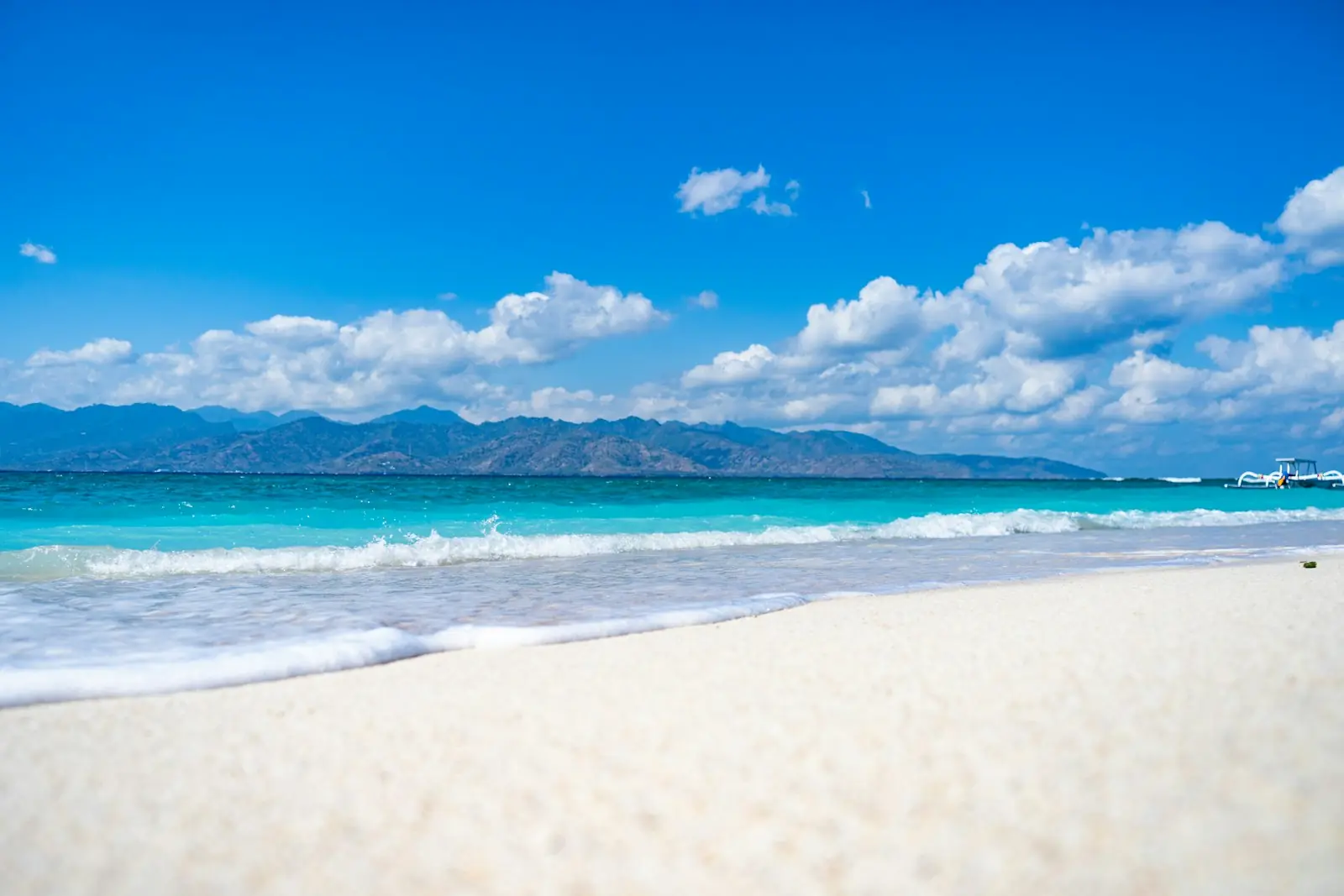
Gili Islands diving means easy-access coral reefs, turtles on most dives, and clear, warm water around Gili Trawangan, Gili Air and Gili Meno just off Lombok.
Gili Islands Diving Overview
Gili Islands diving means easy-access coral reefs, turtles on most dives, and clear, warm water around Gili Trawangan, Gili Air and Gili Meno just off Lombok. From beginner fun dives to deeper drifts and night dives, the Gilis are the most reliable, year‑round diving base in North Lombok.
Who We Are: Lombok Diving by Komodo Luxury
This Lombok Diving page is operated by Komodo Luxury – a real, Indonesian liveaboard and dive travel operator based in Denpasar, Bali. Komodo Luxury was founded in 2015, is part of Juara Holding Group Limited, and is licensed under KBLI 79120 (tour operator). The company owns and operates two luxury phinisi liveaboards: Komodo Signature and Komodo Prestige.
Komodo Luxury has been awarded TripAdvisor Travelers’ Choice from 2022 through 2025. No one can pay to change what we publish; if you proceed with our partner they may pay us a referral fee at no extra cost to you.
Lombok and the Gili Islands are our specialist hook. I’m Wayan Suardika, PADI Dive Instructor & Marine-Life Editor for Lombok Diving. My focus here is the diving itself: how the Gilis actually dive, what you’ll see, what level you need, and how this links into liveaboard trips across Lombok, Bali, Sumbawa, Komodo, Labuan Bajo and Raja Ampat with Komodo Luxury’s fleet.
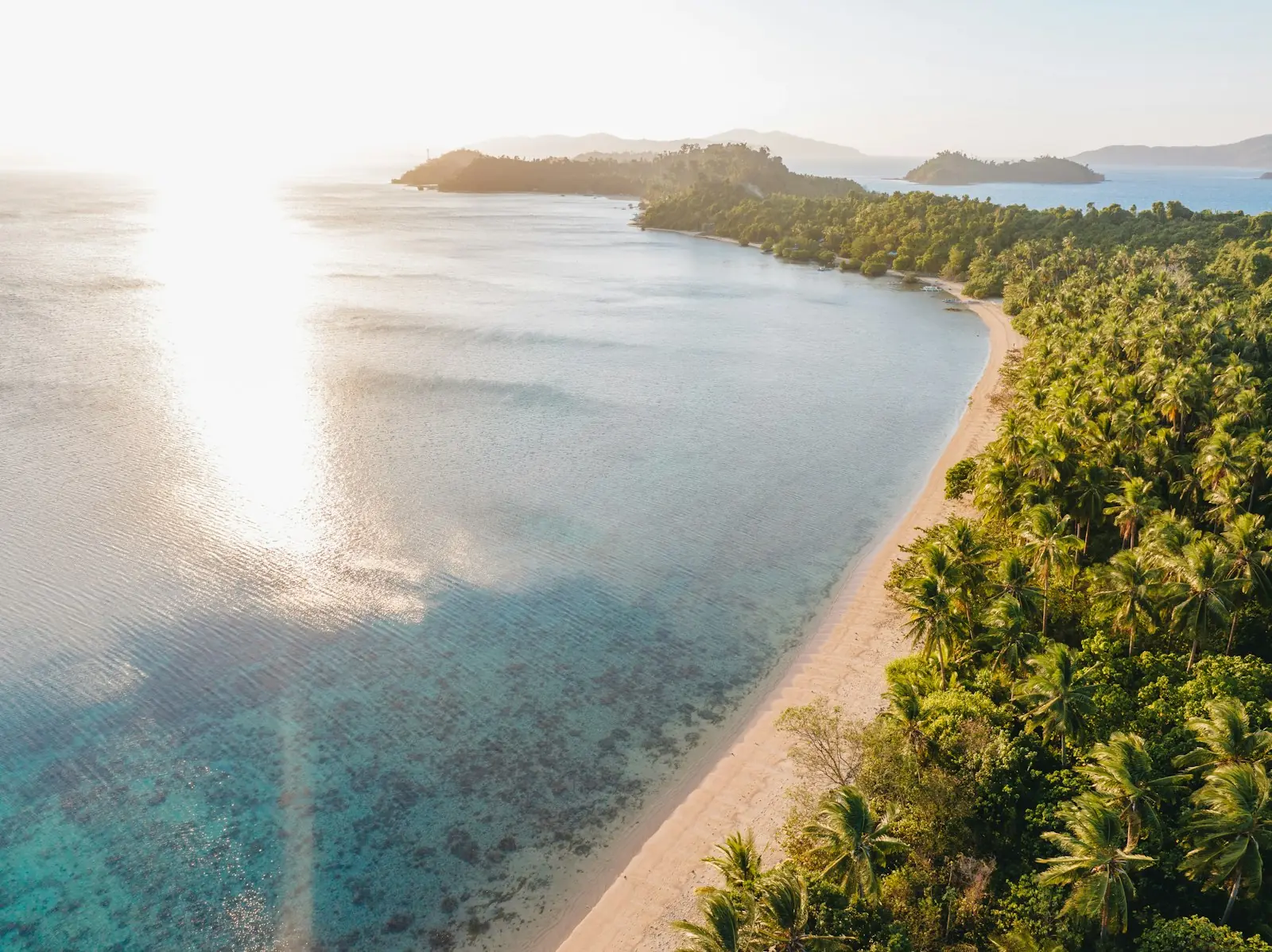
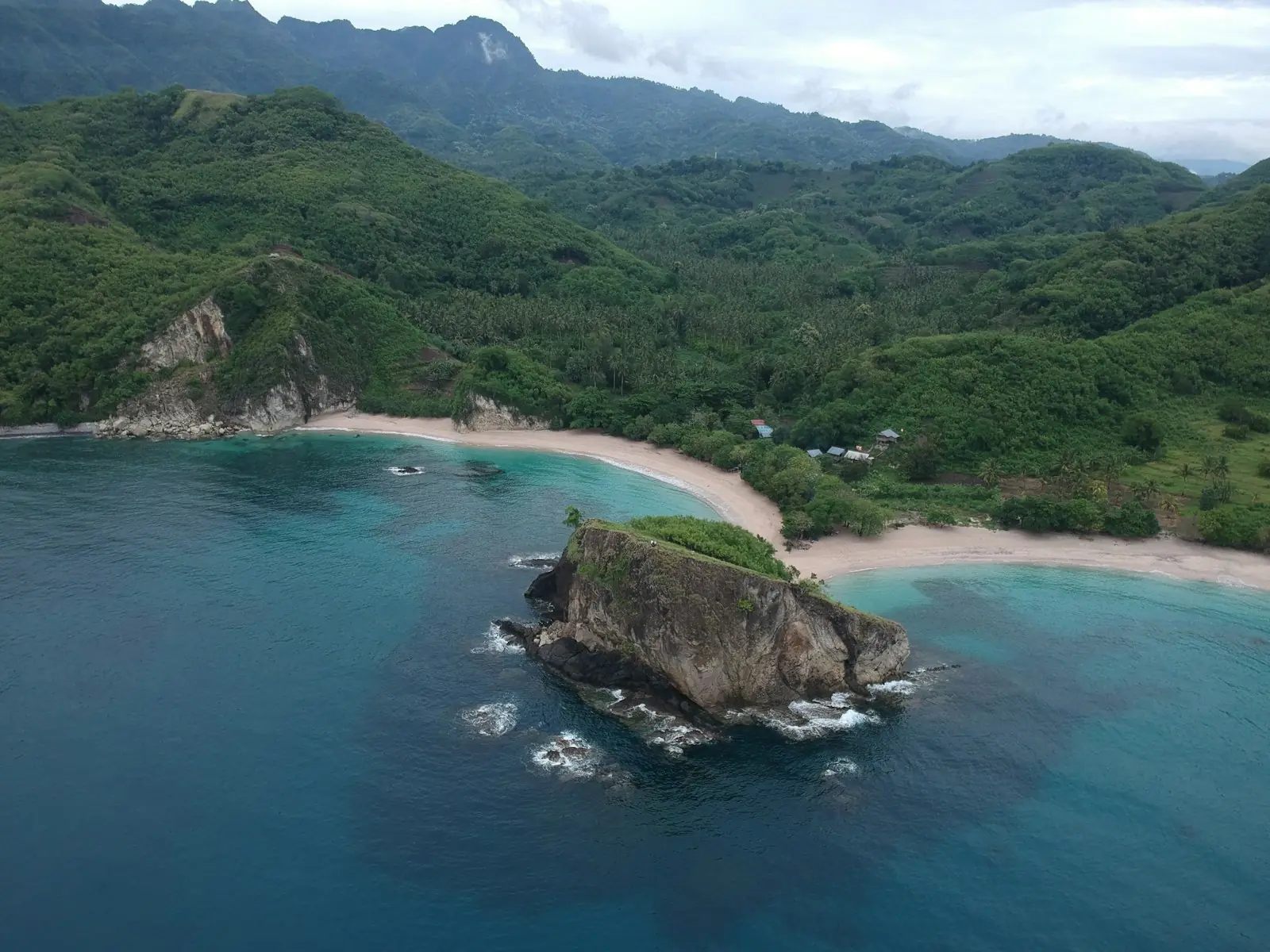
The Gili Islands (Trawangan, Air and Meno) sit off Northwest Lombok. All three are small, vehicle-free islands surrounded by fringing reefs and deeper coral slopes. Most dive sites are 5–20 minutes by boat from shore.
- Water temperature: typically 27–29°C; can drop lower with thermoclines, especially during upwelling periods.
- Visibility: often 15–30 m around the north and east sides in the dry season; can reduce with rain and swell.
- Main season: April–October gives generally calmer seas and more stable visibility.
- Year-round diving: the north Gili sites are accessible all year; we only stop diving in extreme weather.
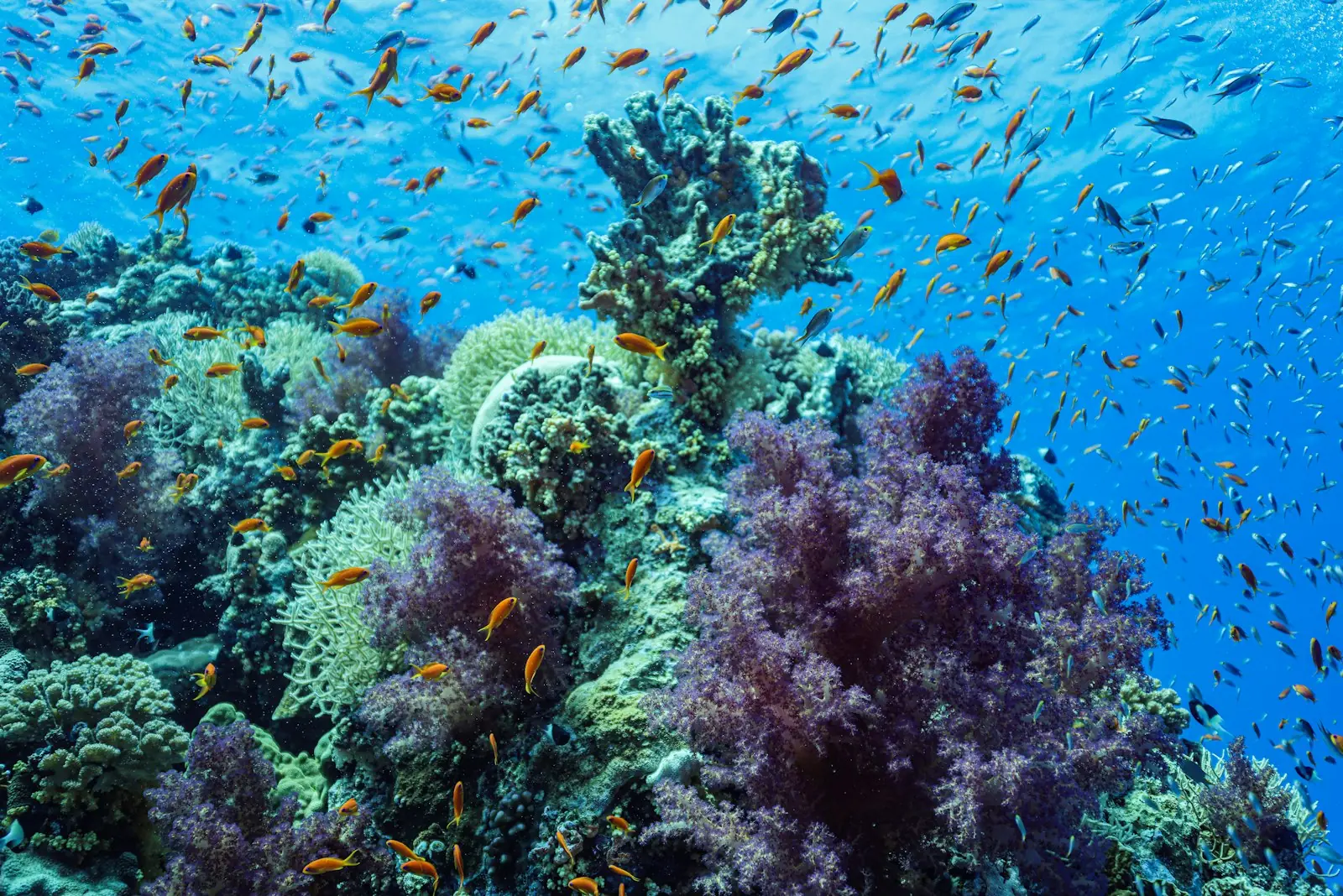
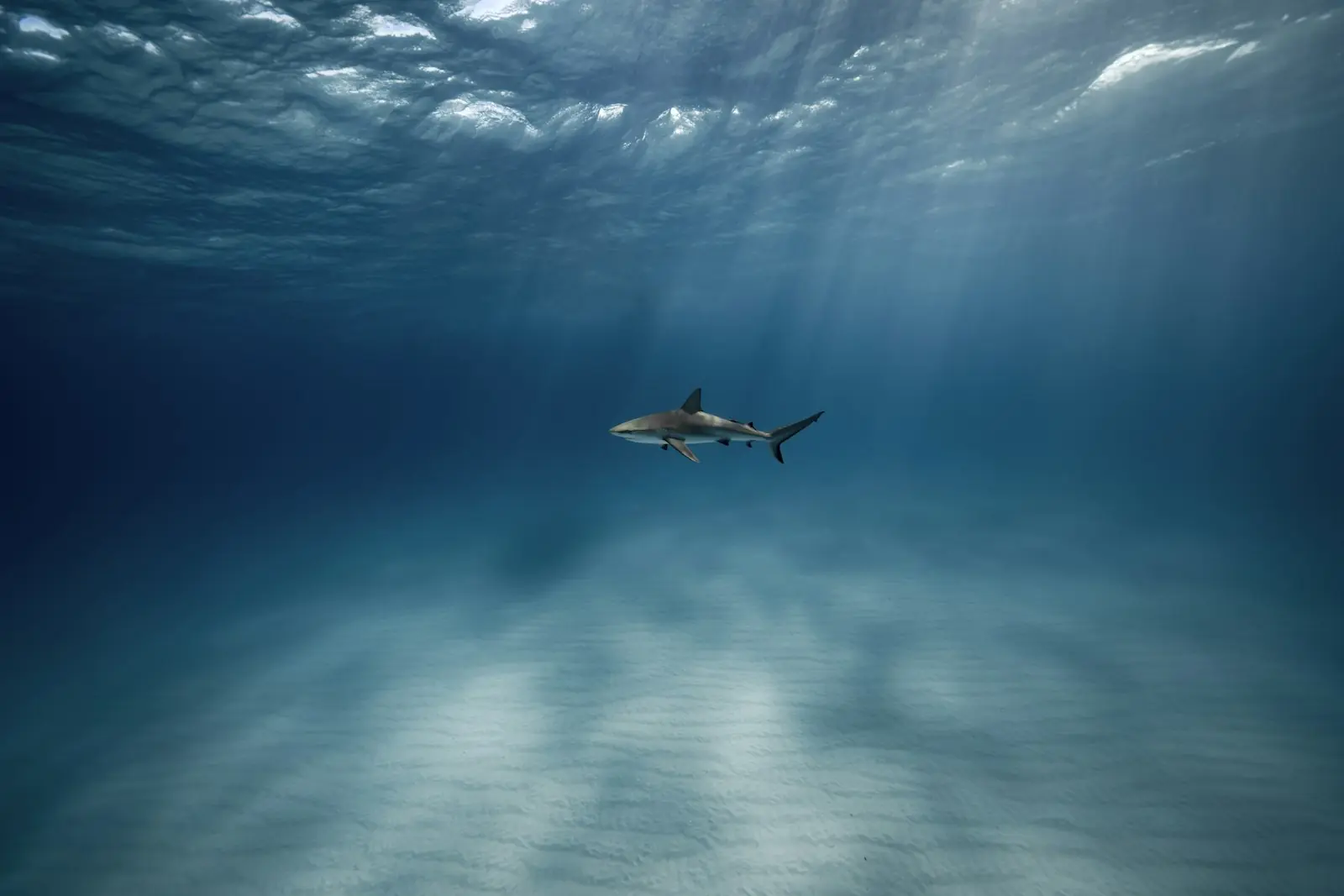
- Marine life: green and hawksbill turtles, reef fish, macro, occasional reef sharks, rays, cuttlefish, octopus, and seasonal pelagics.
Manta rays, hammerheads and whale sharks are not normal Gili residents. You might hear stories; treat them as lucky one‑offs, not expectations. If you want consistent manta or shark action, that’s Komodo, Raja Ampat or Belongas Bay – and those need the right experience level.
Good to know
- Operator
- Lombok Diving is operated by Komodo Luxury, a real award-winning Indonesian liveaboard operator (TripAdvisor Travelers’ Choice 2022–2025, founded 2015, part of Juara Holding Group Limited).
- Conditions
- Dive-site depths, seasons and conditions are indicative and vary; advanced sites such as Belongas Bay (hammerheads) and the strong-current sites of Komodo need the right certification.
- Marine Life
- Marine life — mantas, hammerheads, whale sharks — is seasonal and wild, and can never be guaranteed.
- Pricing
- Prices are indicative ranges, by quote, and vary by season, vessel, cabin and itinerary.
- Booking
- Enquiries and booking via WhatsApp +62 811-3823-875 and [email protected].
Gili Trawangan Diving
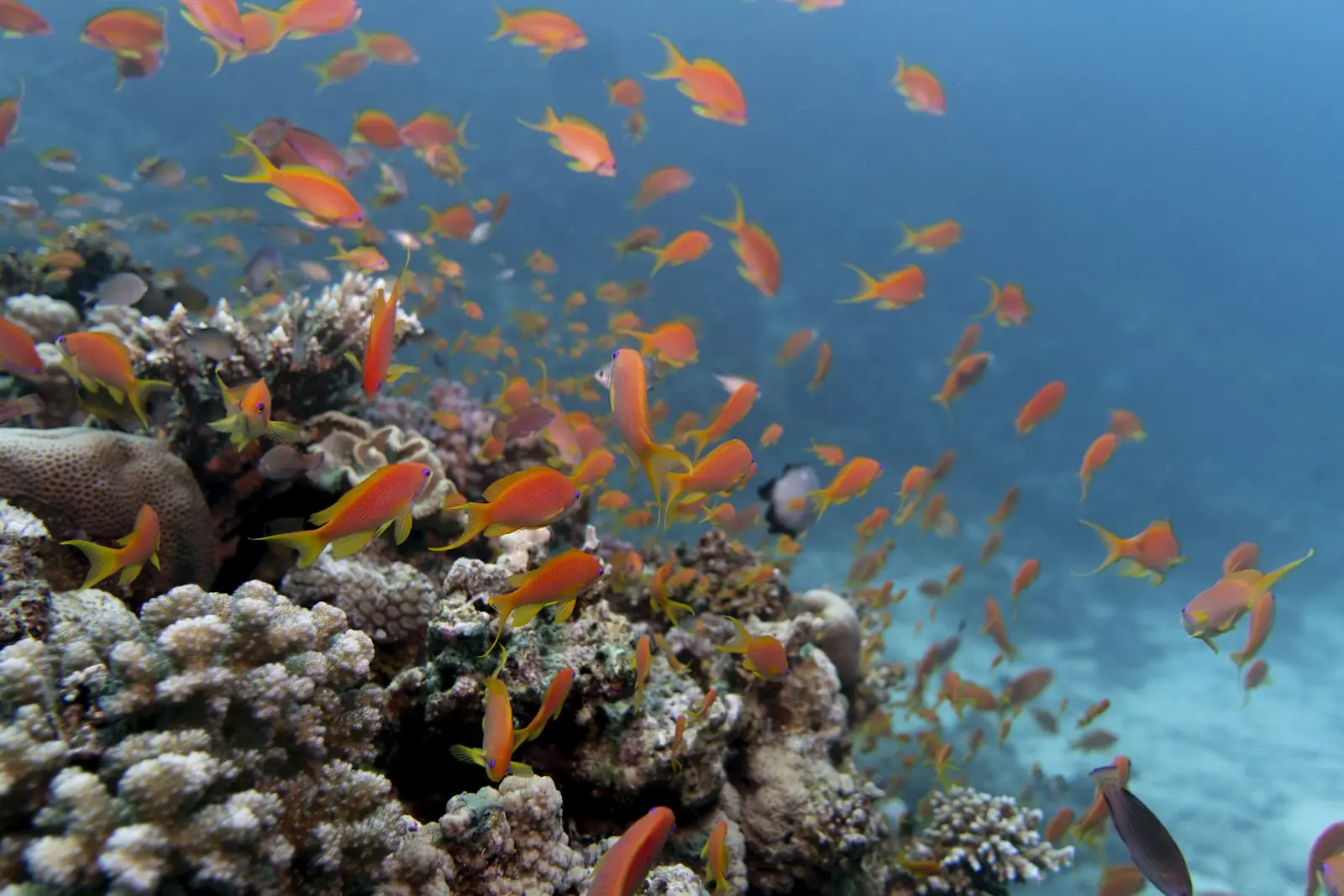
Gili Trawangan (Gili T) is the busiest island and the main base for gili trawangan diving. Most dive centers run daily trips to shared sites around all three Gilis, so staying on Gili T doesn’t limit your diving – it just gives you more nightlife and restaurant choice.
-
Who Gili Trawangan Suits
- Beginners: easy sandy slopes and turtle sites are ideal for Discover Scuba Diving and Open Water courses.
- Certified fun divers: relaxed drifts, wrecks, night dives and some deeper reefs.
- Advanced divers: deeper sites and faster currents available, but big‑current training is better done elsewhere (e.g. Komodo) if that’s your main goal.
-
Key Gili Trawangan Dive Sites
Depths and difficulty below are indicative – conditions change with tides and seasons.
-
Shark Point (also called Halik / North Trawangan area)
- Type: sloping reef, coral ridges, sandy patches.
- Level: Open Water and above in mild conditions; Advanced recommended when currents pick up.
- Currents: can range from gentle drift to strong; timing with tides is essential.
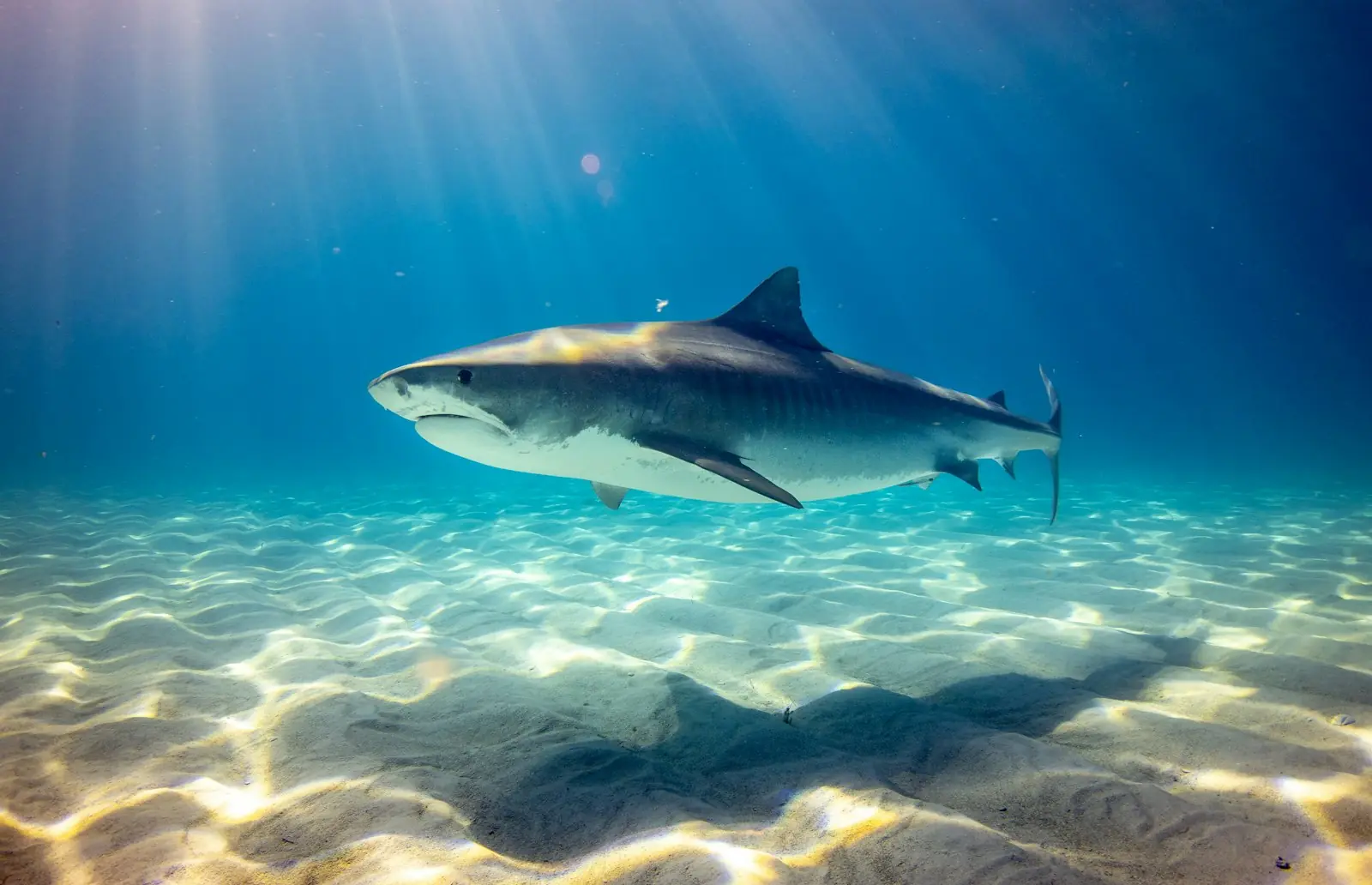
- Highlights: frequent turtles, schools of fusiliers and snappers, and occasional white‑tip or black‑tip reef sharks cruising the slope. Also stingrays and cuttlefish.
Don’t come expecting a shark dive like Komodo or Raja Ampat; here sharks are a bonus, not the main show.
-
Deep Turbo (off the north‑east of the Gilis)
- Type: deeper coral formations with sandy channels.
- Level: Advanced Open Water (or equivalent) with good buoyancy.
- Currents: often stronger and more variable; may involve down‑currents and up‑currents.
- Highlights: healthier hard corals and barrel sponges, schooling fish, trevally, and occasionally larger visitors passing by the blue.
If you’re fresh from your Open Water course, build more experience on the shallower sites before asking for Deep Turbo. This site is only pleasant if you’re comfortable in current and blue‑water feel.
-
Turtle Heaven (north of Gili Meno / accessible from Gili T)
- Type: coral slope with turtle cleaning and resting areas.
- Level: Great for Open Water and up.
- Currents: typically mild to moderate drifts.
- Highlights: very high turtle density – seeing multiple green and hawksbill turtles in a single dive is common.
This is the site most people imagine for “Gili turtle diving”. On a two‑dive trip you may feel you’ve seen every turtle in Indonesia. You haven’t – but it feels that way.
-
Night Diving from Gili Trawangan
Several sites off Gili T work well at night: parts of Shark Point, shallower reefs and sandy slopes. Expect hunting lionfish, decorator crabs, shrimps, sleeping turtles, and occasional Spanish dancers. Night dives here stay relatively easy compared to current‑heavy destinations like Komodo.


Gili Air Diving
Gili Air is quieter than Trawangan, with more of a village feel but still solid dive infrastructure. gili air diving is good for relaxed fun dives, courses and macro hunting, especially on the east and south‑east reefs facing Lombok.
Who Gili Air Suits
- First‑time divers: very suitable for Discover Scuba Diving and Open Water; many sites are close to shore.
- Photographers: macro and reef life in easy conditions.
- Families / mixed groups: non‑divers have beaches and snorkeling while divers head out on the boat.
Key Gili Air Dive Sites
Han’s Reef (off North‑East Gili Air)
- Type: patch reefs and sandy areas, artificial reef structures in some spots.
- Level: Beginner‑friendly; good for training dives.
- Currents: usually light, but can increase with tides.
- Highlights: rich macro life: seahorses, pipefish, ghost pipefish in season, nudibranchs, frogfish if you’re lucky, plus juvenile reef fish. Turtles also appear.
Han’s Reef is where I take macro‑curious divers who don’t want heavy current. Slow, patient, and close to the sand is the way to dive it.
Secret Reef (area between Air and Meno)
- Type: mixed coral gardens and rubble with scattered bommies.
- Level: Open Water+ with reasonable buoyancy control.
- Currents: mild to moderate drift.
- Highlights: healthy hard and soft corals, reef fish, occasional cuttlefish, morays and crustaceans. Good for relaxed drifts.
“Secret” just means less talked about; you’ll rarely have this area fully to yourself, but traffic is lower than headline sites.
Gili Meno Diving
Gili Meno is the quietest island, with minimal nightlife and fewer but focused dive operations. gili meno diving is about turtles, gentle walls and one of the area’s most iconic wreck sites.
Who Gili Meno Suits
- Couples and slow‑travel divers: quieter island, fewer distractions.
- Photographers: Meno Wall and Bounty Wreck are very photogenic.
- Course students who value calm: less boat traffic and noise.
Key Gili Meno Dive Sites
Meno Wall
- Type: wall and slope with soft corals and sponges.
- Level: Suitable from Open Water upward.
- Currents: often gentle, but can run along the wall.
- Highlights: turtles, reef fish, lionfish, scorpionfish, and nocturnal life on night dives (crustaceans, hunting morays).
Bounty Wreck (Meno Bounty)
- Type: sunken jetty structure from an old floating platform, now artificial reef.
- Level: Open Water+ with good buoyancy around the structure.
- Currents: variable drifts across and along the wreck.
- Highlights: schools of fish around the structure, batfish, occasional turtles, macro life hiding in the framework.
This is not a huge, intact shipwreck like you find in Bali’s Tulamben, but it’s one of the more distinctive profiles in the Gilis and excellent for wide‑angle and fish‑school shots.
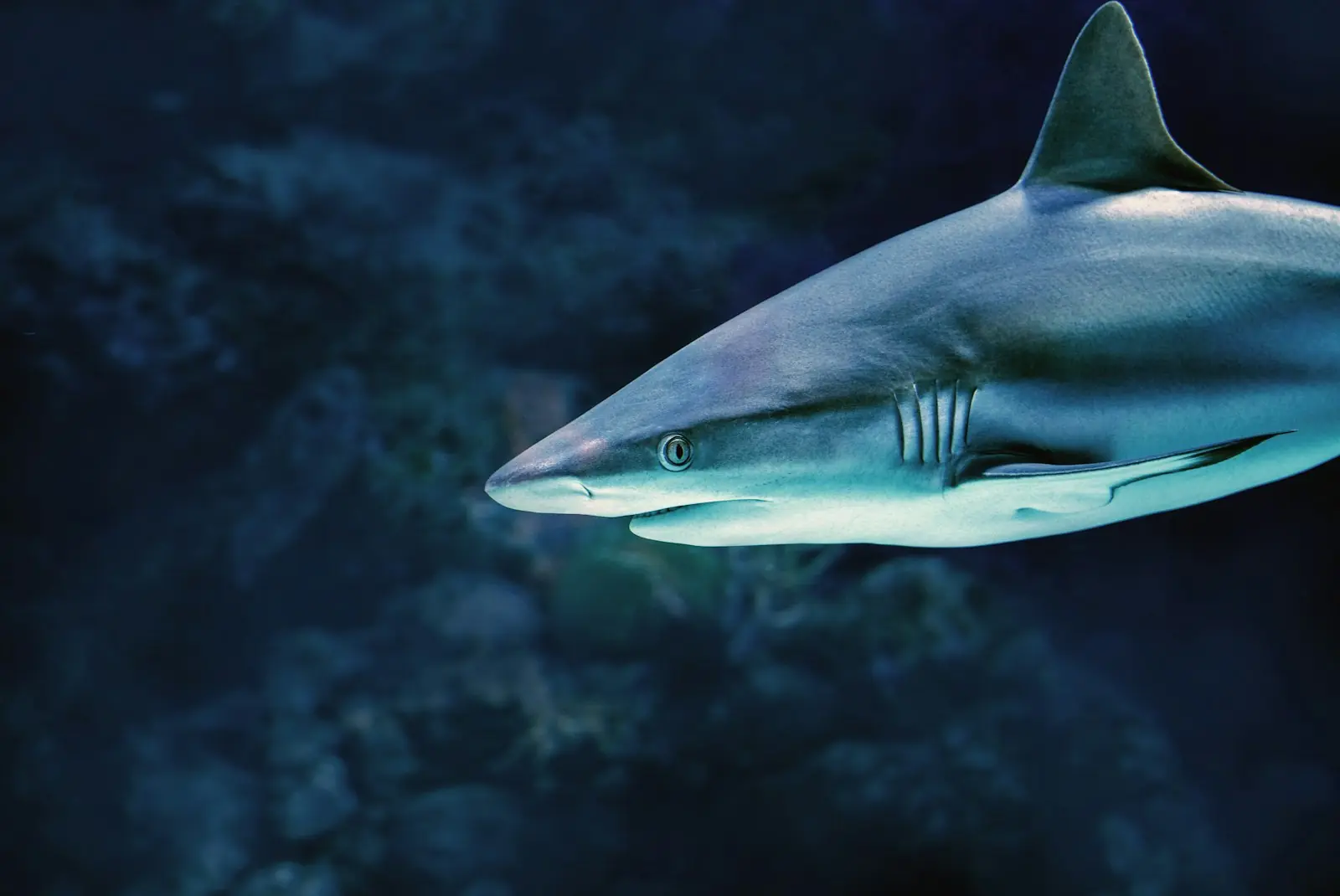
Wildlife like manta rays, hammerheads and whale sharks is always seasonal and never guaranteed, even at the best sites in the best months.
They share the same dive sites.
Short answer: they share the same dive sites. Your choice is more about surface life.
| Island | Dive Access | Vibe | Best For |
|---|---|---|---|
| Gili Trawangan | Full access to all Gili sites by boat | Lively, more nightlife and restaurants | Groups, solo travellers, course students who like energy |
| Gili Air | Same sites, shorter rides to east/north reefs | Chilled, village feel, good mix of cafés and quiet | Couples, beginners, macro-curious divers |
| Gili Meno | Easy access to Meno Wall, Bounty, Turtle Heaven | Very quiet, limited nightlife | Honeymooners, photographers, people who want calm |
Beginner vs Advanced Diving in the Gili Islands

-
Can Beginners Dive the Gilis?
Yes. The Gili Islands are one of Indonesia’s most beginner‑friendly dive areas.
- Discover Scuba Diving (try dives): shallow, sandy sites with gentle slopes and easy entries.
- Open Water Diver courses: calm conditions make skills training less stressful than in high‑current areas.
- Snorkelers: can see turtles and reef life from the surface at certain sites, though diver–snorkeler sharing is always planned safely.
-
Where Advanced Divers Fit In
If you’re already Advanced Open Water or equivalent, the Gilis give you:
- Deeper reefs like Deep Turbo and the deeper sides of some slopes (within recreational limits).
- Drift dives with varied currents – good practice before tackling Komodo or Raja Ampat.
- Night dives on walls and reefs around Meno and Trawangan.
If you’re specifically chasing serious current, cold upwellings, mantas and high shark density, you’ll outgrow the Gilis quickly and should be looking at a liveaboard in Komodo or Raja Ampat. We use the Gilis as a training and warm‑up ground for that.
-
Safety, Currents and Certification: Honest Framing
Indonesia has some of the strongest currents in the dive world. The Gili Islands are milder than Komodo or Belongas Bay, but we still treat currents seriously.
- Site choice: we match sites to your certification level and recent experience, not just the card in your wallet.
- Currents: we schedule dives around tides to keep things within safe limits for your group.
- Belongas Bay and The Magnet: hammerhead‑season (around July–September) diving here is advanced only – strong, unpredictable currents, surge and down‑currents possible. We recommend recent experience in drifts and deep dives before you even consider this.
- Komodo currents: also advanced – down‑currents, complex flows and cold upwellings where mantas and sharks like to feed.
Wildlife like manta rays, hammerheads and whale sharks is always seasonal and never guaranteed, even at the best sites in the best months. Any operator promising “guaranteed mantas” or “guaranteed sharks” is selling you marketing, not diving.
-
Courses and Certification in the Gili Islands
The Gilis are a major training hub. As a PADI Instructor, this is how I see them for courses:
- PADI Open Water Diver: very well suited. Calm, warm water and easy boat logistics.
- PADI Advanced Open Water: good for drift, deep and night training before more challenging destinations.
- Specialties: Peak Performance Buoyancy, Deep, Night, Drift and Photography all make sense here.
- Refreshers: if you’re rusty, the Gilis are a smart place to refresh before moving on to Komodo or Raja Ampat.
To discuss specific PADI or SSI course options linked to a broader Indonesian dive itinerary, reach us via plan your trip or WhatsApp at +62 811-3823-875.
Indonesia is much bigger than three coral atolls.
Many divers start with a few days of Gili Islands diving, then realise Indonesia is much bigger than three coral atolls. That’s where our liveaboards come in.
Through Komodo Luxury’s owned fleet – the luxury phinisi vessels Komodo Signature and Komodo Prestige – we operate real dive cruises across:
- Lombok and Sumbawa (including crossings that link to the Gilis)
- Bali–Lombok–Komodo routes, typically starting or ending in Labuan Bajo
- Komodo National Park (manta, sharks, high‑energy currents)
- Raja Ampat (West Papua – coral biodiversity hotspot)
- Eastern Indonesia expeditions on selected departures
These are not Gili‑style easy dives. Komodo and Raja Ampat can involve strong currents, down‑currents, thermoclines and open‑sea conditions. We screen diver experience and certification carefully before confirming advanced itineraries.
Indicative liveaboard pricing (last verified June 2026):
- Shared cabin: roughly USD 350–650 per person per night depending on vessel, season and route.
- Private / charter use: often in the low five‑figure USD range for shorter Komodo charters, higher for Raja Ampat and longer expeditions.
Exact pricing depends on dates, cabin type and itinerary. For a tailored quote, contact us via plan your trip or WhatsApp +62 811-3823-875.
Practicalities: Getting to the Gilis and Planning Your Dives
- Access: fast boats from Bali, local boats from Lombok, or private charters can bring you to Gili T, Air and Meno.
- Dive scheduling: most operators run 2–3 boat departures daily, with night dives on request.
- Equipment: rental gear is widely available; if you’re moving on to liveaboards, start testing and adjusting your own kit here.
- Health & safety: allow ample no‑fly time (minimum 18–24 hours after your last dive) before flights from Lombok or Bali.
If you want your Gili dives structured as part of a bigger Lombok–Komodo–Raja itinerary, we can plan the sequence so your experience level ramps up logically and safely. Reach out via plan your trip or WhatsApp +62 811-3823-875 to discuss options with our team.

FAQs: Gili Islands Diving
Which Gili island is best for diving?
All three Gilis share the same core dive sites by boat. Gili Trawangan is best if you want lively evenings and lots of course options, Gili Air is a balanced, laid-back base with good access to Han’s Reef and Secret Reef, and Gili Meno is ideal if you prefer quiet, with easy access to Meno Wall, Bounty Wreck and Turtle Heaven.
What are the best Gili dive sites?
For most divers, the must-dive sites include Shark Point, Turtle Heaven, Han’s Reef, Meno Wall, Bounty Wreck and Secret Reef. Advanced divers often add deeper sites such as Deep Turbo, conditions permitting. “Best” depends on your level and what you enjoy – turtles, macro, drifts, wrecks or night diving.
Will I see turtles while diving the Gilis?
Turtles are very common around the north Gili sites, especially Turtle Heaven, Shark Point and areas near Meno. On a multi-dive day, most divers do see turtles, often several per dive. They are wild animals, though, so no operator can guarantee a turtle on a specific dive.
Can beginners dive the Gili Islands?
Yes. The Gilis are one of the easiest places in Indonesia for beginners. Calm, warm water and shallow sandy slopes make them ideal for Discover Scuba Diving try dives and full Open Water courses, as long as you dive with a reputable, licensed operator and follow instructor guidance.
Is Gili diving good preparation for Komodo or Raja Ampat?
Yes. The Gilis are ideal for logging relaxed dives, finishing Open Water, and completing Advanced and drift specialties before you take on stronger currents and more complex conditions in Komodo or Raja Ampat. Many of our guests warm up in the Gilis, then join Komodo Luxury’s phinisi liveaboards for the more demanding, high-reward sites further east.

Ready to talk dates and regions?
Tell us where and how you want to dive. We reply on WhatsApp with the right route, season and vessel, and an indicative quote.
Indicative pricing by quote, no obligation. Operated by Komodo Luxury · TripAdvisor Travelers’ Choice 2022–2025.