
Lombok to Komodo Liveaboard: Dive Cruise Itinerary & Sites
A multi-day dive cruise that starts in Lombok or the Gili Islands, crosses Sumbawa, and finishes in Komodo National Park, combining transit-style crossings with world-class reef, manta and current dives.
Lombok to Komodo Liveaboard: What It Actually Is
- Lombok / Gili check dives – sheltered reefs to confirm weighting, buoyancy and current comfort.
- Sumbawa crossings – walls, pinnacles and occasional whale-shark or pelagic encounters (always seasonal, never guaranteed).
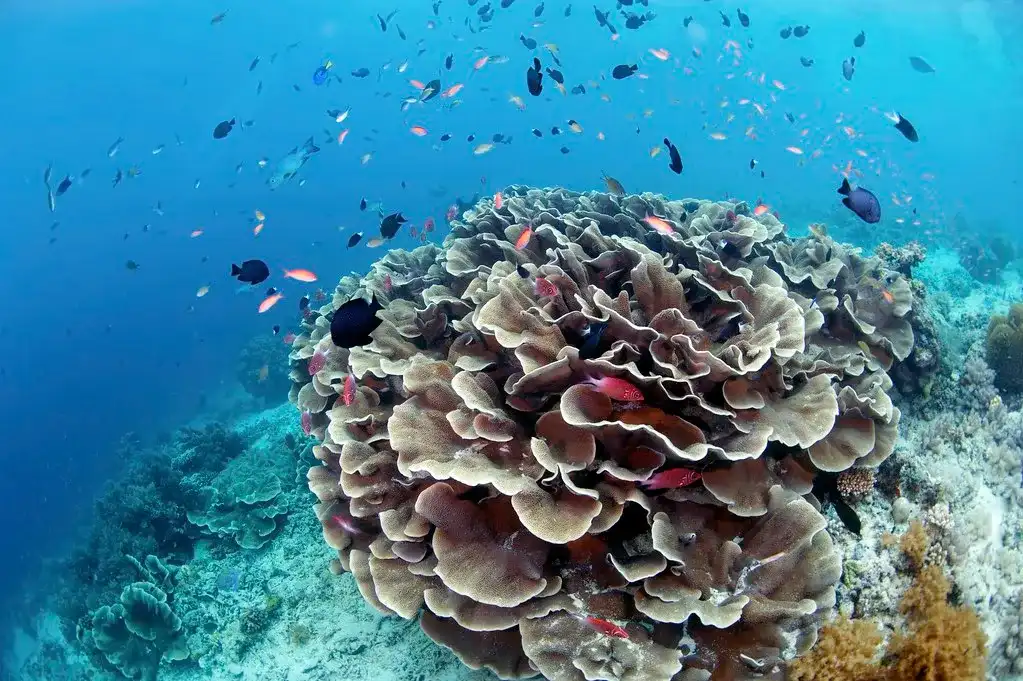
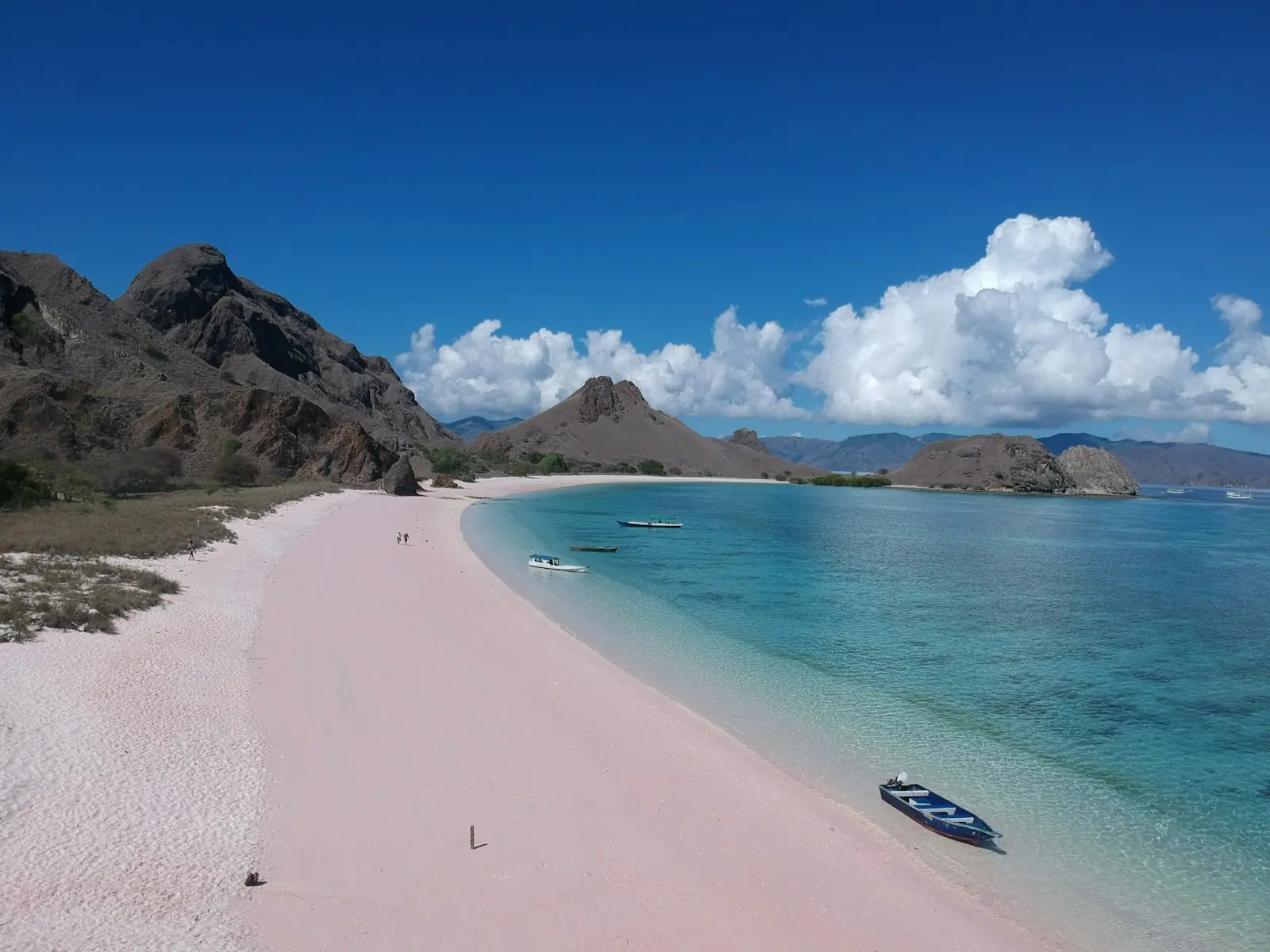
- Komodo National Park – high-energy sites such as Castle Rock, Crystal Rock, Batu Bolong, Manta Point and Manta Alley.
Transit-style crossing (5–8 days)
Compact trip: more sailing hours, fewer repeat dives per site, great if you have limited leave or want a taste of everything.Dive-focused expedition (7–10 days)
Slower pace, extra days inside Komodo, more chances at mantas and iconic north–central–south circuits.Where You Embark and Disembark
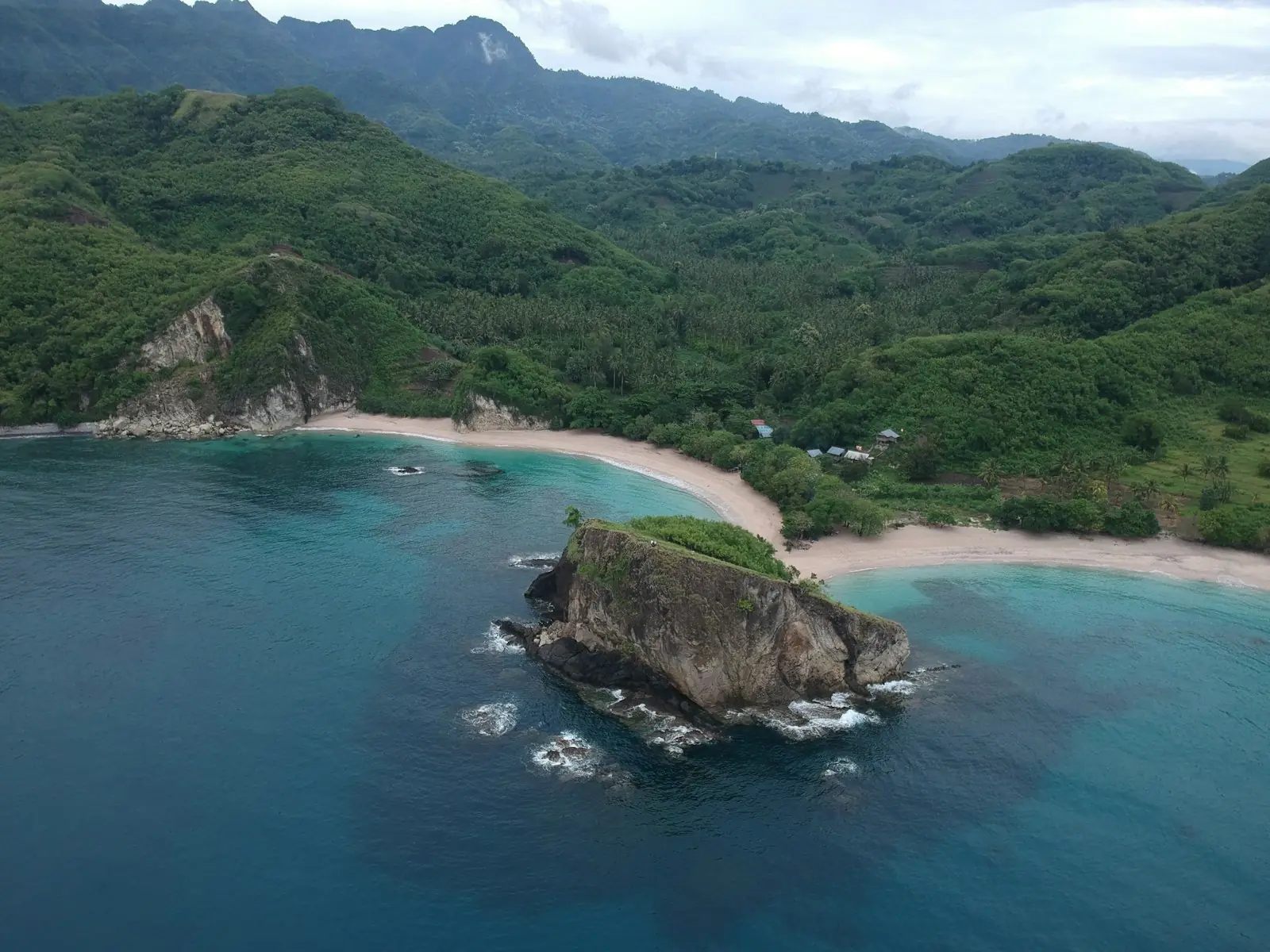
Lombok & Gili Departure Options
Most “Lombok to Komodo” departures we operate use one of these embarkation points:- Gili Trawangan / Gili Air – tender pickup directly from the beach or main jetty, depending on sea state.
- North Lombok (Bangsal / Teluk Nare) – better for private car access; less swell-sensitive than the Gilis.
Labuan Bajo Arrival
Most Lombok–Komodo routes end in Labuan Bajo, Flores. From there you can connect onward to Bali, Jakarta or elsewhere in Indonesia. Some expeditions run the reverse (Labuan Bajo → Lombok); the same sites are used in reverse order, adjusted for tides and currents.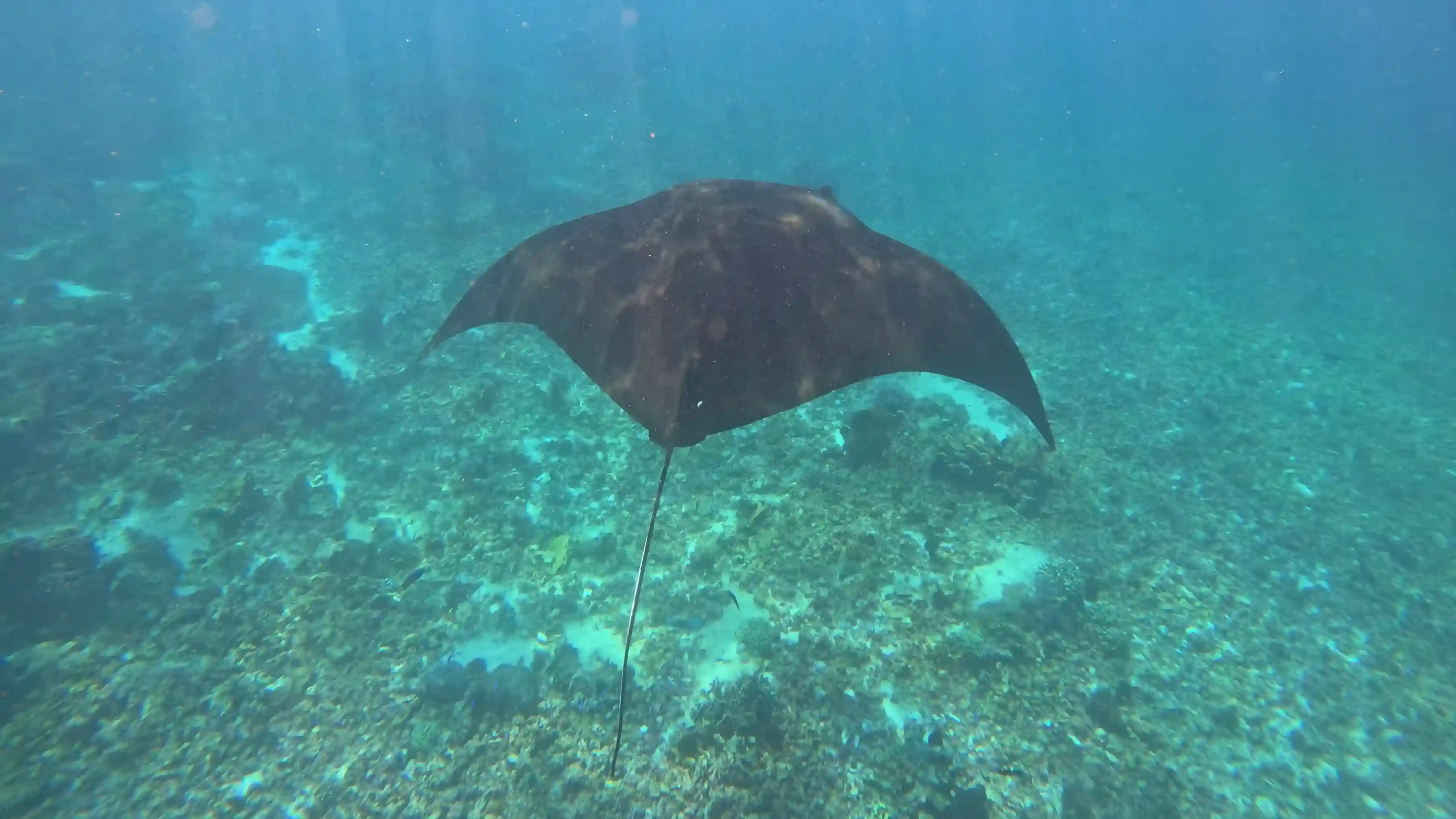
Good to know
- Operator
- Lombok Diving is operated by Komodo Luxury, a real award-winning Indonesian liveaboard operator (TripAdvisor Travelers’ Choice 2022–2025, founded 2015, part of Juara Holding Group Limited).
- Conditions
- Dive-site depths, seasons and conditions are indicative and vary; advanced sites such as Belongas Bay (hammerheads) and the strong-current sites of Komodo need the right certification.
- Marine Life
- Marine life — mantas, hammerheads, whale sharks — is seasonal and wild, and can never be guaranteed.
- Pricing
- Prices are indicative ranges, by quote, and vary by season, vessel, cabin and itinerary.
- Booking
- Enquiries and booking via WhatsApp +62 811-3823-875 and [email protected].
When to go.
We primarily schedule Lombok–Komodo departures in the April–November window. That aligns with the drier season in Komodo and more reliable crossings across Sumbawa.
| Month | Typical Conditions | Why Choose This Period |
|---|---|---|
| April–June | Generally good visibility, moderate currents, cooler water starting in Komodo south. | Balanced conditions; good time for a first advanced-friendly crossing. |
| July–September | Stronger currents in Komodo; cooler water in the south; often excellent vis in the north. | Best for current-loving advanced divers and those chasing mantas and action-packed reefs. |
| October–November | Transitional; water warms, currents can ease slightly; occasional rain begins later. | Still solid diving, often with fewer boats than peak mid-year holiday months. |
All seasons and conditions above are indicative; actual visibility, water temperature and currents vary year to year and trip to trip.
Who this route is for.
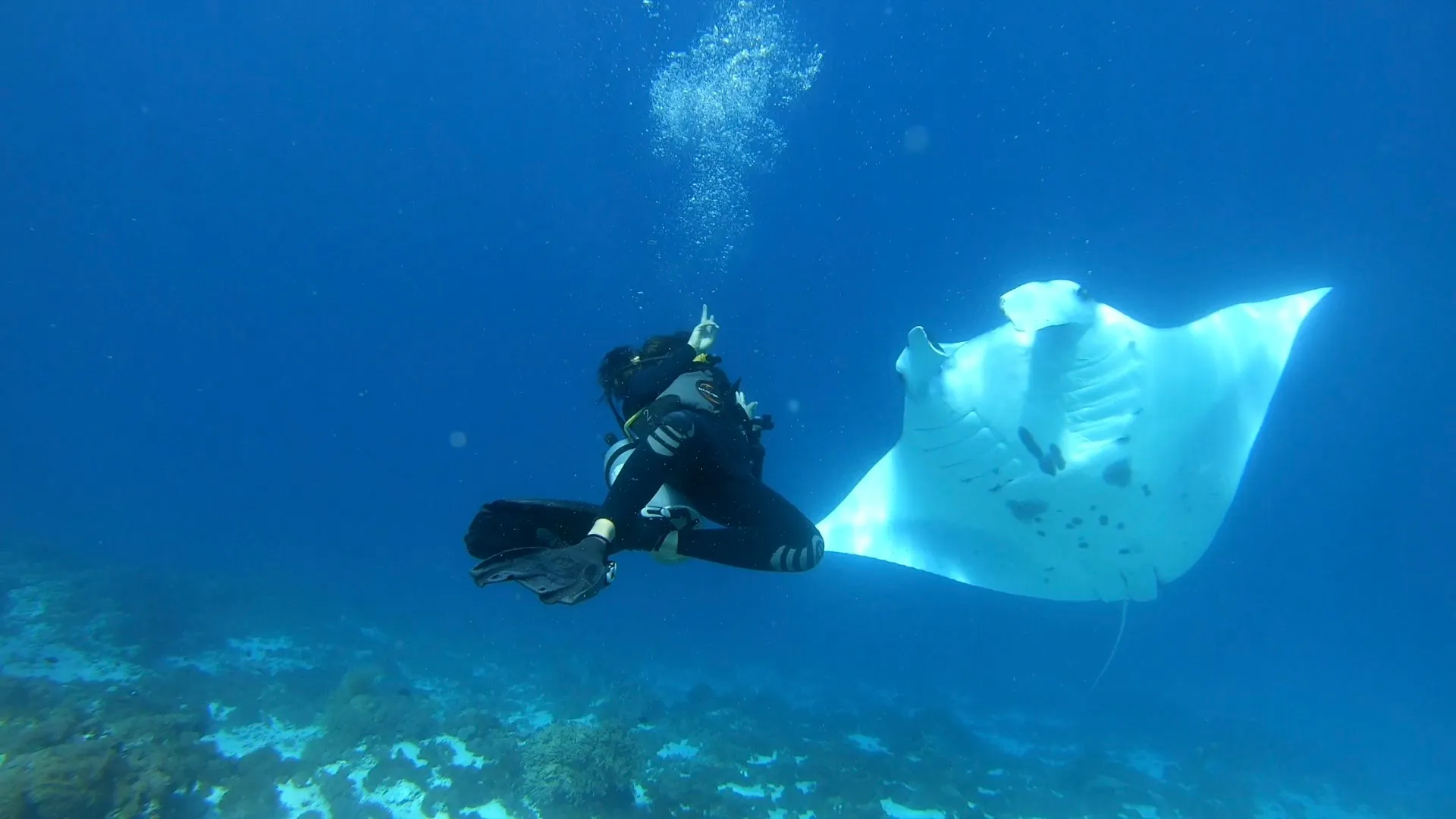
- Drift dives in moderate to strong current.
- Mid-water ascents and safety stops away from a fixed reference line.
- Occasional negative entries and quick descents (used when surface currents run).
Recommended Minimum Certifications
- Advanced Open Water (or equivalent) – strongly recommended for most itineraries.
- Recent diving – at least 10–20 logged dives, with several in current, helps you enjoy the route.
- Deep / Drift training – beneficial for comfort and gas planning around the most dynamic Komodo pinnacles.
Indicative Lombok to Komodo Liveaboard Itinerary (7–9 Days)
Every lombok komodo liveaboard itinerary is built around tides, lunar phase and real-time weather, but the following gives you a realistic picture of how we shape a 7–9 day Lombok–Komodo dive-focused crossing aboard Komodo Signature or Komodo Prestige.
-
Day 1
Gili / North Lombok Check Dives & Overnight Crossing
Embarkation at Gili Trawangan, Gili Air or North Lombok (typically late morning / early afternoon). Boat & safety briefing, cabin allocation, equipment setup on the dive deck. Check dive on a sheltered Lombok or Gili reef – easy coral slope or patch reef, usually mild current. Focus: buoyancy, weighting, SMB use, practice in buddy teams. Sunset or night dive (conditions permitting) at an easy site to get used to procedures. Overnight transit east towards Sumbawa.
-
Day 2
Sumbawa Reefs & Walls
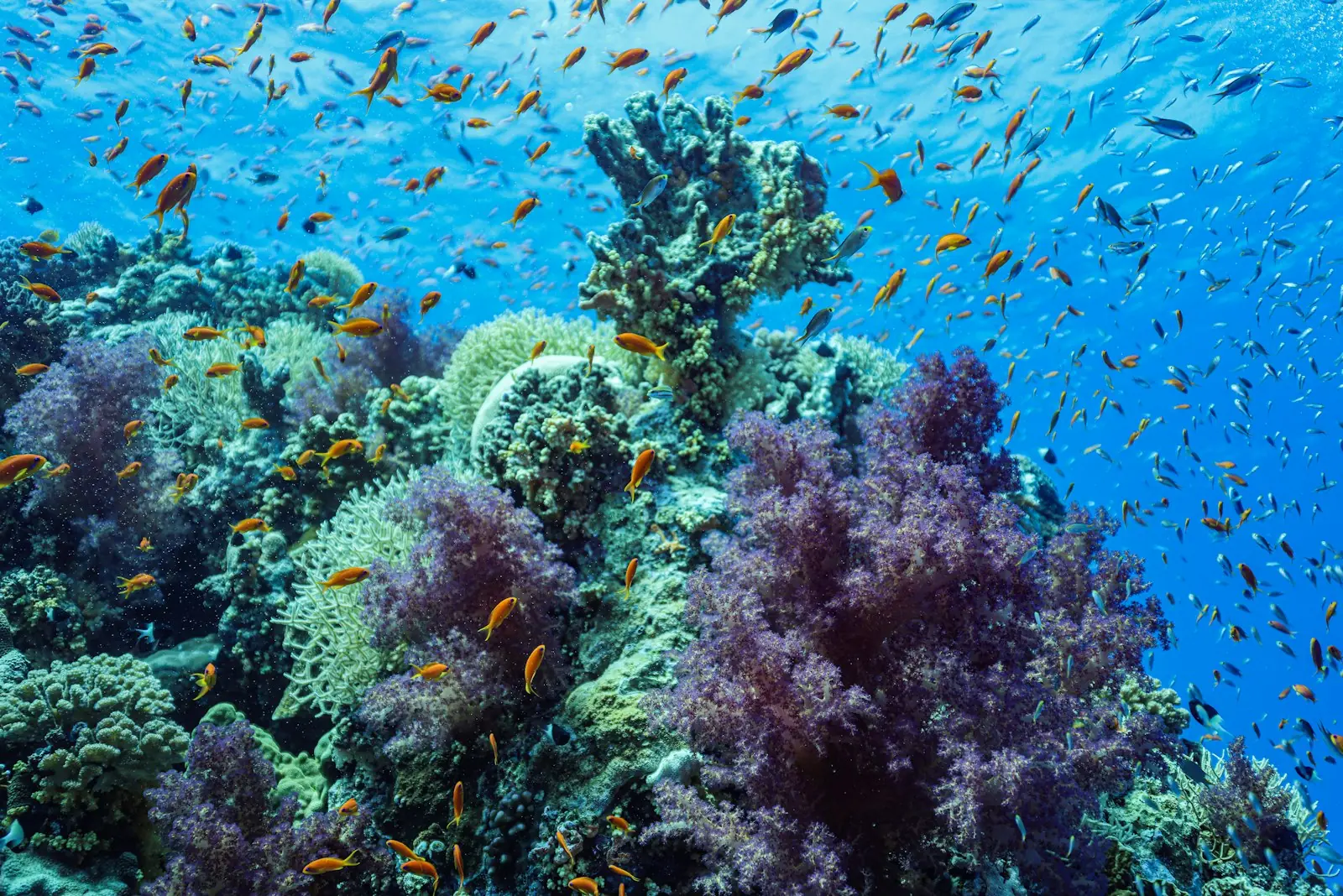
Exact sites depend on the specific route and weather. The aim is usually a mix of walls, slopes and potential pelagic passes. Morning reef or wall: soft and hard corals, reef fish, occasional turtles and reef sharks. Second and third dives: different sites along the coast or nearby islands, occasionally with gentle drift. Possible night dive on a sheltered reef – critter hunting and macro for those keen. Some longer itineraries add extra Sumbawa dives or a coastal village visit if the schedule allows.
-
Day 3
Entering Komodo National Park (North Sector)
By now we aim to be approaching the northern part of Komodo National Park. Typical plan (subject to tides and group level):• Check current conditions at exposed pinnacles. If suitable, we may plan for:• Castle Rock / Crystal Rock area* – classic Komodo current-swept seamounts with schooling fish, reef sharks, and occasional pelagic visitors.*Site selection and timing vary by tide; only scheduled when current and group competency align.• Alternate sites with more moderate current if needed; even “plan B” reefs up here are rich, fishy dives.Dive profiles are kept conservative, with clear briefing on current lines, shelter zones and signaling procedures.
-
Day 4
Central Komodo Highlights (Including Batu Bolong Area)
Central Komodo offers some of the richest reefs in Indonesia. A typical day here might include:• Morning dive on a coral-rich pinnacle or slope with dense fish life and good coral cover.• Midday or afternoon dive at Batu Bolong area* – famous for extremely healthy coral and fish biomass, but also known for strong currents and washing-machine effects at certain tides.*We only approach the most exposed sectors when tide and experience allow; portions of the reef are reserved for advanced groups.• Third dive on a nearby, more sheltered reef or sand/rubble site, sometimes offered as a night dive if conditions are calm.Macro photographers enjoy the slopes and rubble patches; wide-angle shooters usually focus on the big reef structures and schooling fish.
-
Day 5
Manta-Focused Dives (North or Central, Depending on Season)
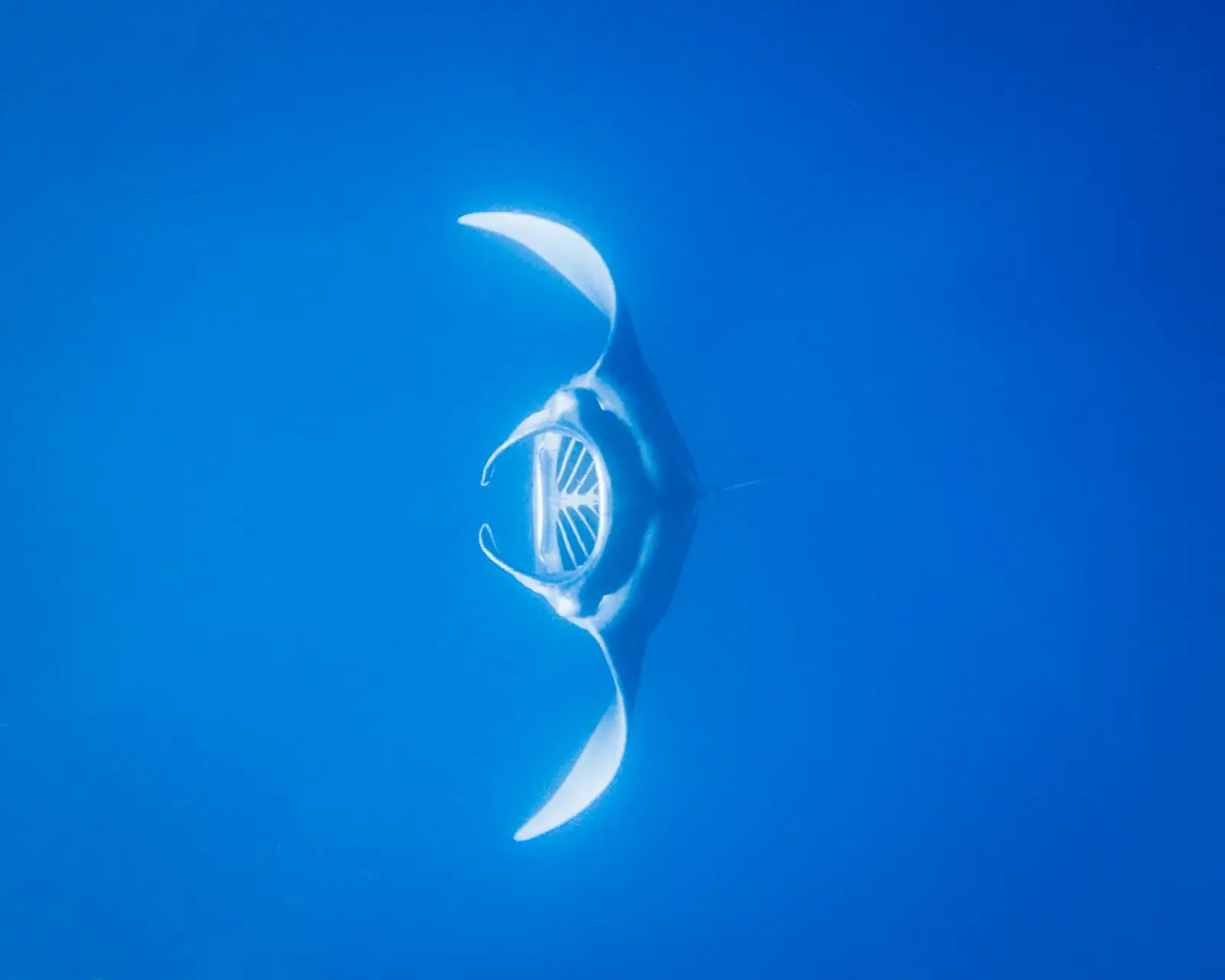
We time at least one day around manta cleaning or feeding stations, depending on where the animals are being seen that week. Drift dives over sandy channels where mantas often pass by. Stationary observation near known cleaning areas, keeping respectful distance and following park guidelines. Manta rays are wild, migratory animals. Even in the right season with ideal plankton conditions, sightings are never guaranteed; we plan for chances, not promises.
-
Day 6
South Komodo / Manta Alley & Cold-Water Reefs (Longer Itineraries)
On 8–10 day itineraries we aim to push further south, weather and swell permitting. This can include:• Manta Alley area* – known for manta encounters in cooler, nutrient-rich water, often with lower visibility but intense life.*Access depends on swell and wind; we may substitute with alternate southern or central sites if conditions are marginal.• Cruising the dramatic southern coastline, with the option of sheltered bay dives featuring rich invertebrate life.Be prepared for noticeably cooler temperatures in the south; a thicker wetsuit or hooded vest is recommended during certain months.
-
Day 7
Flexible “Best-Of” Day & Exit Towards Labuan Bajo
The final full dive day is often run as a “best-of” based on the week’s conditions and guest feedback. Repeat of a favorite site in central Komodo. Additional manta or reef dives if conditions are ideal. Final relaxed macro or easy reef dive to off-gas before flying. By late afternoon, we usually begin the final transit towards Labuan Bajo, aiming for a calm anchorage.
-
Day 8
Disembarkation in Labuan Bajo
No diving (to respect standard no-fly intervals). Breakfast, packing, and transfer to Labuan Bajo harbor or airport.
Shorter 5–6 day itineraries compress this pattern by reducing Sumbawa stops or south Komodo time; longer 9–10 day trips may include more north/south repeats or additional lesser-dived sites.
Komodo is famous for current, and it deserves respect.

Safety, Currents & How We Plan Dives
- Park tide tables and local current knowledge.
- Wind, swell and visibility reports.
- The mix of certifications and comfort levels on board.
How We Manage Advanced Sites
- Detailed briefings – we explain current direction, lee areas, hand signals and emergency plans before every dive.
- Group separation – more advanced groups may tackle the most exposed pinnacles; others dive nearby, more sheltered reefs.
- Guide ratios – we keep ratios low in strong-current areas to maintain control and communication.
- Abort-first mindset – if current or surface chop intensifies beyond our comfort threshold, we change the plan or cancel the dive.
Life On Board Komodo Signature & Komodo Prestige
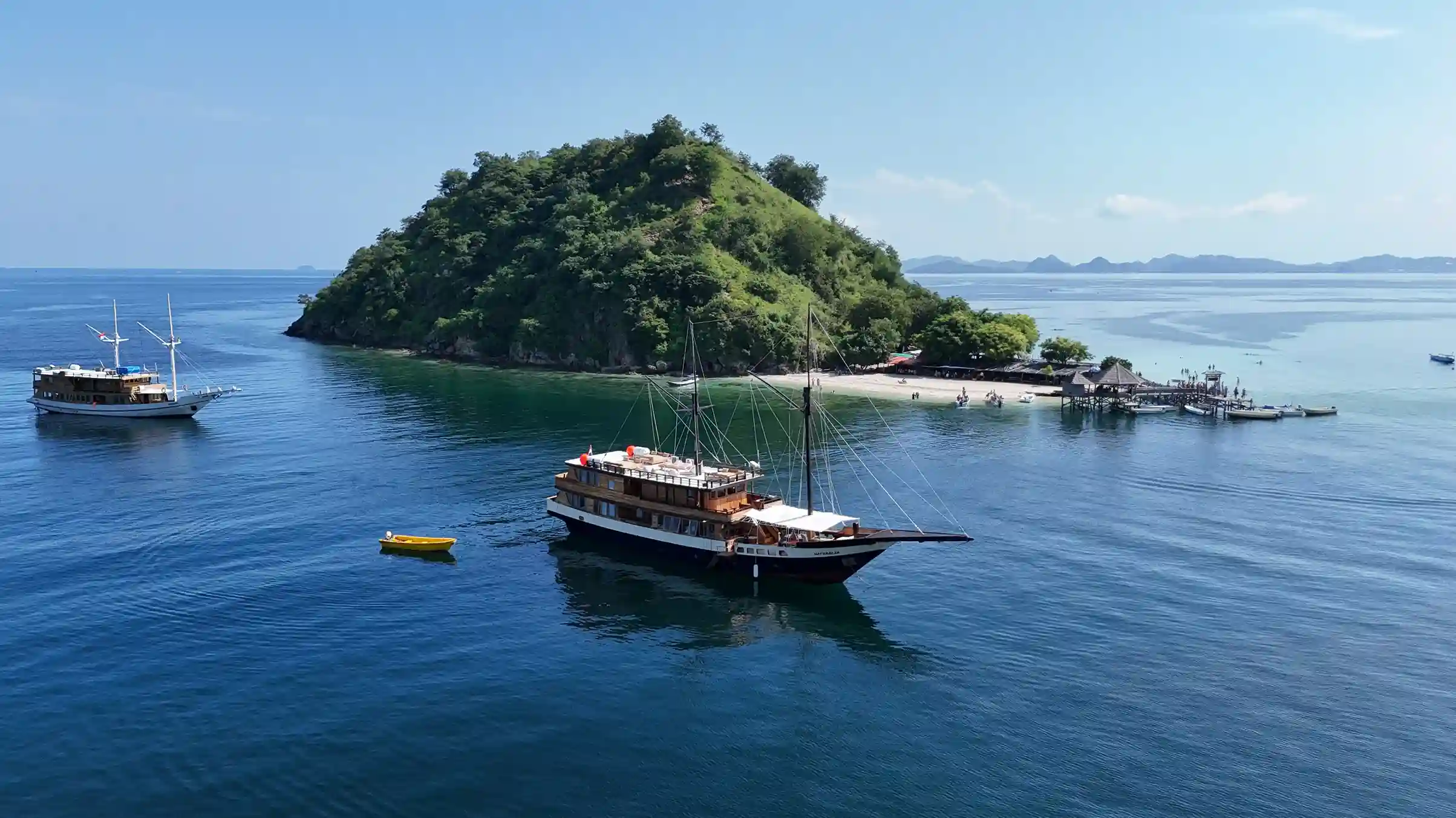
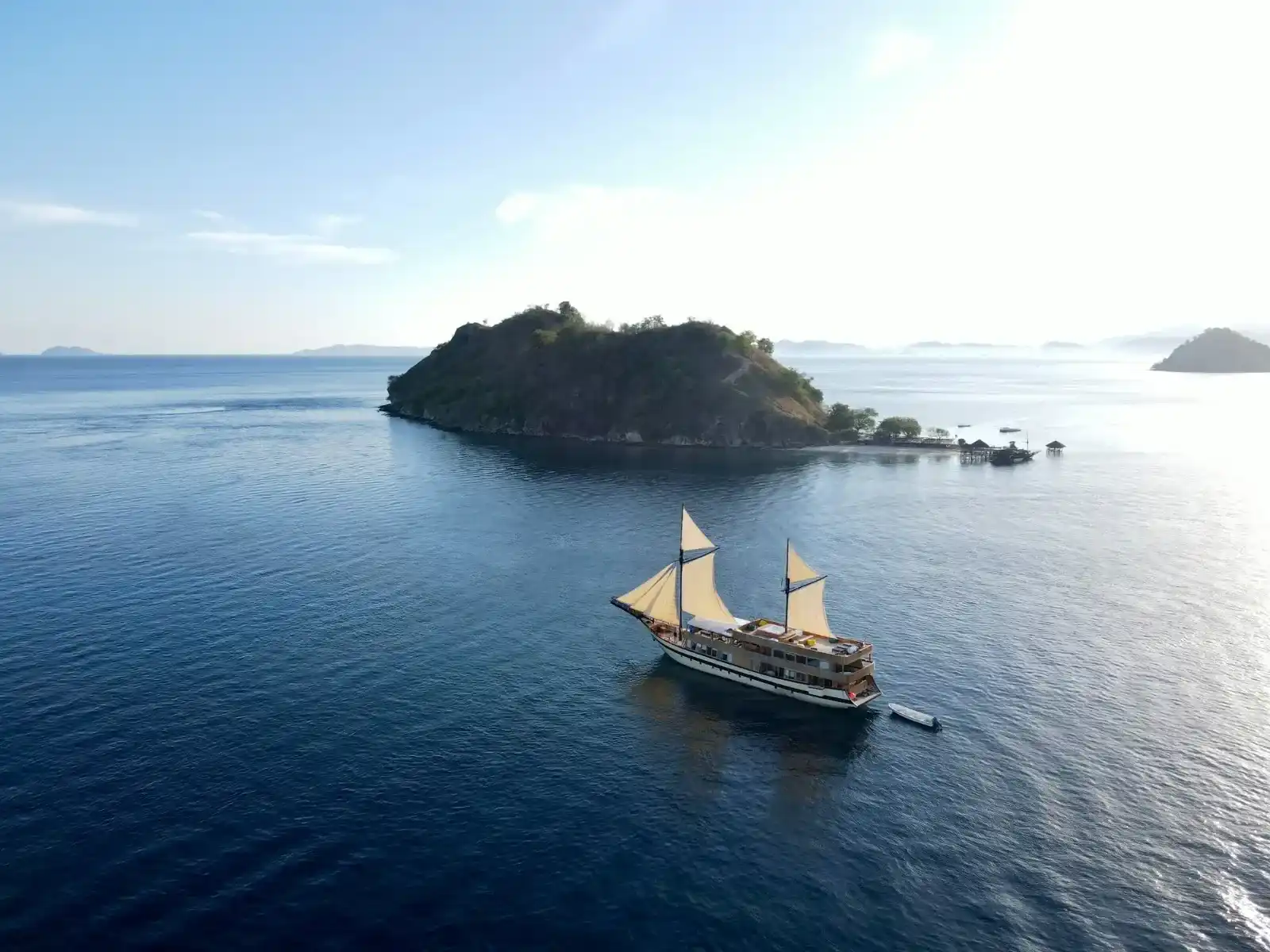
Both Komodo Signature and Komodo Prestige are traditional wooden Indonesian phinisi, refitted as modern dive liveaboards. While cabin layouts differ, you can generally expect:- Comfortable ensuite cabins with air-conditioning.
- Dedicated dive deck with individual stations, rinse tanks and gear storage.
- Camera facilities such as rinse areas and work space, varying slightly by vessel.
- Multiple shaded and open-air lounges for briefings, meals and relaxation.
Daily Rhythm
- Early light breakfast, followed by Dive 1.
- Full breakfast, surface interval, Dive 2.
- Lunch, rest, Dive 3 where schedule allows.
- Optional sunset or night dive on selected days, subject to conditions and itinerary length.
Pricing: What a Lombok–Komodo Liveaboard Costs
Because each lombok komodo dive cruise differs in length, season and vessel, we quote individually rather than publish fixed prices. As a very rough guide (last verified June 2026):• Shorter crossings (5–6 days) – from roughly mid– to upper–three figures USD per night per diver, depending on cabin type and season.• Longer expeditions (7–10 days) – often from low four figures USD per trip and up, again varying by dates, vessel and cabin category.
Prices Typically Include
- Cabin accommodation with meals and snacks.
- Diving (tanks, weights, guide), park fees where specified in the quote.
- Tea, coffee and drinking water.
They Generally Exclude
- Rental gear (BCD, regulator, computer, wetsuit, etc.).
- Alcoholic drinks and premium soft drinks.
- Travel insurance and flights.
- Optional private guides or specialty courses undertaken onboard.
Lombok–Komodo vs Bali–Komodo vs Raja Ampat
| Route | Ideal For | Typical Duration | Notes |
|---|---|---|---|
| Lombok → Komodo | Divers already in Lombok/Gilis wanting a crossing adventure and Komodo highlights. | 5–10 days | Balanced mix of Gili, Sumbawa and Komodo; advanced-friendly. |
| Bali → Komodo | Travelers flying into Bali first, combining topside time with a liveaboard. | 6–10 days | Similar Sumbawa/Komodo content, different embarkation logistics. |
| Labuan Bajo ↔ Komodo | Those short on time wanting maximum dives inside the park. | 3–8 days | Less crossing; more repeats of signature Komodo sites. |
| Raja Ampat | Intermediate–advanced divers seeking coral and fish diversity at global scale. | 7–12+ days | Seasonal (typically opposite to Komodo), separate flight logistics. |
You can technically do a Lombok–Komodo crossing in around 5 days, but that compresses Sumbawa and may reduce time at key Komodo sites. My general guidance:• 5–6 days – workable if your priority is “reach Komodo, get a taste, continue traveling,” and you already have solid current experience.• 7–8 days – sweet spot for many divers: enough time to sample north, central and often south Komodo, plus Sumbawa.• 9–10 days – best for photographers and those who want repeats of favorite sites, more chances for mantas, and more flexible weather backup options.

FAQs: Lombok to Komodo Liveaboard
How many days do I need for a Lombok to Komodo liveaboard?
When are the best months for a Lombok to Komodo liveaboard?
What will I see on a Lombok to Komodo diving cruise?
What certification do I need for a Lombok to Komodo liveaboard itinerary?
How do I book a Lombok to Komodo dive cruise with Komodo Luxury?

Ready to talk dates and regions?
Tell us where and how you want to dive. We reply on WhatsApp with the right route, season and vessel, and an indicative quote.
Indicative pricing by quote, no obligation. Operated by Komodo Luxury · TripAdvisor Travelers’ Choice 2022–2025.