
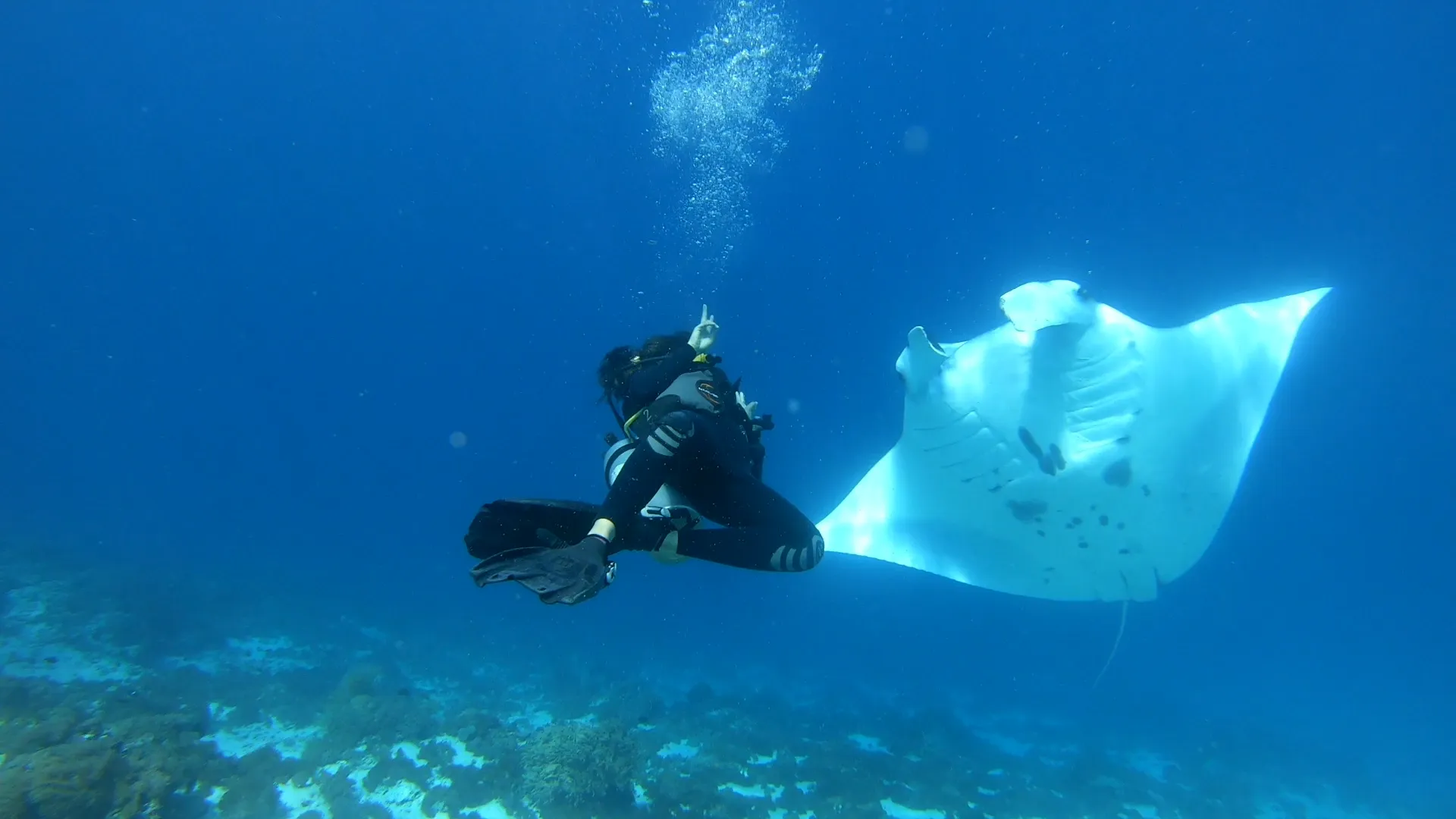
Diving in Komodo: Dive Sites, Currents & Manta Season
Komodo diving means drift dives over hard coral gardens, seamounts loaded with fish, and manta cleaning stations swept by serious currents. It is some of Indonesia’s most rewarding diving — and also some of its most challenging if you pick the advanced sites.
Current, biomass and variety.
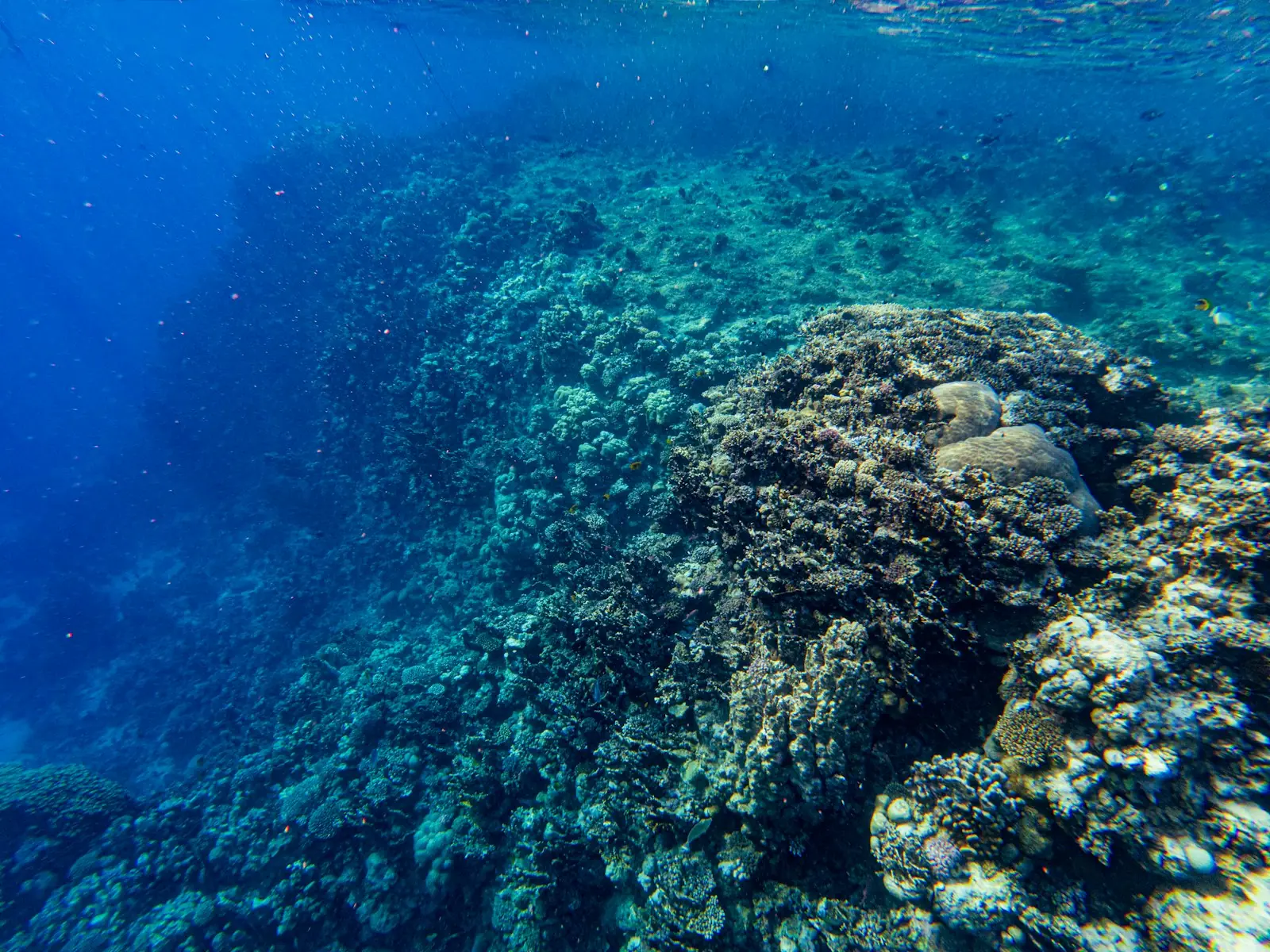
- Current – The park sits in the main channel between the Indian and Pacific Oceans. Water moves hard. That brings nutrients, thermoclines, and serious drift potential. It also means you can’t just “wing it” because you dived in Thailand once.
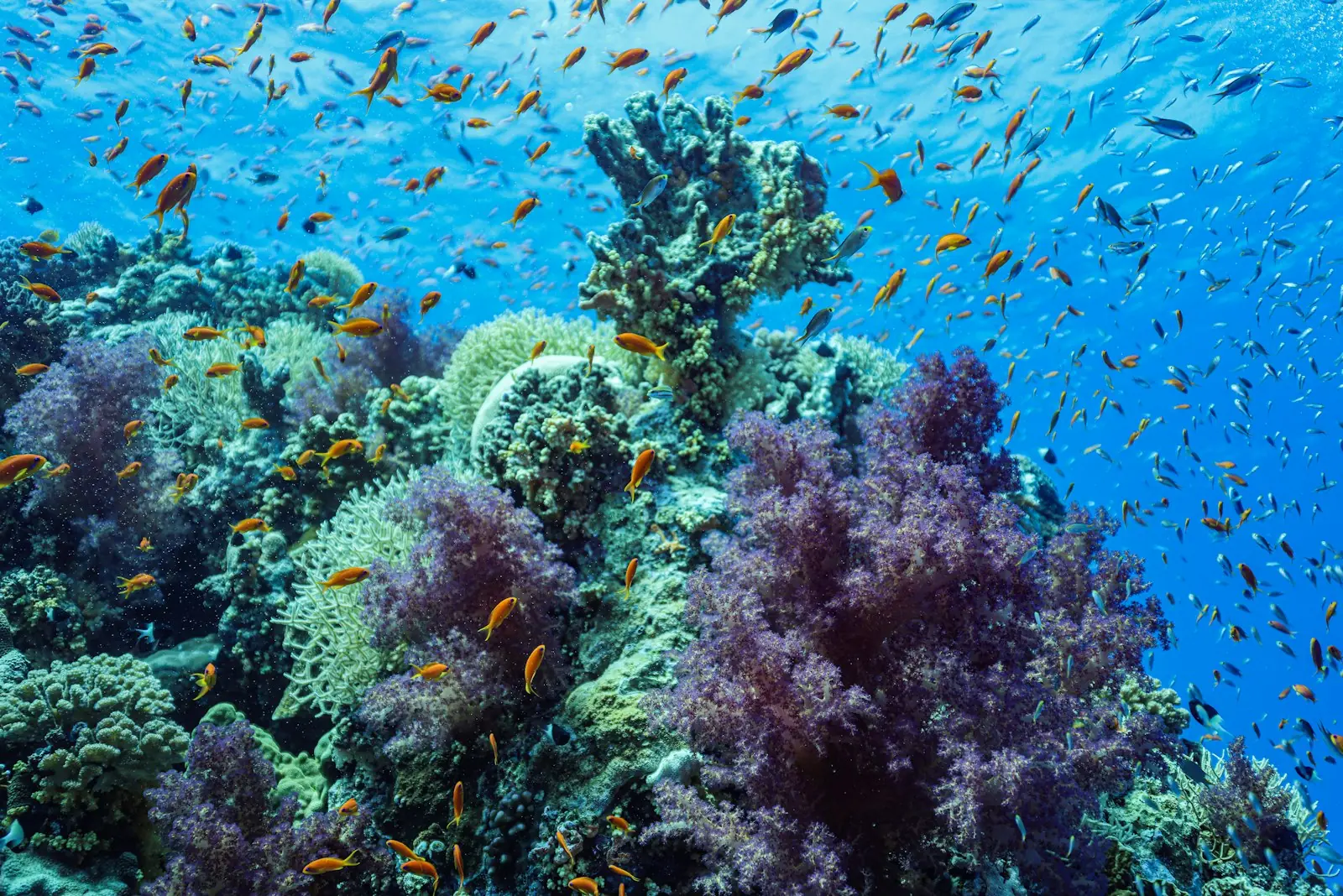
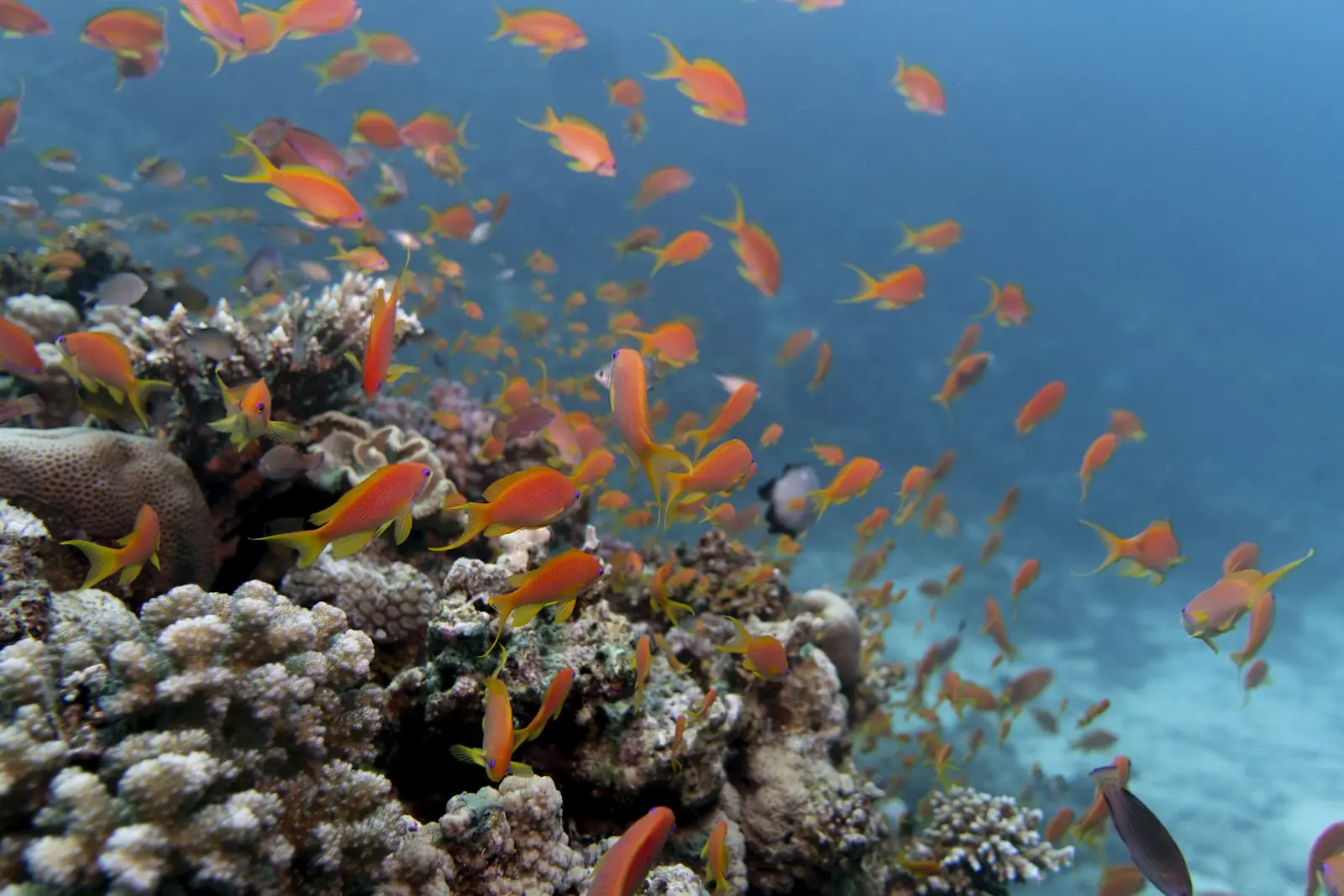
- Biomass – You get proper Indo-Pacific life density: swirling fusiliers, jacks, surgeonfish, anthias clouds, plus reef sharks and turtles on many dives.
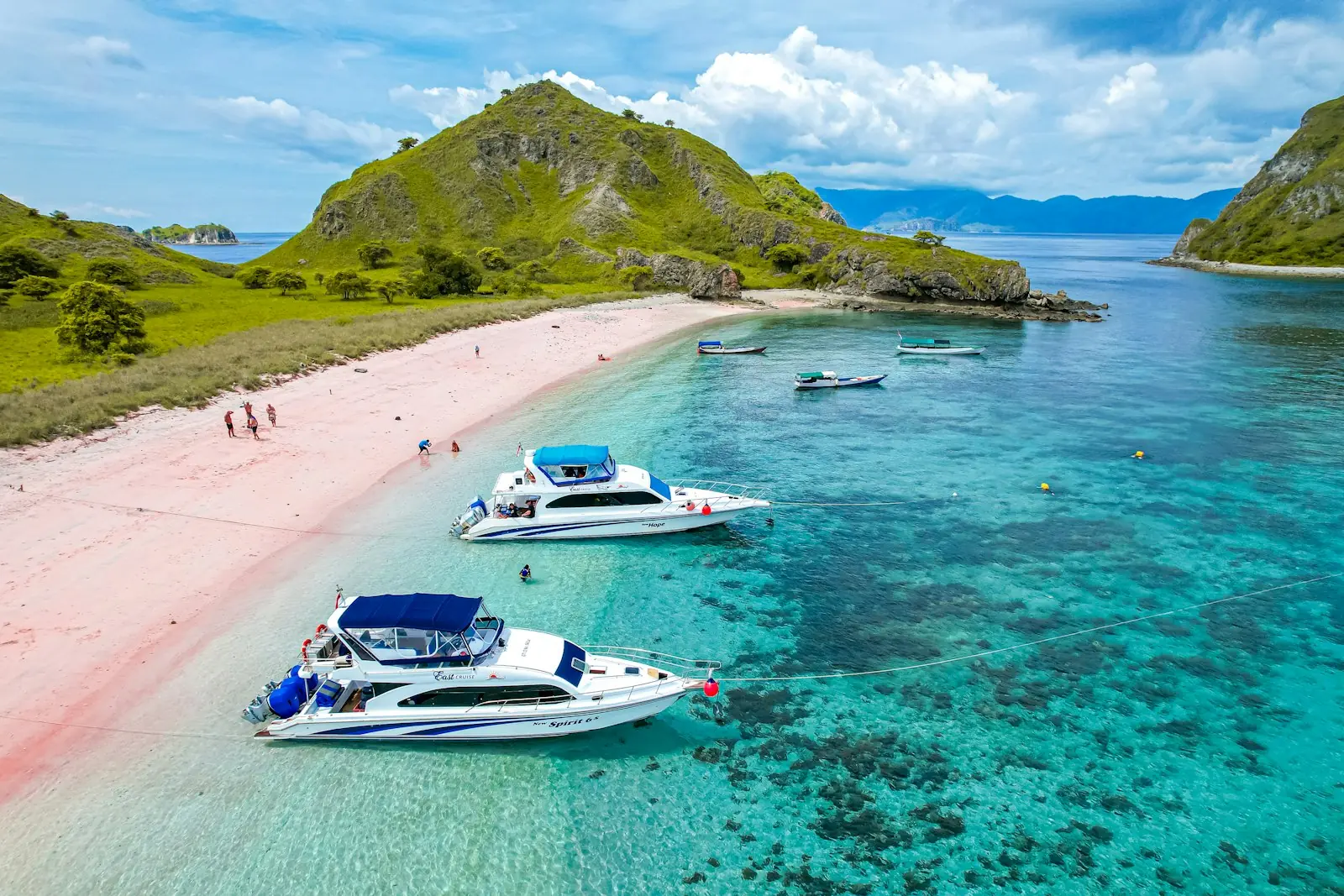
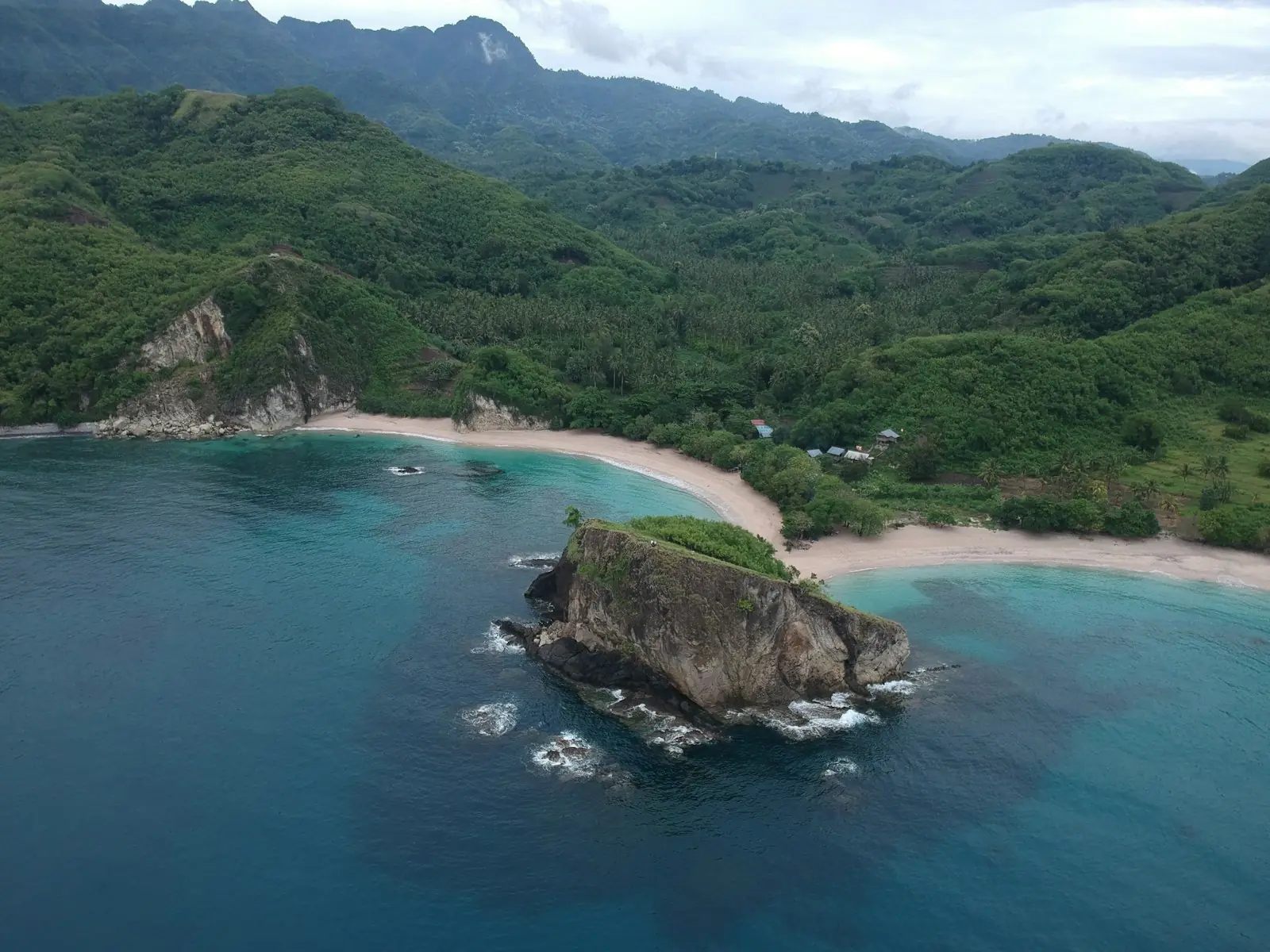
- Variety – North Komodo offers clear, warmer water and high-energy seamounts. The central zone mixes reefs and drifts. The south gets cooler, greener water, rich macro, and key manta spots.
- North Komodo – Often clearer and a bit warmer. Many of the famous high-energy Komodo dive sites are here: Batu Bolong, Castle Rock, Crystal Rock. Expect stronger currents and more pelagic action.
- Central Komodo – Mix of reefs and drifts (Tatawa area and surrounding sites). Usually moderate currents, good corals, relaxed cruising with the occasional fast ride.
- South Komodo – Cooler, nutrient-rich water. Manta Alley and Cannibal Rock are the headline names. Good for manta activity and serious macro, but visibility can be lower.
Good to know
- Operator
- Lombok Diving is operated by Komodo Luxury, a real award-winning Indonesian liveaboard operator (TripAdvisor Travelers’ Choice 2022–2025, founded 2015, part of Juara Holding Group Limited).
- Conditions
- Dive-site depths, seasons and conditions are indicative and vary; advanced sites such as Belongas Bay (hammerheads) and the strong-current sites of Komodo need the right certification.
- Marine Life
- Marine life — mantas, hammerheads, whale sharks — is seasonal and wild, and can never be guaranteed.
- Pricing
- Prices are indicative ranges, by quote, and vary by season, vessel, cabin and itinerary.
- Booking
- Enquiries and booking via WhatsApp +62 811-3823-875 and [email protected].
Komodo Dive Sites Overview: North, Central & South
Indicative only — your captain and cruise director will pick sites based on tides, wind and your team’s experience.
| Dive Site | Area | Typical Style | Experience Level | What It’s Known For |
|---|---|---|---|---|
| Batu Bolong | Central / North fringe | Steep reef, current-affected | Advanced | Very fishy reef, hard corals, reef sharks, turtles |
| Castle Rock | North | Seamount, exposed | Advanced | Schooling fish, trevally, sharks in current |
| Crystal Rock | North | Rocky pinnacle, split currents | Advanced | Pelagics, reef life, occasional mantas |
| Manta Alley | South | Cleaning stations & channels | Advanced-friendly | Komodo manta diving, cleaning and feeding activity |
| Cannibal Rock | South | Reef & slope | Intermediate / Advanced | Macro life, soft corals, critters |
| Tatawa (and Tatawa Besar area) | Central | Drift along coral slopes | Intermediate | Gentler drifts, coral gardens, schooling reef fish |
Each of these dives can feel very different day to day. The same site that is a calm, easy cruise on one tide can become a fast ride with downcurrents on another. That is why in Komodo, the operator and guide matter as much as the name on the map.
Site-by-Site: What to Expect Underwater
-
Batu Bolong: High-Energy Coral Pillar
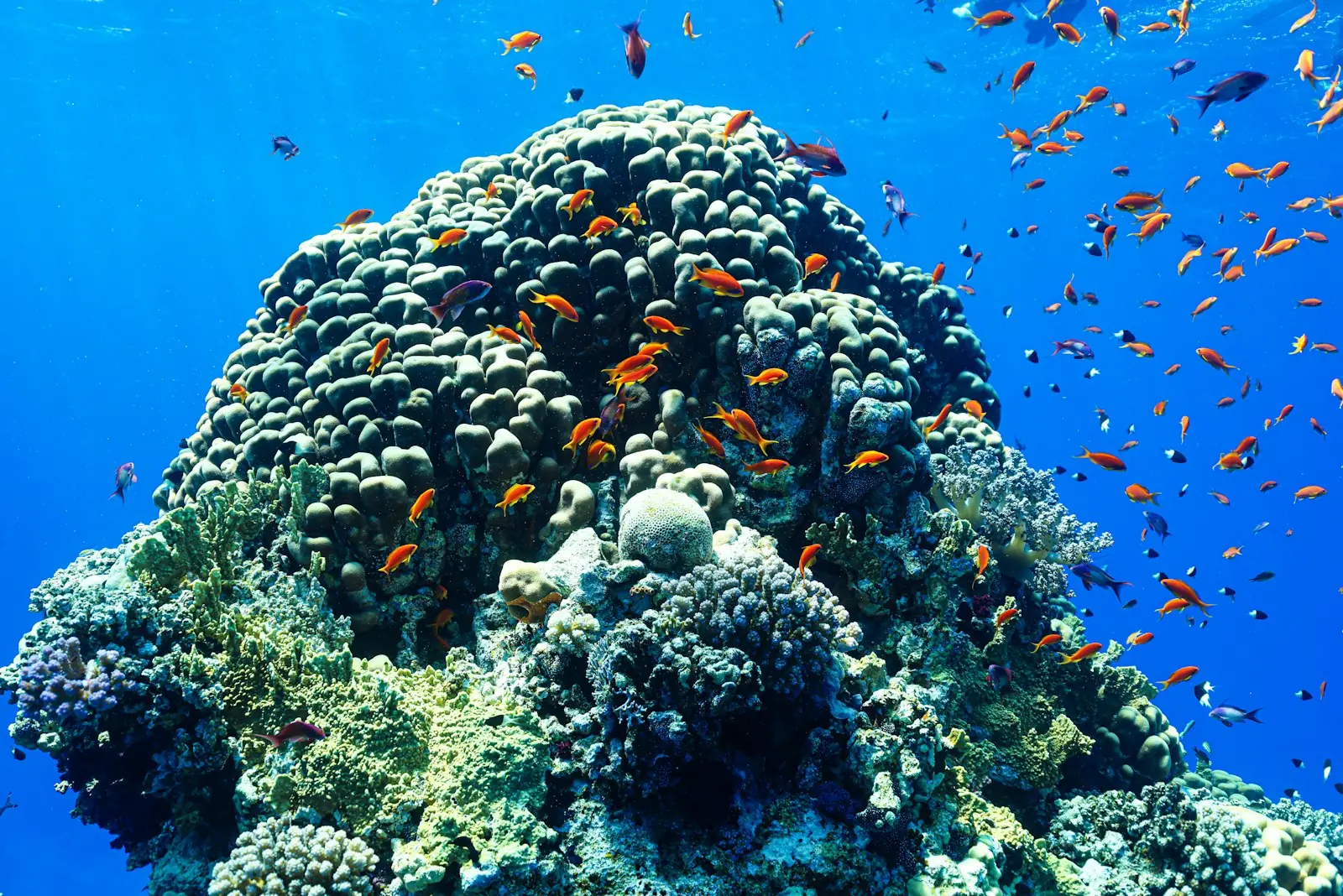
Batu Bolong is a rock that sticks out of the surface with a steep reef dropping away on all sides. It is famous for dense hard coral coverage and constant fish traffic.- Diving style: You’ll usually descend in the lee side where current is more manageable and work your way around, staying within a safe contour and avoiding the edges where downcurrents can be strong.
- Typical marine life: Anthias, fusiliers, sweetlips, surgeonfish, turtles, plus reef sharks cruising below and sometimes bumphead parrotfish. Big schools of small fish often blanket the upper reef.
- Who it’s for: Realistically, advanced divers with comfortable buoyancy, who can respond calmly to current shifts and stay close to their guide. Not a site for your first post-OW dive.
-
Castle Rock: Seamount in the Flow
Castle Rock is a submerged seamount in north Komodo; on the right tide it’s one of the most exciting komodo dive sites.- Diving style: Usually a negative entry to get down quickly before the current pushes you off the structure. You’ll often hook in or shelter behind the rock, watching the “fish highway” in the blue.
- Typical marine life: Trevally, jacks, schools of fusiliers getting hunted, reef sharks, and dense reef fish populations. On some days, you’ll hang in one spot and watch the show come to you.
- Who it’s for: Advanced divers only. You must be happy with backroll + immediate descent, staying close to your buddy and line. Drift endings are common.
-
Crystal Rock: Split Currents and Changing Conditions
Crystal Rock lies not far from Castle Rock and offers a similar exposed, fishy environment with rocky formations and ridges.- Diving style: Depending on current direction, you might start up-current, hook in to watch pelagic traffic, then drift along the ridges. Good situational awareness is important — currents can split or change mid-dive.
- Typical marine life: Reef sharks, trevally, tunas, big schools of fusiliers and surgeonfish, plus healthy reef life. Occasional manta fly-bys, but it’s not primarily a manta site.
- Who it’s for: Advanced divers comfortable in open water with current and sometimes limited shelter.
-
Manta Alley: Komodo Manta Diving in the South
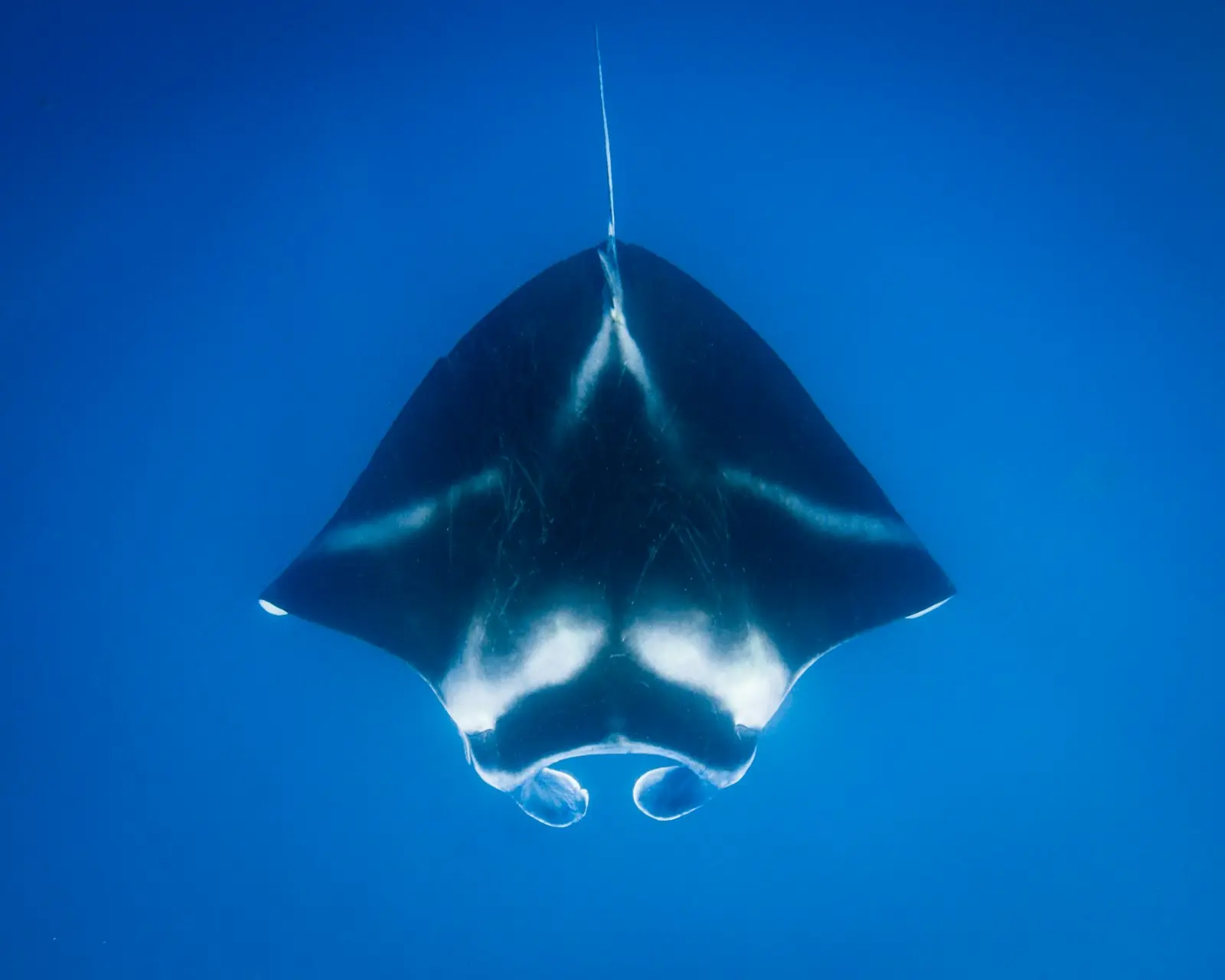
Manta Alley is one of the key komodo manta diving spots, set in the cooler southern part of the park. It’s a series of channels and cleaning stations where mantas often circle.- Diving style: Typically you’ll drop up-current and settle near cleaning stations or glide through the channels, staying low and stable so mantas stay relaxed. The site is current-affected and can be surgy or choppy at the surface.
- Typical marine life: On a good day, multiple manta rays gliding over your head, hovering over bommies to be cleaned. Also reef fish, turtles, and occasional sharks.
- Who it’s for: Advanced-friendly. Strong Advanced Open Water divers with good control in current can enjoy Manta Alley, as long as they follow briefings and stay close to the guide.
-
Cannibal Rock: South Komodo Macro and Soft Corals
Cannibal Rock is in the southern region and is famous for rich macro life and soft corals fed by cooler, plankton-rich water.- Diving style: You’ll explore slopes and mini-walls, taking your time to search for critters. Currents are usually manageable but can still run; visibility is often lower than in the north, but that’s part of why the macro is good.
- Typical marine life: Nudibranchs, crustaceans, frogfish, scorpionfish, sometimes rhinopias and unusual invertebrates. Also a good variety of soft corals, sponges and fans.
- Who it’s for: Strong intermediate to advanced. Good for photographers willing to accept less viz for more life.
-
Tatawa: Central Komodo Drifts and Coral Gardens
“Tatawa” usually refers to Tatawa Besar and surrounding reefs in the central region. These are classic Komodo drifts: coral slopes with plenty of life, less intense than the big northern seamounts.- Diving style: Drift diving. You drop in up-current, descend to a comfortable contour, and cruise along the reef with the current doing the work. Briefings will focus on staying together and following the guide’s depth and line.
- Typical marine life: Healthy soft and hard coral, schooling reef fish, turtles, and occasional pelagic visitors. Relaxing, colourful dives once you’re comfortable with the drift concept.
- Who it’s for: Intermediate divers with basic drift experience or properly guided beginners who already have some open water dives and solid buoyancy.

How strong are they really?
How Currents Work Here
- Tide-driven: Currents are largely driven by tidal exchanges between the Indian and Pacific Oceans. On big moon phases, water moves harder and faster.
- Site-specific: Channels, headlands and pinnacles (like Castle Rock and Crystal Rock) accelerate flow and create up- and downcurrents.
- Depth-dependent: It can be calm on the surface and ripping at 20–30 m, or vice versa.
What It Feels Like in the Water
You may experience:- Gentle drifts – like Tatawa, where you barely kick.
- Moderate current – where you need to kick to hold position near a bommie or hook in.
- Fast rides – especially near channels, where you will be moving quickly but predictably along a contour.
- Downcurrents / upcurrents – localised vertical flows around walls or shoulders. Handled correctly (move away from the wall, establish neutral buoyancy, don’t fight straight up), they are manageable but not for inexperienced divers.

When to plan your trip.
General Manta Patterns
Patterns change with broader ocean conditions, but broadly:- Central / North manta spots tend to have more reliable manta traffic in the dry season months, when visibility is better and conditions are more stable.
- Southern sites like Manta Alley see increases in activity historically around cooler, nutrient-rich periods, often overlapping with mid-year months. However, water temps and plankton levels can vary, and so does manta presence.
Best Overall Season for Komodo Diving
For a combination of reliable sea conditions and good marine life, the main Komodo diving season is typically:- Approx. April to November – This is the period most liveaboards focus on; seas are generally calmer, and visibility is often better in the north and central regions.
- Wind and surface conditions can be rougher.
- Some areas of the park may be less accessible.
- You must be more flexible on itinerary.
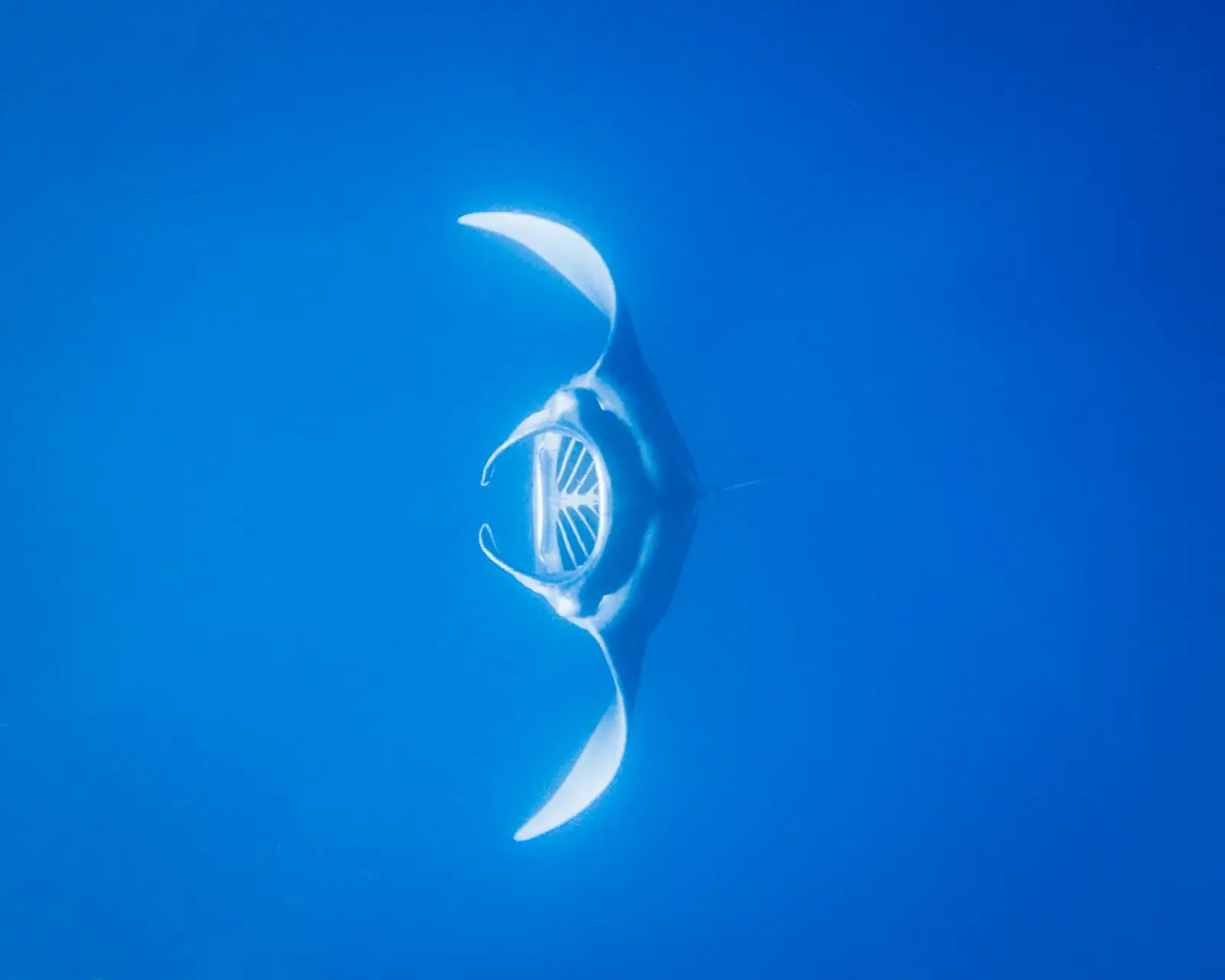
Currents shift with tides and moon, and wildlife is wild: manta rays, hammerheads and whale sharks are never guaranteed.

Who Komodo is actually for.
Minimum for Enjoyable, Safe Diving
- Open Water Diver (or equivalent)
- Realistically best for:
- Central Komodo drifts in mild conditions
- Shallower, protected reefs chosen carefully by your guide
-
Limitations:- You may be excluded from the most current-affected sites (Castle Rock, Crystal Rock, Batu Bolong on strong tides, Manta Alley in rough conditions).
-
Advanced Open Water Diver (or equivalent)
- Realistically best for:
- Full range of typical Komodo dive sites, including many iconic sites, if you also have drift experience and reasonable recent dives.
- Still not automatic:
- A plastic card doesn’t make you ready for negative entries into heavy current. Your actual comfort, buoyancy and recent log history matter.
- Advanced certification + 50+ logged dives, with recent current experience.
- A frank conversation about your comfort level. There is no shame in skipping a site that’s beyond your limits.
How to dive Komodo properly.
-
Timing
Reaching sites like Castle Rock or Manta Alley at the best tidal window is much easier when you’re already anchored nearby.
-
Range
Liveaboards can cover north, central and south in a single itinerary, instead of limiting you to what’s reachable as a day trip.
-
Rhythm
Multiple dives per day (typically up to 3–4) with long surface intervals on board, no daily port shuttles.
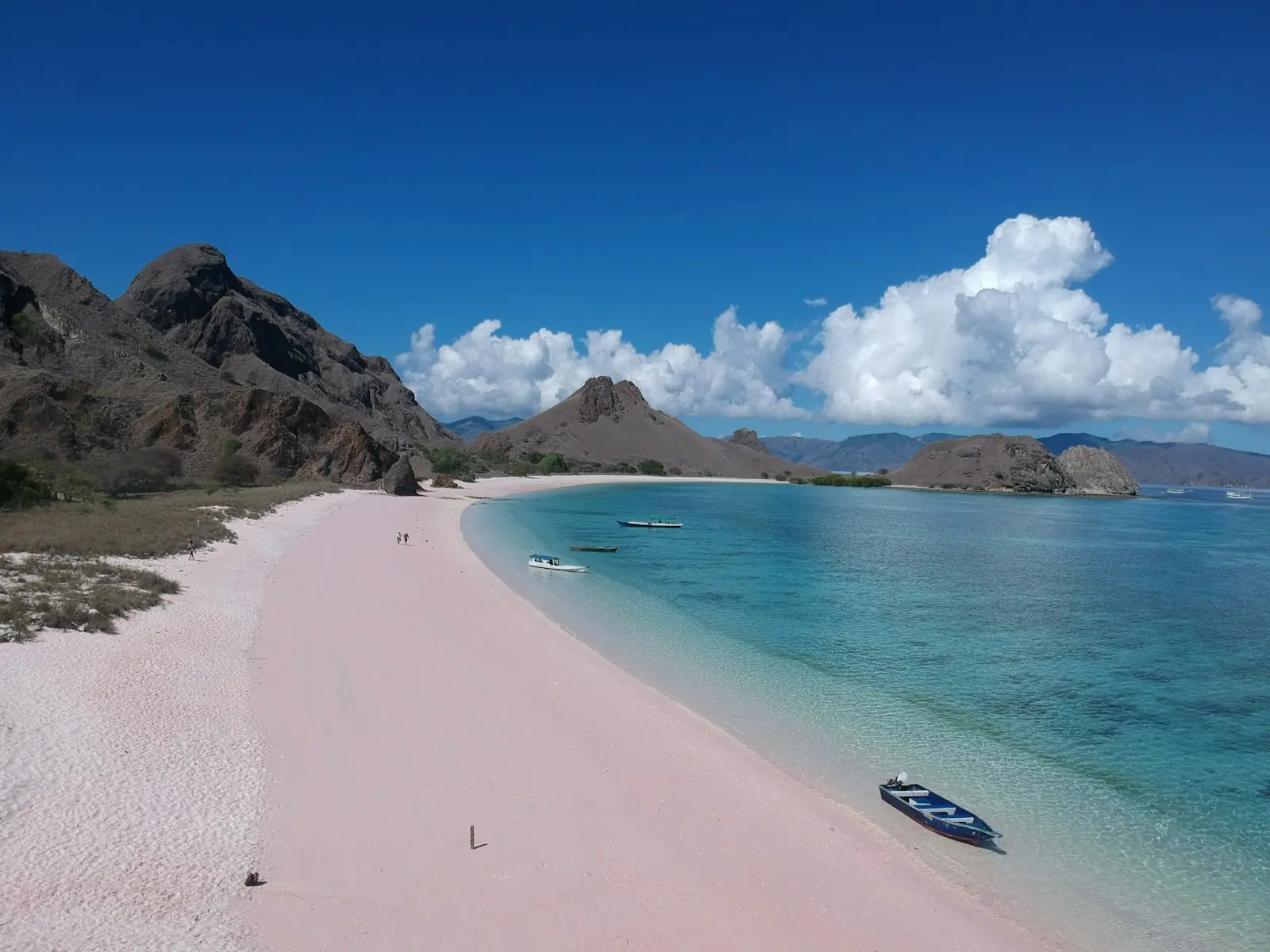
From Lombok or Labuan Bajo
-
From Lombok & the Gilis
Many divers train or refresh skills with us around Lombok and the Gili Islands, then move east. Typical patterns:- Fly Lombok → Labuan Bajo
- Short domestic flights (via Bali or direct when available) connect Lombok to Labuan Bajo.
-
You then board your liveaboard or join a shore-based operator.-
Extended cruise routes
- Some longer liveaboard itineraries run between Bali/Lombok and Komodo, stopping at Sumbawa, Moyo, Satonda and other waypoints.
- These trips give you a gentle progression: easy reefs and drifts first, then heavier Komodo action later in the trip.
-
From Labuan Bajo
If you’re short on time:- Fly directly into Labuan Bajo (LBJ) from Bali, Jakarta, Surabaya or other hubs.
- Join a Komodo-only liveaboard or day-trip program focused purely on Komodo National Park diving.
-
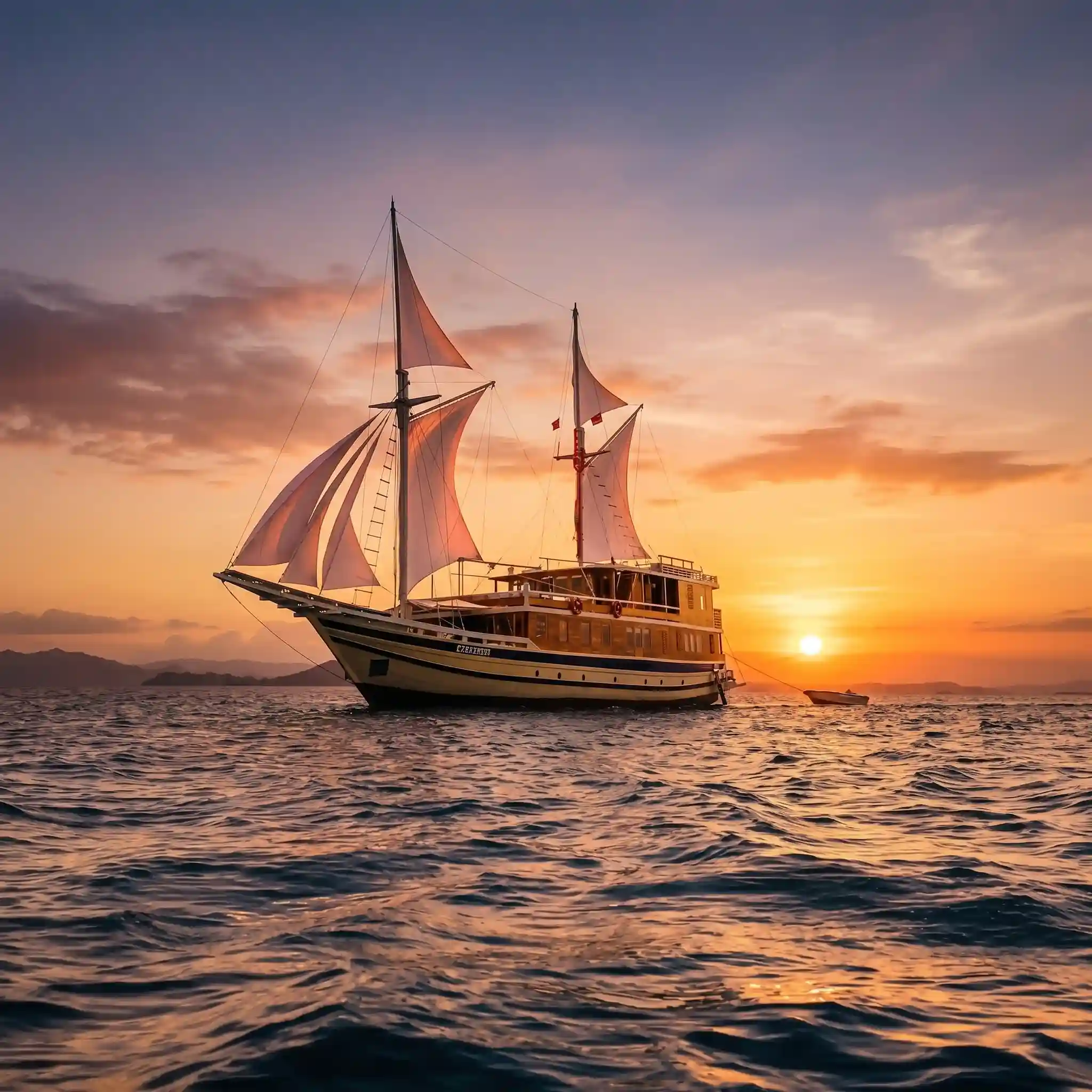
Our Liveaboard Partner: Komodo Luxury
This site and our Komodo itineraries are operated by Komodo Luxury, a genuine Indonesian company, not a reseller-only middleman.- Founded: 2015
- Based: Denpasar, Bali
- Group: Part of Juara Holding Group Limited
- License: KBLI 79120 (travel agency and tour operator services)
- Awards: TripAdvisor Travelers’ Choice 2025 and 2026
-
The Fleet: Real Phinisi Yachts
Komodo Luxury owns and operates:- Komodo Signature – Luxury Indonesian phinisi yacht designed for comfort-focused diving and cruising.
- Komodo Prestige – Another high-end phinisi in the same fleet, geared to small-group liveaboard expeditions.
-
Routes and Seasons
Komodo Luxury operates:- Komodo-focused itineraries – Standard “Best of Komodo” trips during the April–November core season.
- Extended east Indonesia routes – Selected departures adding Bali, Lombok, Sumbawa and sometimes more remote islands.
- Raja Ampat and eastern Indonesia – Seasonal expeditions for experienced divers looking beyond Komodo.
- Skill building around Lombok, Gilis and, for advanced divers, optional Belongas Bay (including The Magnet hammerhead site in the right season for capable teams).
- Komodo liveaboard once you have the drift, buoyancy and gas management to actually enjoy what Komodo offers.
- Raja Ampat / Eastern Indonesia for those who want to push further after seeing Komodo.
-
Pricing: What a Komodo Liveaboard Actually Costs
Liveaboard pricing fluctuates by:- Vessel (Signature vs Prestige)
- Cabin type (shared vs master)
- Season (high vs shoulder)
- Route length and focus (straight Komodo vs Bali–Komodo crossing)
- Per-person liveaboard packages (typically 4–7 nights, full board, diving included):
- Roughly USD 350–700 per person per night, depending on all the above.
Safety, Honest Expectations and How We Dive Komodo
Safety Priorities
- Screen experience — We ask for recent dives and certification level. The more honest you are, the easier it is to match you to the right boat and route.
- Brief hard, dive calm — Currents, emergency procedures, SMB use, negative entries and “abort” signals are explained clearly.
- Use conservative profiles — No incentive dives at the edge of NDL, especially on repetitive deep sites in current.
- Skip sites when needed — If Castle Rock is blowing up and your team is 20-dive Advanced divers, we skip it. The rock will still be there next year.
Marine Life Expectations
- Mantas — Often present in season, sometimes not at all during a trip.
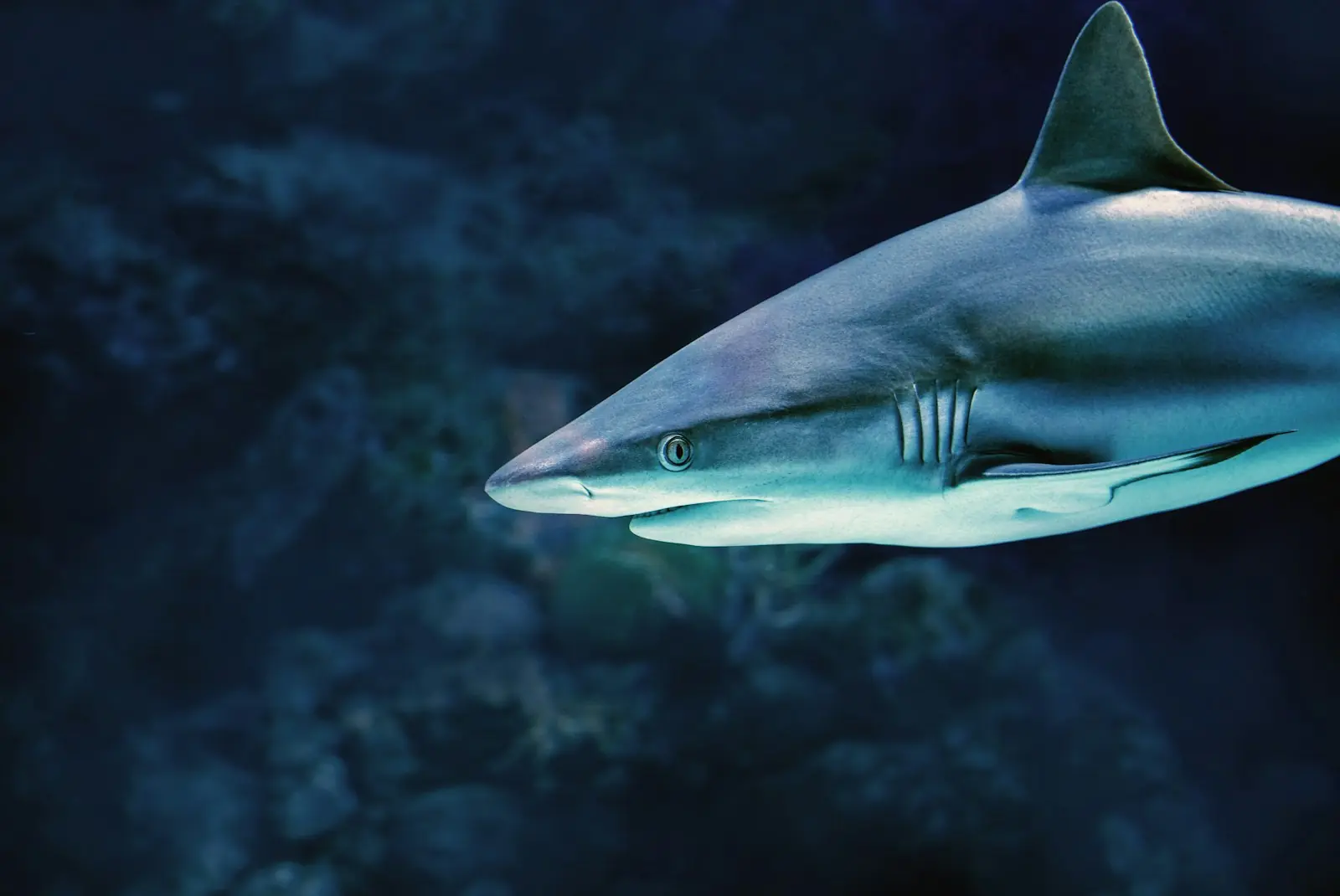
- Reef sharks — Seen frequently on many sites, but not on every single dive.
- Hammerheads and whale sharks — Possible in certain regions and seasons (e.g., Belongas Bay’s The Magnet near Lombok is known for seasonal hammerhead encounters around July–September), but absolutely not everyday events and never guaranteed.
- We design itineraries around reliable reefs and fish life first, then layer in big-animal potential instead of selling you a fantasy “manta on every dive” story.
Komodo Diving FAQs
What are the best Komodo dive sites for experienced divers?
How strong are the currents in Komodo?
When is manta season in Komodo?
What certification do I need for Komodo diving?
Can beginners dive Komodo National Park?
Ready to talk dates and regions?
Tell us where and how you want to dive. We reply on WhatsApp with the right route, season and vessel, and an indicative quote.
Indicative pricing by quote, no obligation. Operated by Komodo Luxury · TripAdvisor Travelers’ Choice 2022–2025.