

Bali to Komodo Diving Cruise (via Lombok & Sumbawa)
A multi-day liveaboard itinerary that sails from Bali through Lombok, the Gili Islands and Sumbawa to Komodo National Park, combining Bali’s reefs and mantas with Komodo’s world-class current-swept sites.
What is a Bali to Komodo diving cruise?
- Embarks in Bali (typically Padang Bai or Serangan)
- Transits via Lombok and the Gili Islands
- Crosses Sumbawa (often with a Bima or Sangeang stop)
- Finishes in Komodo National Park, usually disembarking in Labuan Bajo
- Transit sailing: ~6–9 days Bali–Komodo with some days dedicated to steaming and fewer dives
- Full dive programme: 8–12 days, 3–4 dives/day planned, subject to safety and conditions
Why choose a Bali–Lombok–Komodo liveaboard route?
1. Easy international access via Bali
For most guests, Bali is the simplest entry point to Indonesia. A bali komodo liveaboard that starts or ends in Bali means:- Fewer domestic flights and baggage connections
- Time to acclimatise from jet lag before heavy current dives in Komodo
- Option to add land-based days in Bali before or after your cruise
2. One itinerary, multiple ecosystems
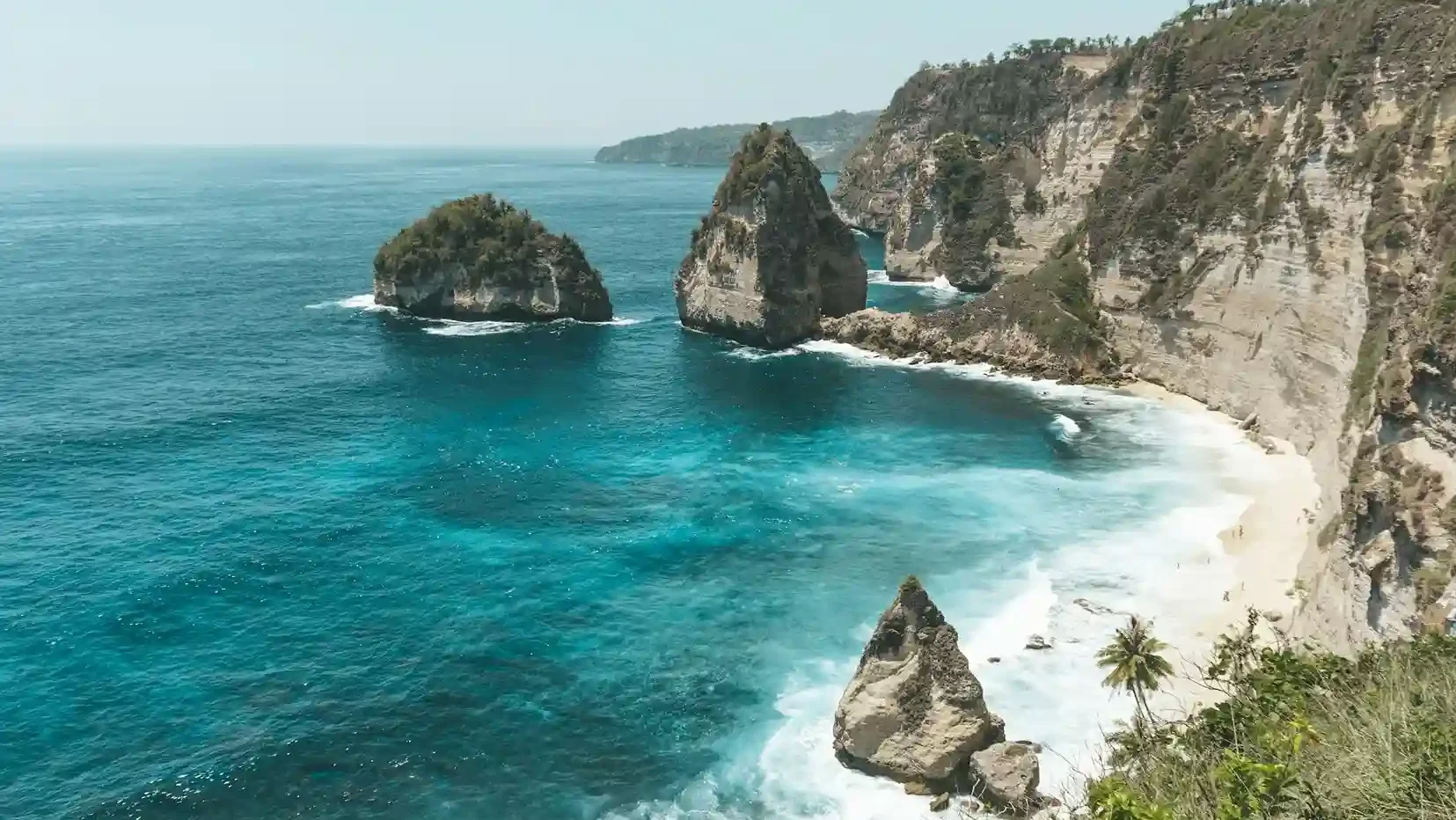
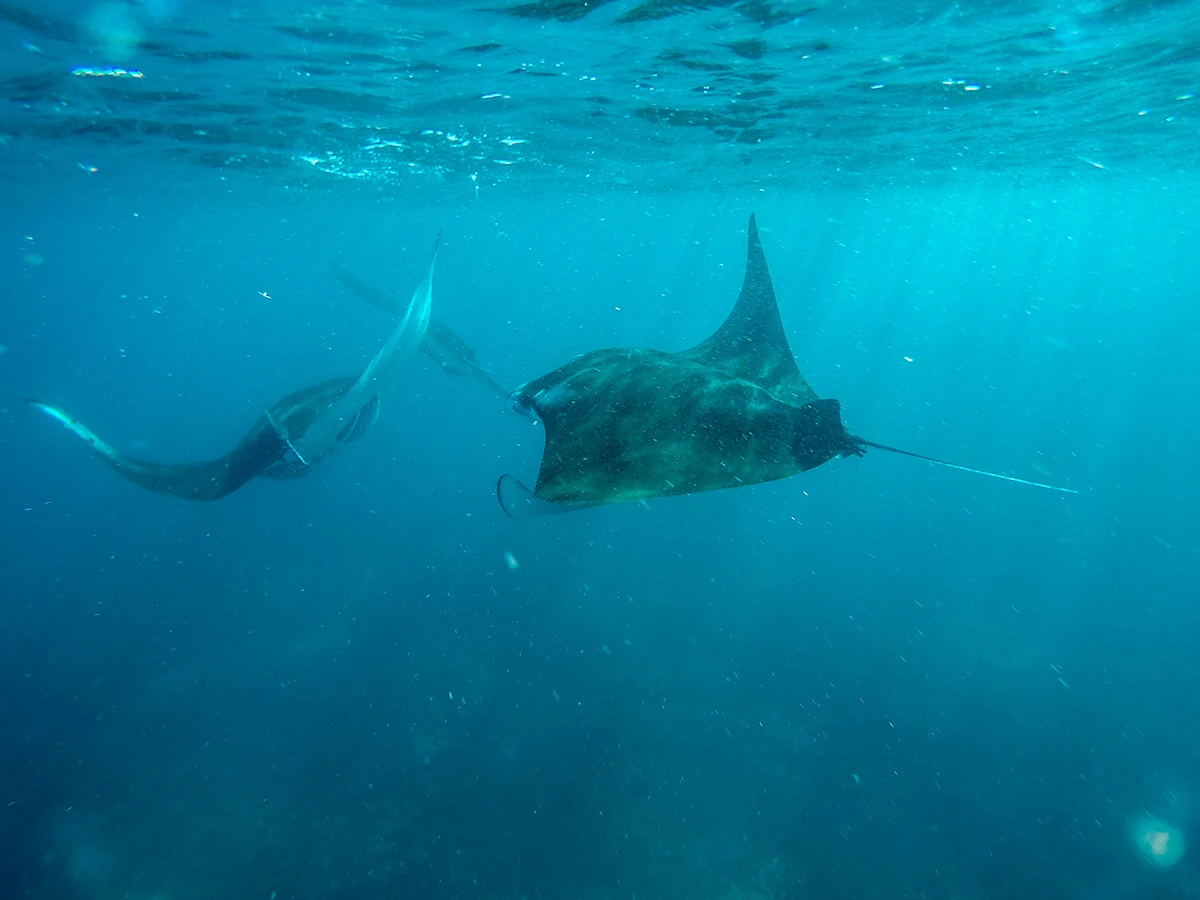
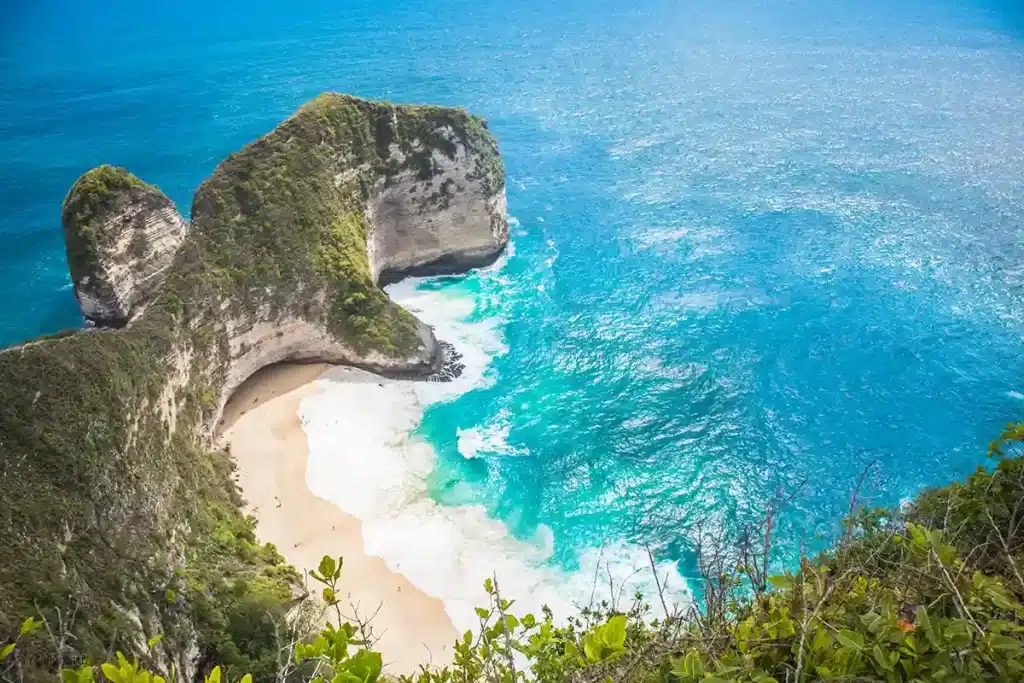
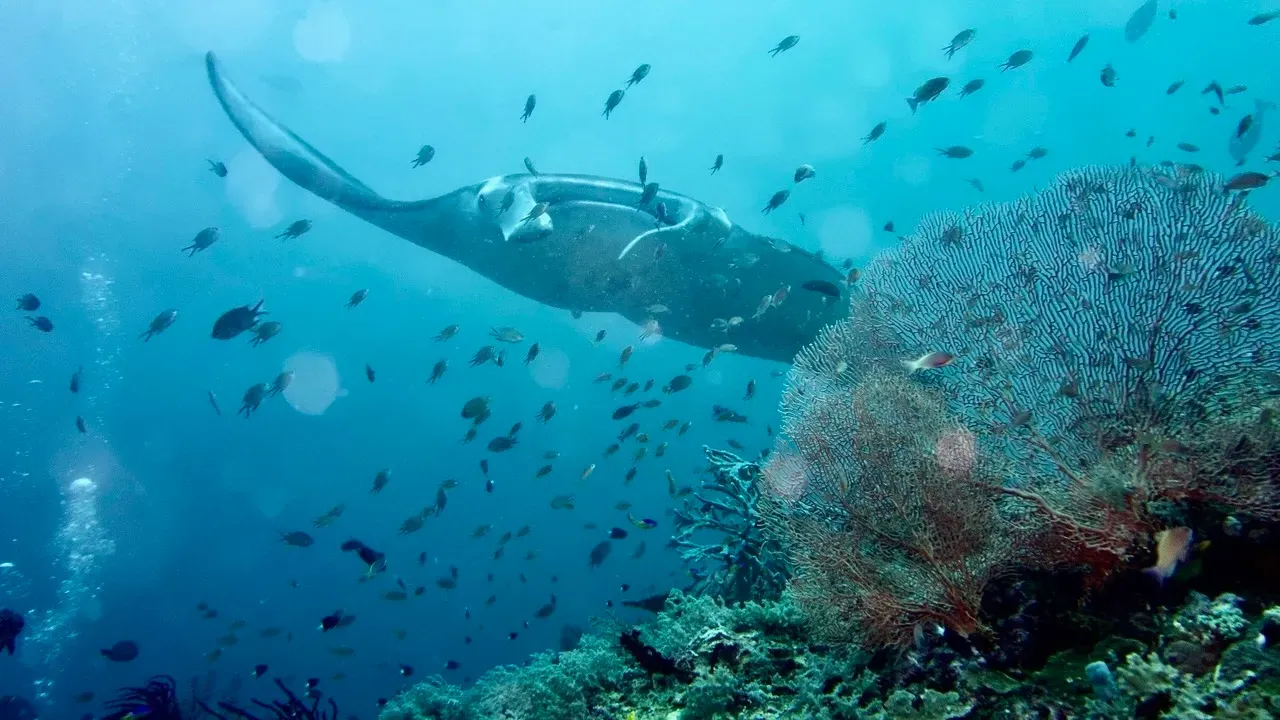
A Bali–Lombok–Sumbawa–Komodo track lets you experience very different environments in a single trip:- Nusa Penida (Bali): coastal pelagics, manta cleaning stations; seasonal Mola sightings in deeper, colder water
- Gili Islands (Lombok): accessible reefs, turtles, schooling fish, night macro
- Optional south Lombok (Belongas Bay): remote, higher-adrenaline seamounts for experienced divers in the right season
- Sumbawa: volcanic slopes, macro, black-sand critters; occasionally manta or shark encounters
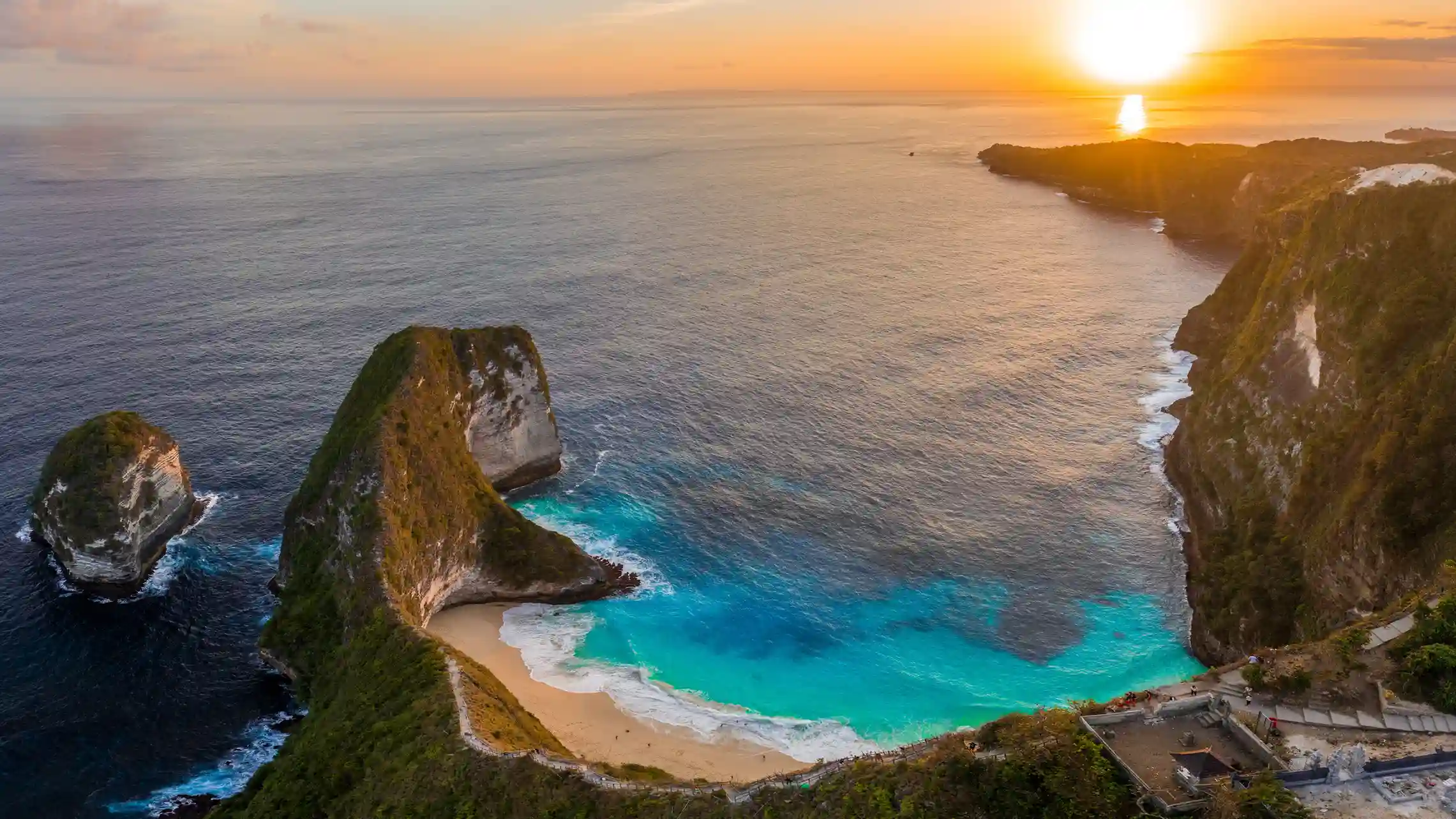
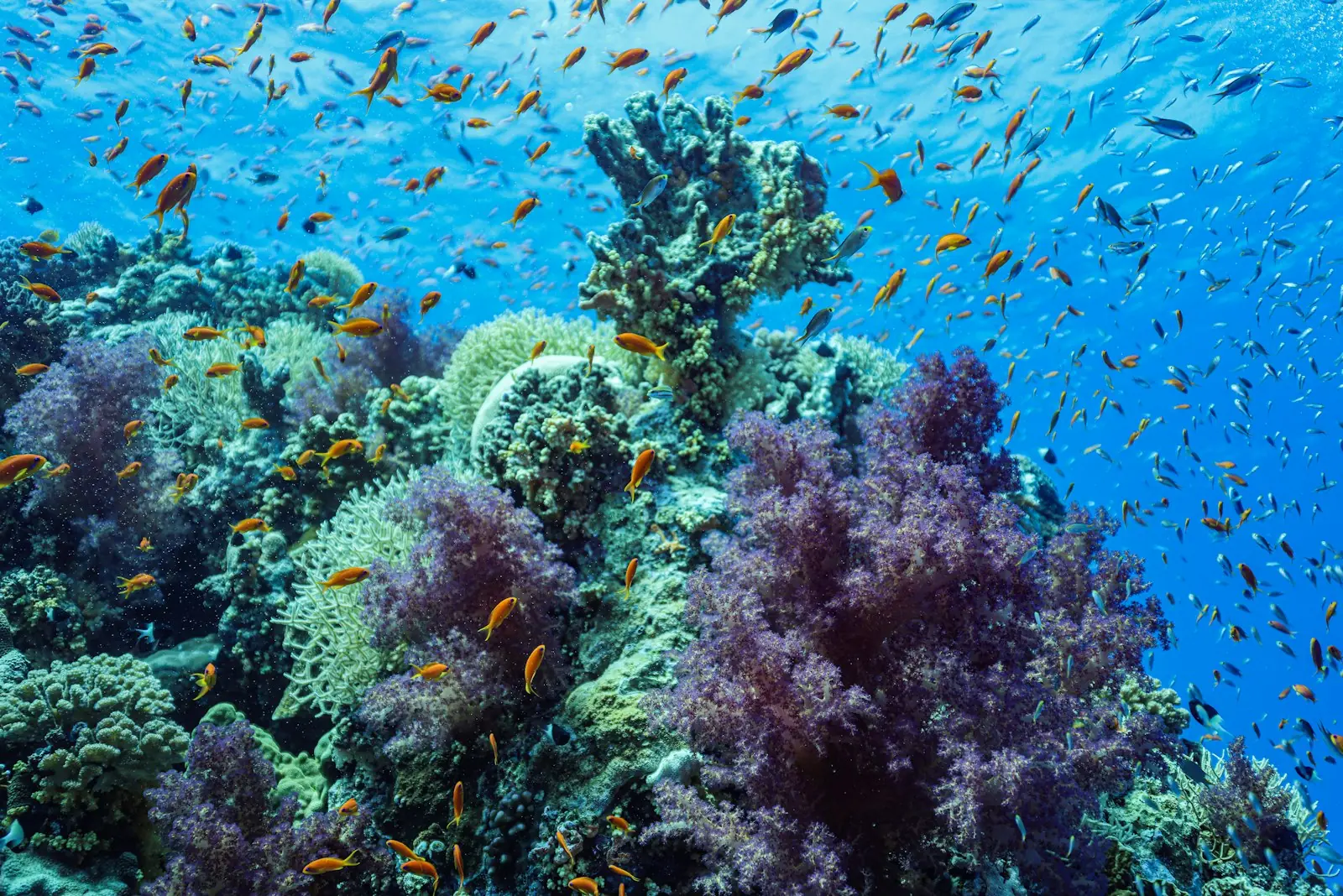
- Komodo National Park: coral-rich current channels, reef sharks, manta sites, walls, pinnacles and sheltered bays
3. Great for mixed-experience groups
For groups spanning Open Water through Advanced/Rescue, a bali lombok komodo dive cruise can work well:- Early trip: more protected reef dives around Bali and the Gilis
- Mid-trip: optional advanced-only dives in south Lombok or selected Komodo channels, while less experienced divers stay on intermediate sites
- Later days: as comfort grows, guests can progressively step up in current and complexity under supervision if conditions and their skills allow
Good to know
- Operator
- Lombok Diving is operated by Komodo Luxury, a real award-winning Indonesian liveaboard operator (TripAdvisor Travelers’ Choice 2022–2025, founded 2015, part of Juara Holding Group Limited).
- Conditions
- Dive-site depths, seasons and conditions are indicative and vary; advanced sites such as Belongas Bay (hammerheads) and the strong-current sites of Komodo need the right certification.
- Marine Life
- Marine life — mantas, hammerheads, whale sharks — is seasonal and wild, and can never be guaranteed.
- Pricing
- Prices are indicative ranges, by quote, and vary by season, vessel, cabin and itinerary.
- Booking
- Enquiries and booking via WhatsApp +62 811-3823-875 and [email protected].
Bali to Komodo via Lombok & Sumbawa
Every departure is slightly different because tides, swell and wind vary. Below is a typical 10–11 day Bali to Komodo diving itinerary that I would draft as a starting point, then refine around a given departure’s conditions and diver profiles.
-
Day 1–2
Bali – Nusa Penida / Nusa Lembongan
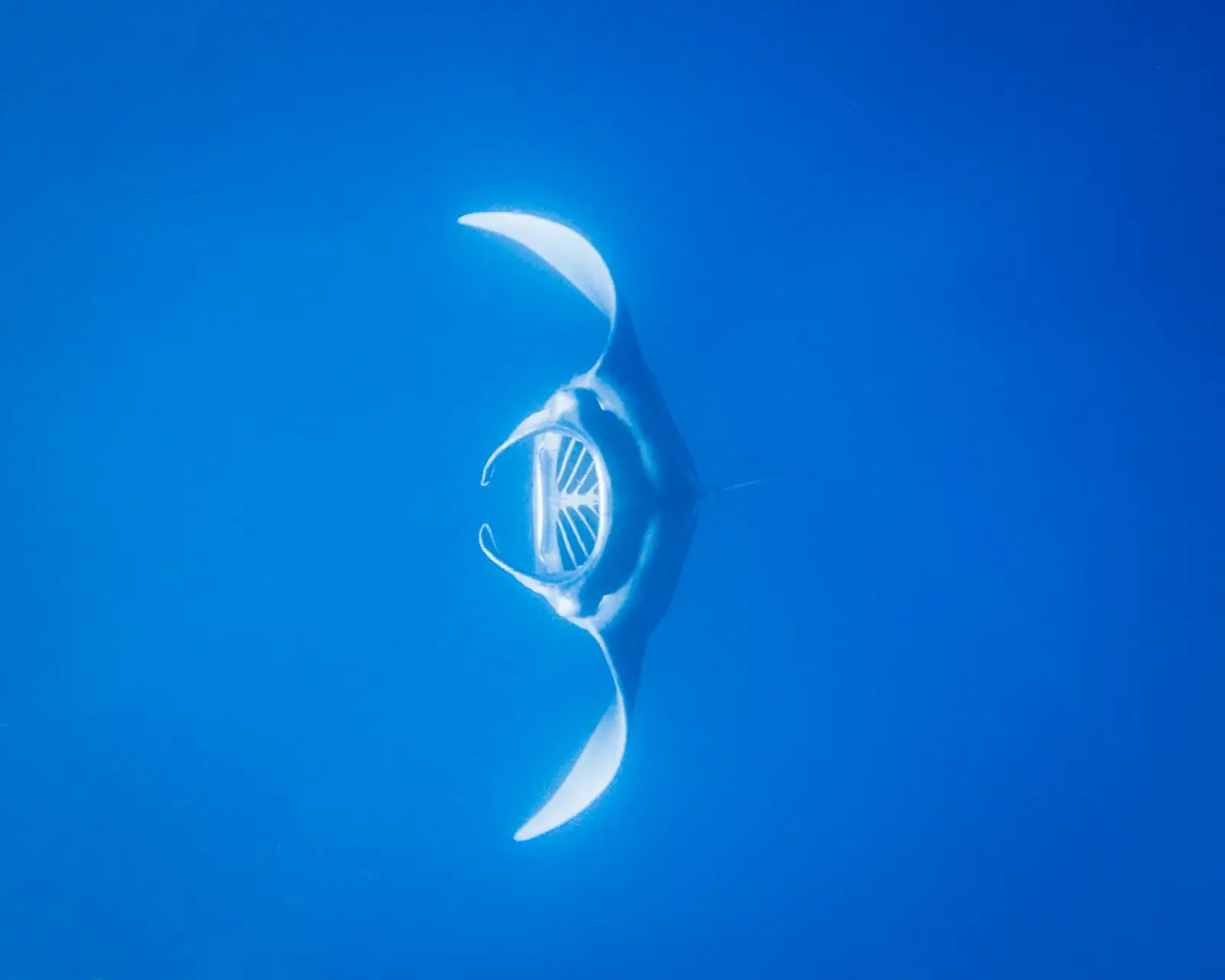
Common embarkation points:• Serangan Harbour (Denpasar area): convenient from South Bali hotels• Padang Bai: closer to Nusa Penida and east Bali sitesOn board, we brief safety, assign cabins, check certifications and, if needed, run a very shallow check dive on a protected reef so I can see everyone’s weighting and buoyancy before we work into more current-affected sites.Indicative dive themes around Nusa Penida:• Manta cleaning stations (e.g. around south Penida): typically 8–20 m+ with the main activity on the reef slope/plateau; currents can be moderate; Advanced or strong Open Water with good buoyancy preferred• Reef drift dives on Penida/Lembongan’s north coast: frequent mild to moderate currents, sometimes stronger; we choose timings where possible to give a comfortable first-day experienceCold thermoclines are common here. A 5 mm suit is usually comfortable for most divers. We monitor conditions carefully; big swell can make some sites unsuitable, and we won’t force a crossing if it isn’t safe.
-
Day 3
Crossing to Lombok – Gili Islands reefs and turtles
After a night or early-morning crossing, we typically arrive in the Gili Islands area (Gili Trawangan, Gili Air, Gili Meno) off Lombok’s northwest coast.Dive style here is more relaxed than Penida:• Sloping reefs and walls with hard and soft corals• Frequent turtle encounters, reef fish, occasional reef sharks• Often gentler currents, with some classic drift dives when tides runDepths are generally within recreational limits suitable for Open Water and Advanced divers, with optional deeper profiles within certification limits. These are ideal dives for refining buoyancy and trim before the higher-current portions of Komodo.
-
Optional
South Lombok and Belongas Bay (season- and experience-dependent)
Between roughly July and September, south Lombok’s Belongas Bay area can offer challenging blue-water seamount dives with the potential for schooling hammerheads and other pelagics. This is not a guaranteed experience and is absolutely not for beginners.For sites in this category we require, at minimum:• Advanced Open Water (or equivalent)• 50+ logged dives as a baseline guideline• Proven comfort in downcurrent-prone, surgey or low-visibility situations• Recent experience in strong currents and blue-water ascentsIf conditions are favourable and the group profile is appropriate, we may add a south Lombok leg to the schedule. If not, we focus instead on safer, still-excellent diving around the Gilis and north Lombok. Safety is always the deciding factor.
-
Day 4–5
Sumbawa – reefs, macro and volcanic profiles
From Lombok we cross to Sumbawa. Depending on weather and itinerary length, we might dive:• Northwest Sumbawa reefs: coral slopes with schooling fish and occasional pelagics• Black-sand or volcanic-influenced sites: ideal for macro and critter spotting• Selected walls or pinnacles: sometimes with moderate currentSumbawa is often less crowded than Bali or Komodo. It provides a nice blend of gentler dives, occasional drift and interesting topography, giving everyone time to consolidate skills before we step into the higher-energy parts of Komodo.
-
Day 6–9
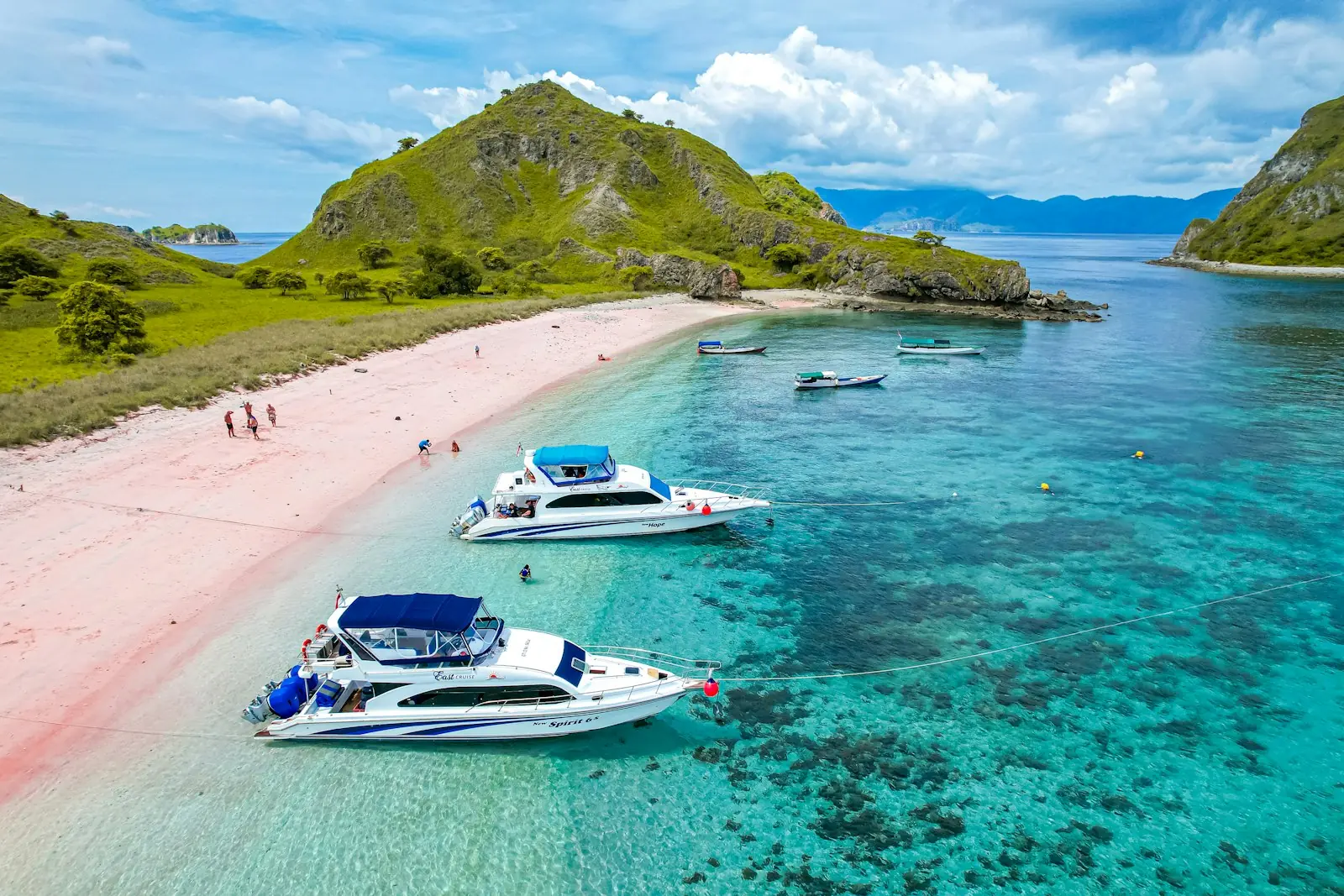
Komodo National Park – channels, reefs, manta sites
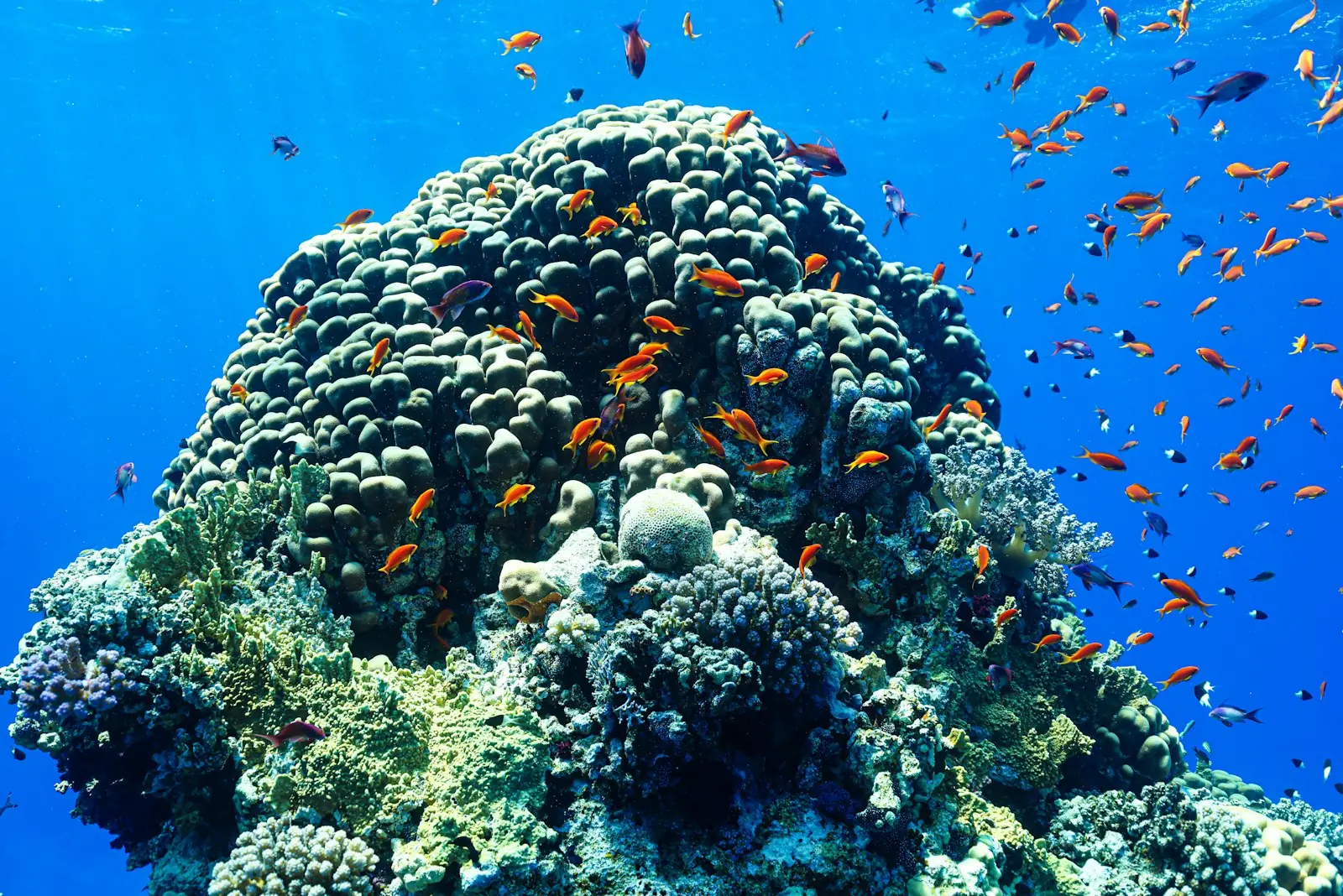
Entry into Komodo National Park is where most divers feel the difference: currents become more complex, sites more three-dimensional, and the variety of marine life steps up sharply.• Current-swept channels and corners: for Advanced/experienced divers with good current skills. We time entries carefully for safe windows and thoroughly brief negative entries, reef hooks (where appropriate) and team spacing.• Manta aggregation sites: moderate currents and often shallower profiles; good for a range of experience levels provided buoyancy is controlled and divers stay off the cleaning stations.• Sheltered bays and night dives: macro life, critters, calm conditions; often a relief after big-drift days.• Reefs and pinnacles: colourful coral, reef fish, reef sharks and occasional pelagics in blue water.I frequently split groups in Komodo by experience level so that newer divers enjoy suitable sites while advanced divers can safely tackle higher-energy channels.
-
Day 10–11
Final Komodo dives and disembarkation in Labuan Bajo
On the last full dive day we plan easier, shallower dives to minimise decompression stress before disembarkation:• 2 morning dives in the park on moderate or protected sites• Afternoon sail back toward Labuan Bajo• Overnight at anchor with a relaxed schedule, gear drying and closing briefingsDisembarkation is usually in Labuan Bajo the next morning after breakfast. From here, guests fly onward within Indonesia or back to Bali. Our team can assist with recommended flight timings that respect post-dive no-fly windows.
How many days do you really need?
- 8 days / 7 nights (minimum): viable if you accept more “transit-heavy” days and a tighter schedule
- 10–11 days: more balanced; allows for dive days in Bali, Lombok/Gilis, Sumbawa and multiple days in Komodo
- 12+ days: best for detailed exploration, optional south Lombok and extra Komodo variation
One-way vs return routes
- One-way Bali → Komodo: embark in Bali, disembark in Labuan Bajo; best balance of time in the water vs distance
- One-way Komodo → Bali: reverse route, useful for those who want to end in Bali for holidays or flights
- Return Bali ↔ Komodo: possible on longer charters but less common for scheduled departures, as more days must be dedicated to transit
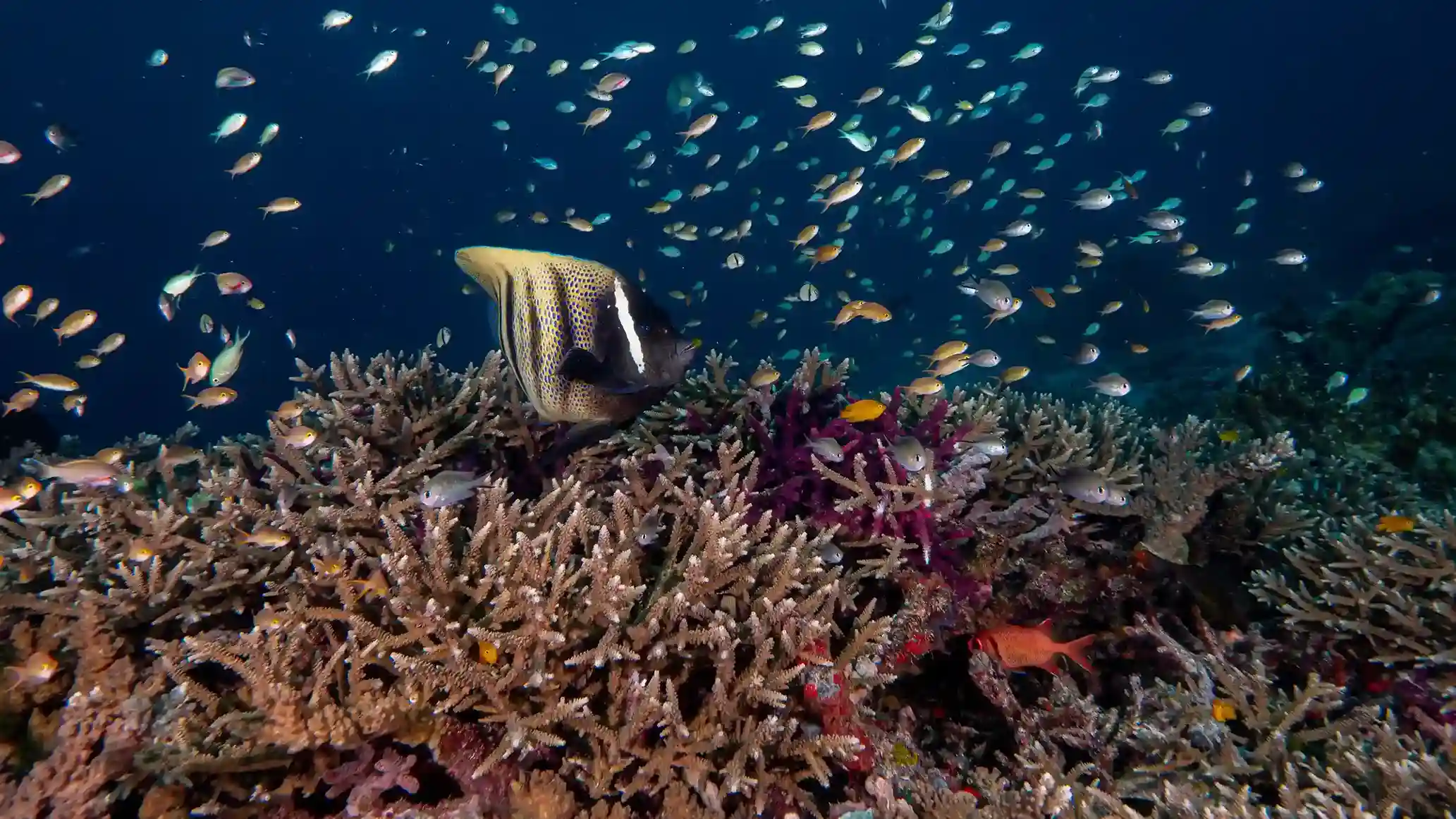
The best reason to choose this route is the diversity of diving, not a single species.
When to do a Bali–Komodo route.
Indonesia is diveable year-round, but different parts of the Bali–Lombok–Komodo corridor peak in different windows. Below is a simplified season overview; actual conditions can vary year to year.
| Region | Approx. Peak Conditions | Key Notes |
|---|---|---|
| Bali (Nusa Penida) | Apr–Nov for mantas; Jul–Oct often best for Mola encounters in cooler water | Can be windy/swell-prone mid-year; thermoclines bring colder temps. |
| Lombok & Gilis | Apr–Nov generally drier and calmer; diving possible year-round | Turtle and reef diving is consistent; visibility varies with rainfall and plankton. |
| South Lombok (Belongas Bay) | Typically Jul–Sep for higher chance of hammerheads | Advanced-only; rougher seas and stronger currents common. |
| Sumbawa | Generally Apr–Nov | Less diver traffic; good in shoulder seasons when conditions allow. |
| Komodo National Park | Apr–Nov for drier weather and typical itineraries | Currents year-round; some sites shift with season and plankton levels. |
Marine life highlights are seasonal and never guaranteed. We always frame “big animal” expectations honestly during planning. The best reason to choose this route is the diversity of diving, not a single species.
Certification, experience and safety
Minimum certifications for a Bali–Komodo itinerary
For a full bali to komodo diving cruise including currents and optional night dives, my general guidance is:- Open Water (or equivalent):
- Can enjoy many Bali, Gili, Sumbawa and some Komodo sites
- Will be excluded from higher-current and deeper sites
-
Ideal if accompanied by more experienced buddy or keen to learn and progress-
Advanced Open Water (or equivalent):- Strongly recommended for this itinerary
-
Allows you to safely access more of Komodo’s and Penida’s iconic sites when conditions allow-
Rescue Diver and beyond:- Invaluable skills for any current-heavy destination
- Not mandatory but strongly encouraged, especially if you like higher-adrenaline sites
- 30–50+ dives is a more realistic baseline for enjoying the full breadth of Komodo’s currents
- Recent dives in similar conditions (current, blue water) make a big difference
How we match sites to divers
On Komodo Signature and Komodo Prestige, my process typically includes:- Pre-trip review of your certifications and recent dive history
- Onboard check dive to assess buoyancy, trim and gas consumption
- Grouping divers by experience level for more tailored site choices
- Conservative evaluation of tides and weather each day
Dive profiles and equipment considerations
We plan within normal recreational dive limits. We avoid pushing to the edges of no-decompression time repeatedly, especially on long multi-day trips. Equipment considerations:- Exposure suit: 3–5 mm long wetsuit is usually appropriate; some divers prefer 5 mm for Nusa Penida and deeper, thermocline-prone dives
- SMB and reel/spool: mandatory for blue-water ascents and current-prone areas
- Reef hook: used selectively in some Komodo channel sites, with clear briefing
- Computer: essential; we require each diver to use a dive computer, not just a shared console
Is a Bali to Komodo diving cruise right for you?
Choose This Route If
- You want to maximise variety: mantas near Bali, easy turtle reefs in the Gilis, macro in Sumbawa, and classic Komodo currents and reefs.
- You prefer to fly internationally into Bali and minimise domestic hops.
- Your group mixes different experience levels, and you value gradual progression into stronger currents.
- You enjoy the idea of a true journey—watching the landscapes change from Bali’s coast to Komodo’s islands as you move east.
Consider a Komodo-only itinerary instead if
- You have limited time (e.g. 5–7 days only) and want to concentrate dives within the park.
- You already know Bali and Lombok well and want to focus just on Komodo’s channels and pinnacles.
FAQs: Bali → Lombok → Komodo Dive Cruises
Can I really dive Bali and Komodo in one trip?
Where do Bali–Komodo cruises start and finish?
How long do I need for a Bali–Lombok–Komodo liveaboard?
What certification level do I need for this route?
How much does a Bali to Komodo diving cruise cost?

Ready to talk dates and regions?
Tell us where and how you want to dive. We reply on WhatsApp with the right route, season and vessel, and an indicative quote.
Indicative pricing by quote, no obligation. Operated by Komodo Luxury · TripAdvisor Travelers’ Choice 2022–2025.