
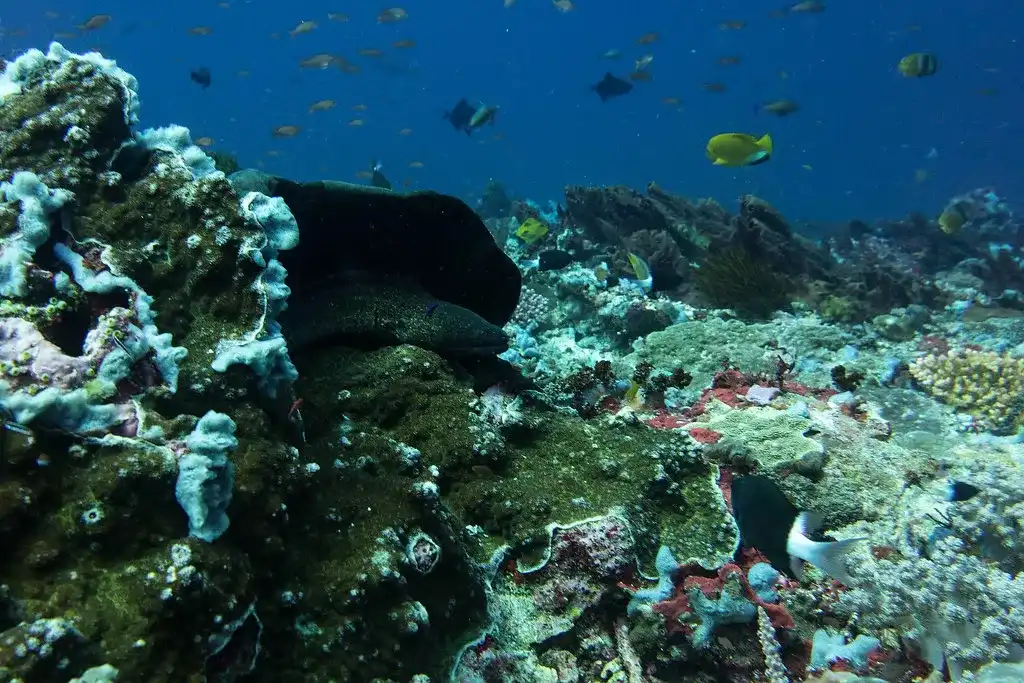
Diving in Bali: Nusa Penida, Tulamben & Best Dive Sites
Bali diving means year-round tropical dive sites around Indonesia’s most famous island, from manta cleaning stations at Nusa Penida to the USAT Liberty wreck at Tulamben.
A solid all-round dive destination.
- Easy shore diving and wrecks in the northeast (Tulamben, Amed)
- Wall diving and calmer conditions in the northwest (Menjangan)
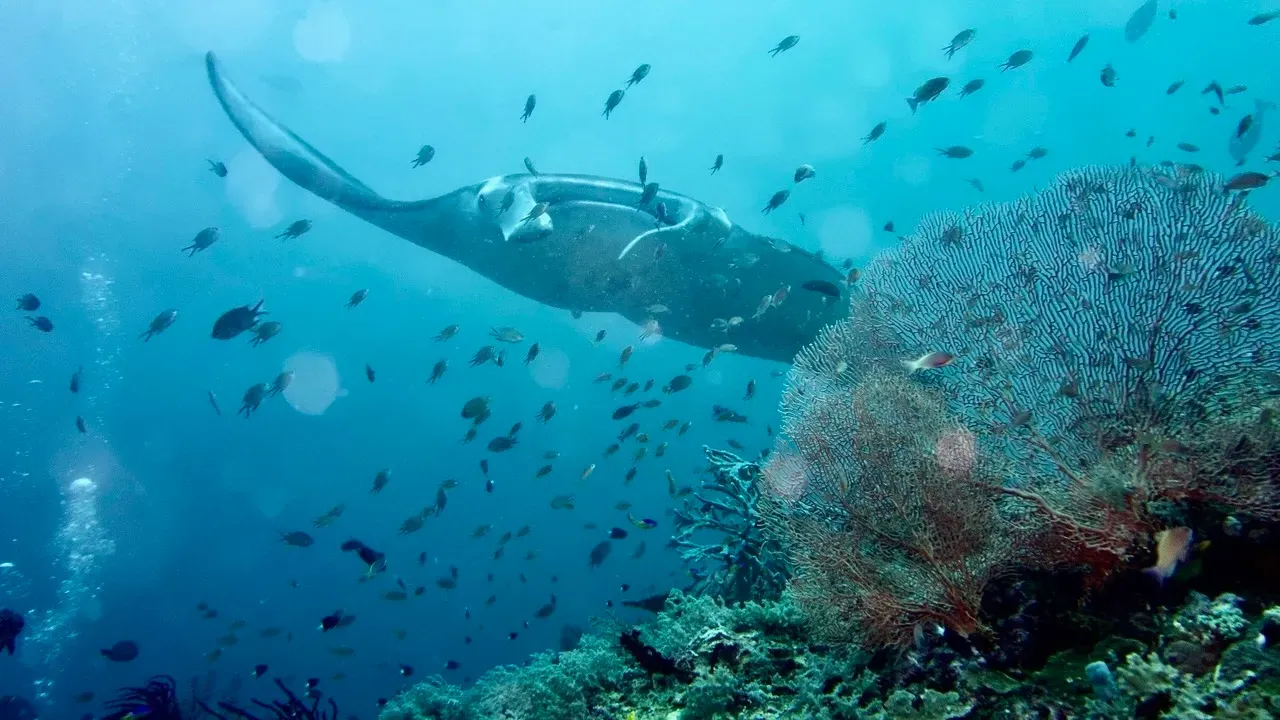
- Manta rays and fast drifts off Nusa Penida and Nusa Lembongan
- Macro and reef dives off Padang Bai and the east coast
Certification reality check
- Open Water Diver: Tulamben, Amed, Padang Bai and many Menjangan sites are fine, conditions permitting.
- Advanced Open Water + 30 logged dives: Recommended for most Nusa Penida sites and deeper/intermediate Tulamben or Amed dives.
- Advanced + strong current experience: Required for serious Komodo itineraries and for handling Penida on big‑current days.
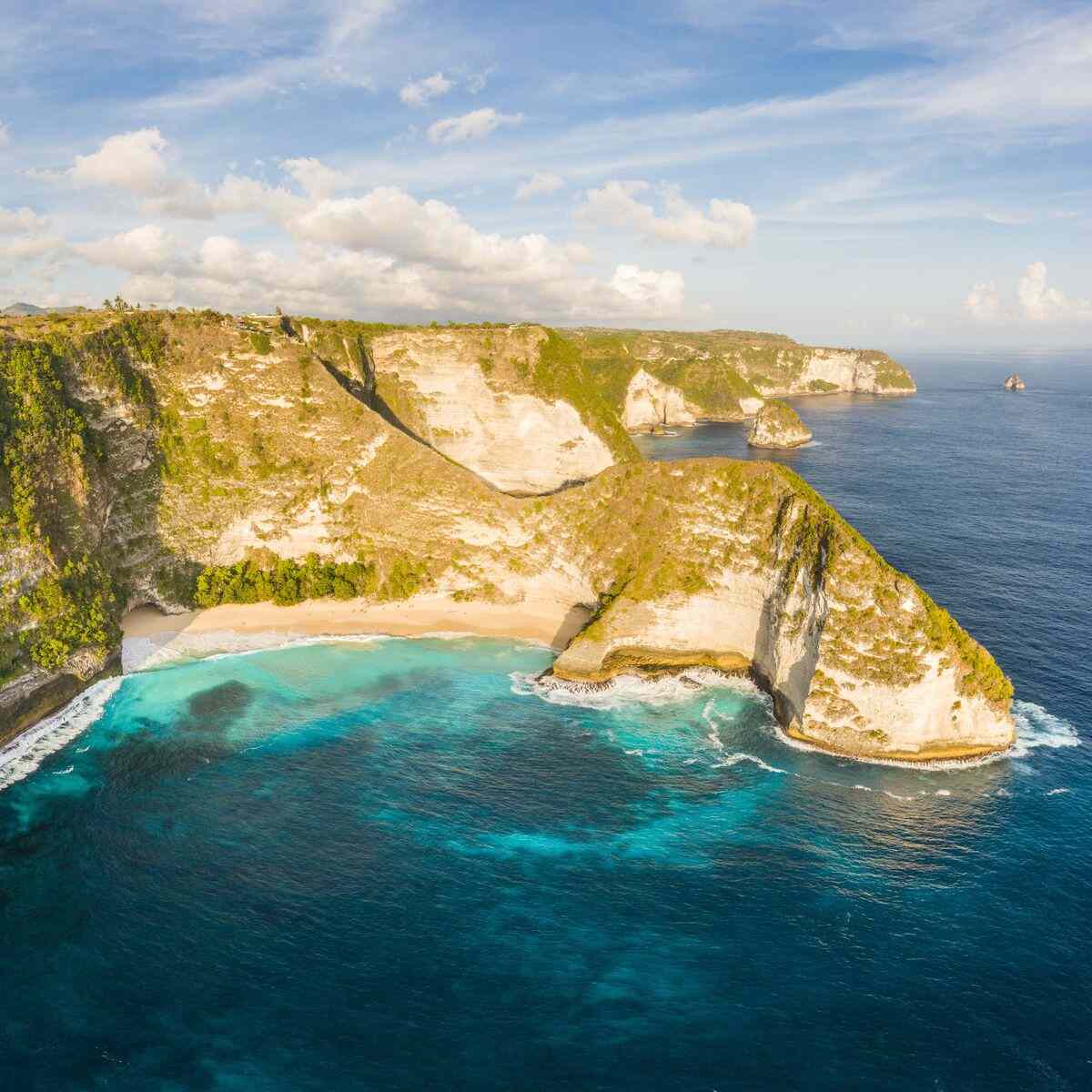
Good to know
- Operator
- Lombok Diving is operated by Komodo Luxury, a real award-winning Indonesian liveaboard operator (TripAdvisor Travelers’ Choice 2022–2025, founded 2015, part of Juara Holding Group Limited).
- Conditions
- Dive-site depths, seasons and conditions are indicative and vary; advanced sites such as Belongas Bay (hammerheads) and the strong-current sites of Komodo need the right certification.
- Marine Life
- Marine life — mantas, hammerheads, whale sharks — is seasonal and wild, and can never be guaranteed.
- Pricing
- Prices are indicative ranges, by quote, and vary by season, vessel, cabin and itinerary.
- Booking
- Enquiries and booking via WhatsApp +62 811-3823-875 and [email protected].
Key Bali Dive Areas: Snapshot Table
| Site | Area | Typical Depth | Recommended Level | Highlights | Best Season |
|---|---|---|---|---|---|
| Manta Point | Nusa Penida | Shallow to mid-range | Advanced preferred | Manta cleaning station, swell, cooler water | Year-round mantas; calmer May–Oct |
| Crystal Bay | Nusa Penida | Mid-range recreational | Advanced with current experience | Clear water, seasonal mola, strong/down currents | Mola season ~Jul–Oct; year-round reef life |
| USAT Liberty Wreck | Tulamben | Shallow to deeper sections | Open Water upward | Iconic WWII wreck, shore entry, rich reef life | Year-round; usually calm mornings |
| Menjangan Walls | Menjangan Island (NW Bali) | Shallow reef to wall depths | Open Water upward | Wall dives, healthy soft & hard coral, calmer conditions | Year-round; driest Apr–Oct |
| Amed Reefs & Pyramids | Amed (NE Bali) | Shallow to mid-range | Open Water upward | Easy reef dives, artificial reef structures, macro | Year-round |
| Padang Bai (Blue Lagoon) | East Bali | Shallow bays to mid-range sites | Open Water upward | Macro, reef fish, occasional turtles & pelagics | Year-round |
Seasons are indicative. Conditions can change quickly; always check local forecasts and defer to your dive leader’s briefing.

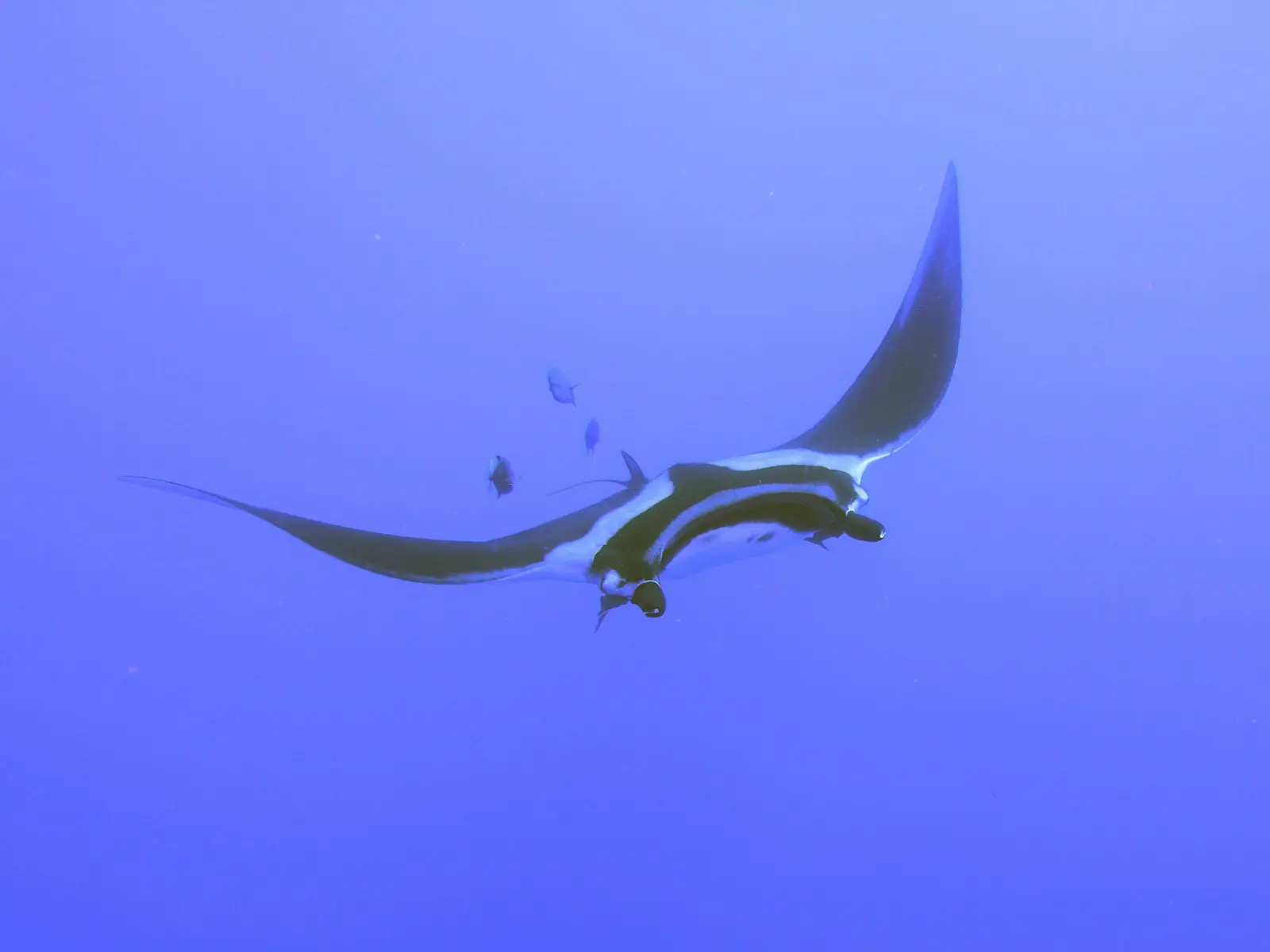
Manta Point, Crystal Bay & Fast Drifts
Manta Point: Cleaning Stations in Real Ocean Conditions
Profile
- Type: Exposed cleaning station and reef
- Entry: Boat only
- Conditions: Surge, swell, cooler water; variable visibility
- Level: Advanced preferred; confident Open Water on very calm days with strict supervision
What it’s actually like
You’re exposed here: long boat ride over open water, often with surface chop. At the site, you can have rolling swell and surge even when the sun is out. Bottom topography is relatively simple – sloping reef and rocks where mantas circle to be cleaned – but conditions are what sort divers by experience.Marine life
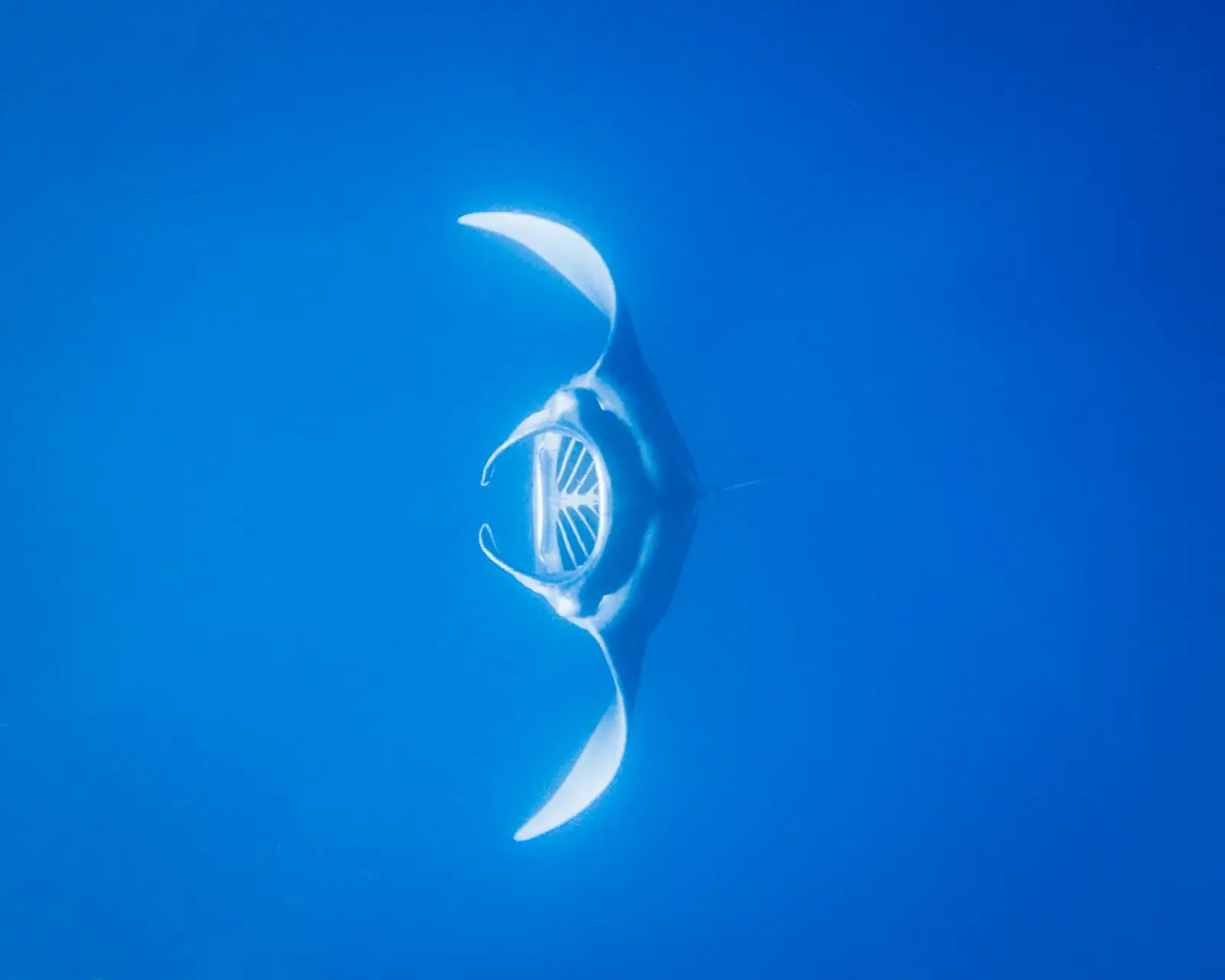
- Reef mantas frequently visit the cleaning stations year‑round
- Abundant plankton when the water is cooler and greener
- Typical Indo‑Pacific reef species: fusiliers, surgeonfish, sweetlips, occasional rays and sharks
Crystal Bay: Clear Water, Tricky Currents, Seasonal Mola
Profile
- Type: Bay and outside slope, subject to strong and down currents
- Entry: Boat only
- Conditions: Fast currents, occasional downwelling, thermoclines and cold water
- Level: Advanced with prior current experience; not a beginner site
Why certification really matters here
- Currents can shift quickly and create down currents on the outer wall.
- You must be able to descend and ascend promptly, control buoyancy in thermoclines and respond to guide instructions without panic.
- DSMB deployment and proper buddy procedures are essential if you end up surfacing away from the main group.
Marine life
- Seasonal mola sightings, generally cooler months (often around July–October), but not guaranteed even then
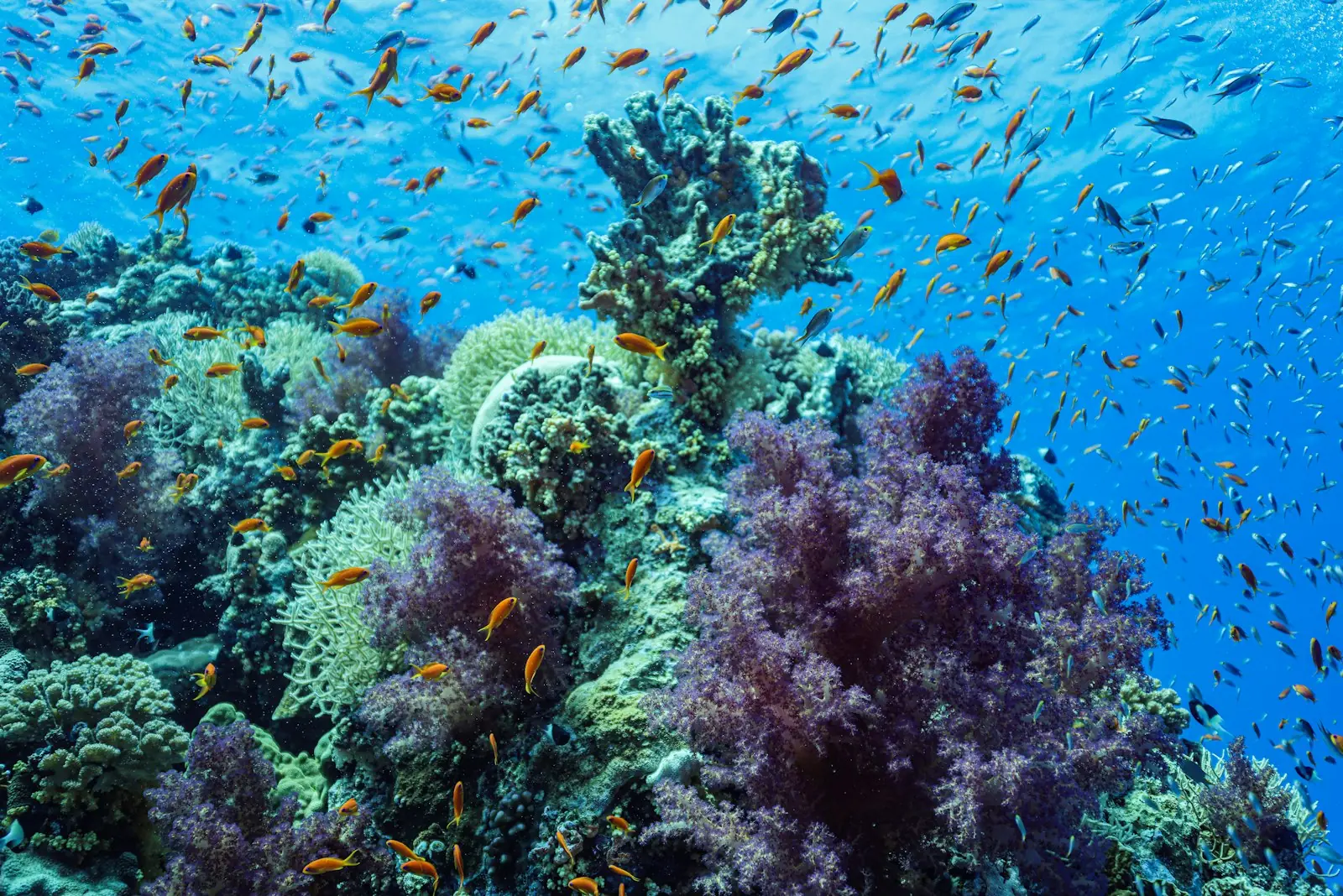
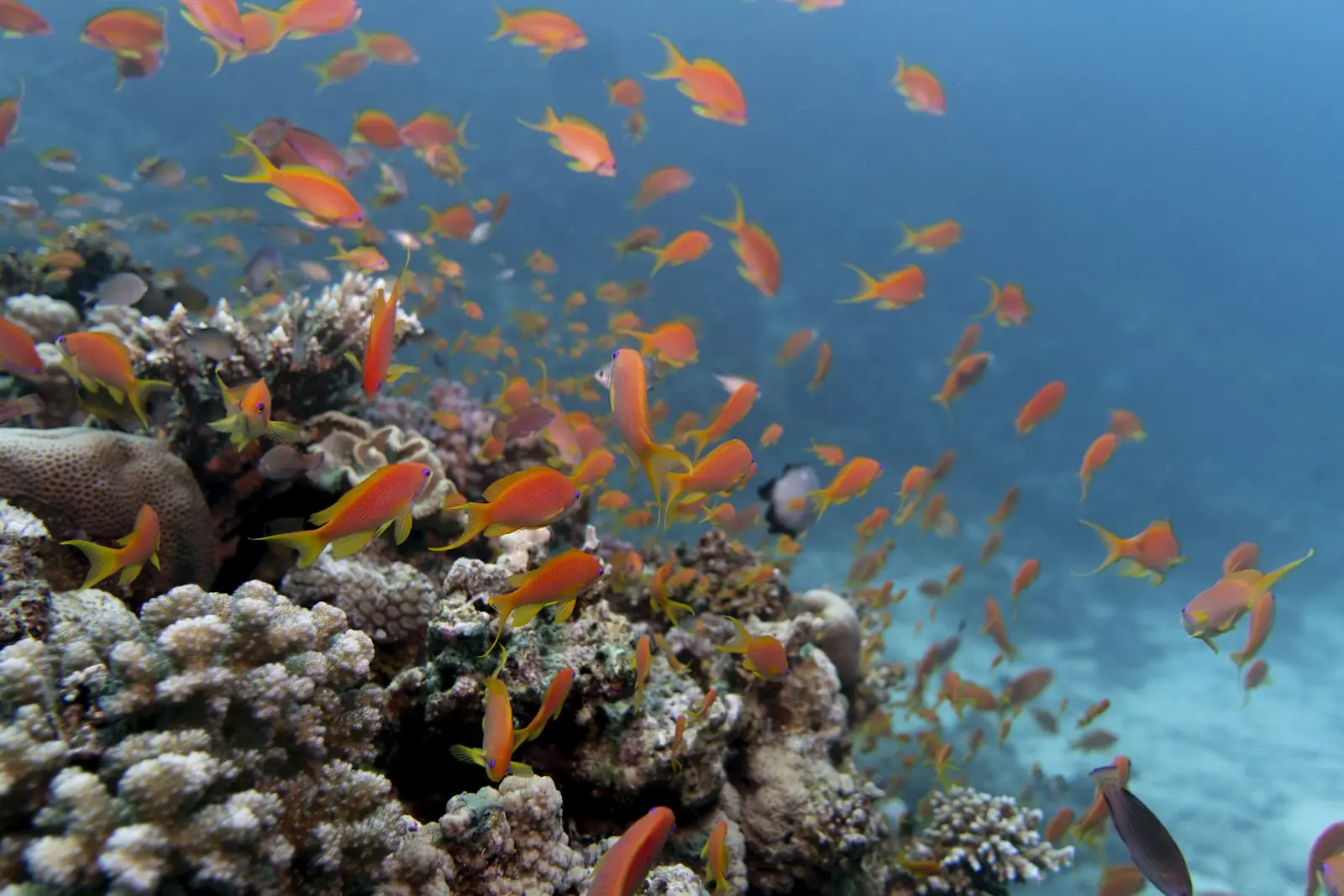
- Healthy reef with anthias, batfish, schooling fusiliers, occasional reef sharks and rays
- Interesting macro on the reef slope for those who can ignore the mola hype and focus on the substrate
Penida Drifts: Toyapakeh, SD, North Coast
Beyond Manta Point and Crystal Bay, Penida has a series of drifts along its north and northwest coasts. These are:- Type: Sloping reefs and walls with horizontal current
- Depth: Typically in mid‑range recreational depths
- Level: Advanced recommended; at least 20–30 dives and some drift experience
Tulamben Diving: Liberty Wreck & Easy Northeast Bali Reefs

-
USAT Liberty Wreck: Bali’s Signature Shore Dive
Profile
- Type: WWII cargo ship, now a coral‑covered wreck
- Entry: Shore; pebble beach and surf line that can be tricky for some
- Conditions: Usually mild currents, variable surface surge, mostly calm mornings
- Level: Open Water upward; Advanced divers can explore deeper sections and do night dives
Why divers like it
- Accessible: no boat required, a few fin‑kicks from shore
- Wreck is large and broken open, so you get the sense of structure without technical penetration
- Dense coverage of soft and hard corals, gorgonians and sponges
- Big schools of jackfish and surgeonfish, turtles on many days, occasional bumphead parrotfish
How it dives across experience levels
- Newer divers: Stay shallower with your guide, focus on the superstructure and surrounding reef.
- More experienced: You can cover more of the wreck, explore deeper sections, and plan a structured route and multi‑level profile.
- Photographers: Early‑morning and night dives are popular for avoiding crowds and adding atmosphere.
-
Other Tulamben Sites: Drop‑Off, Coral Garden & Macro
Tulamben is more than one wreck.- Drop‑Off: Steeper wall profile with sponges and corals, often with a bit more current than the wreck. Good for Advanced training dives.
- Coral Garden: Shallower area with an artificial reef and lots of macro – ornate ghost pipefish at times, shrimps, nudibranchs. Ideal for relaxed second or third dives or for photographers.
-
Amed Diving: Reefs, Artificial Pyramids & Casual Shore Dives
Amed, just down the coast from Tulamben, offers:- Mixture of shore and short boat dives
- Gentle reef slopes and artificial reef “pyramids”
- Typically easier conditions than Penida, similar feel to Tulamben
Profile
- Type: Reefs, artificial structures, some small wrecks
- Entry: Shore and boat
- Conditions: Usually mild currents with occasional drift; generally relaxed
- Level: Open Water upward
-
Menjangan Island: Walls & Calmer Northwest Bali
Menjangan, off Bali’s northwest coast, sits inside a protected area and is accessed from the mainland by boat. It’s further from the tourist hubs, which keeps it quieter underwater.Profile
- Type: Walls and slopes with good coral coverage
- Entry: Boat only
- Conditions: Generally calm with manageable currents; visibility often good
- Level: Open Water upward
Why it’s popular
- Long wall dives with plenty of sponges and soft corals
- Generally calmer surface and underwater conditions compared to Penida
- Makes a good option for divers who want scenic reef and wall diving without big‑current drama
-
Padang Bai Diving: Macro, Blue Lagoon & East‑Coast Variety
Padang Bai is an east‑coast ferry port that doubles as a convenient dive base.Profile
- Type: Bays, slopes, some muck‑style sites and reef
- Entry: Short boat rides to local sites
- Conditions: Variable; some easy sheltered bays, some sites with stronger current
- Level: Open Water upward, with certain current‑prone sites better for Advanced
Highlights
- Blue Lagoon: Sheltered, shallow‑to‑mid‑depth reef dive ideal for training and relaxed dives, with common sightings of turtles, reef fish and occasional cuttlefish.
- Macro/muck sites: Critters like frogfish, nudibranchs and various shrimps, depending on guide skill and conditions.
- Deeper/offshore reefs: For more experienced divers, some nearby sites can have livelier currents and bigger fish action.

Ask yourself honestly how you handled your last strong‑current dive before you sign up for Crystal Bay on a “mola special”.
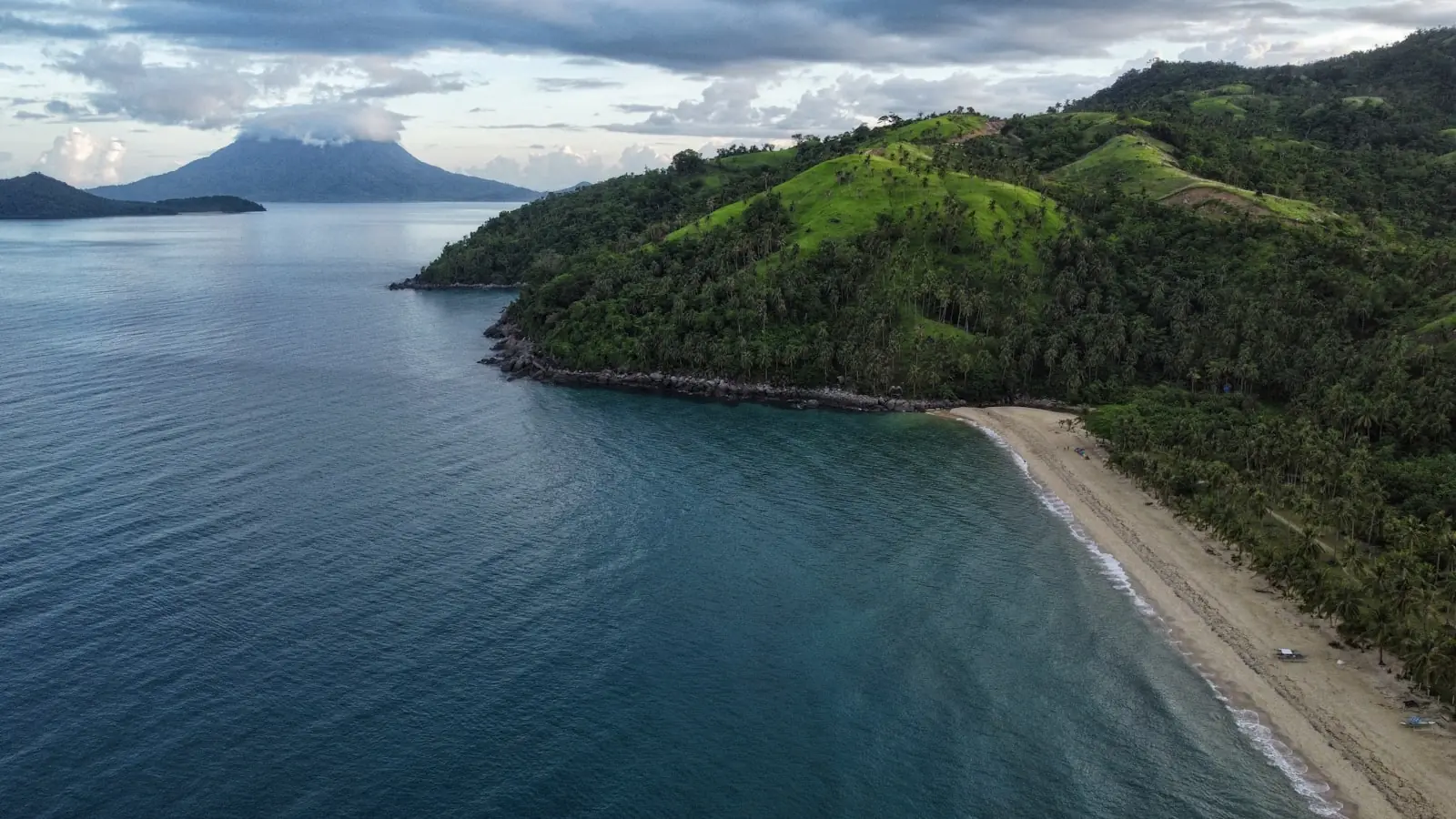
Bali Diving Seasons, Conditions & Visibility
Water Temperature & Visibility
- Temperature:
- Warm tropical water most of the year in Tulamben, Amed, Menjangan and Padang Bai.
-
Around Nusa Penida, cold upwellings can drop temperatures significantly, especially in cooler months and mola season. A 5 mm suit with hood is sensible if you feel the cold.-
Visibility:- Typically good across Bali’s main sites, with clear days and some green, plankton‑rich periods.
- Nusa Penida’s manta and mola sites can have reduced visibility when plankton is thick – that’s often when big animals are feeding or visiting cleaning stations.
Wind, Swell & Rain
- Dryer months (roughly April–October): Often mean more stable conditions and easier logistics for boat operations, especially around Nusa Penida.
- Wetter months (roughly November–March): Can bring more rain, run‑off and occasional swell. Many sites still diveable, but plans may change on short notice.
How Bali compares to our home waters.
| Aspect | How They Compare |
|---|---|
| Ease of diving | Lombok’s Gili Islands offer very easy warm-water reef diving with plenty of turtles and usually mild currents. Bali has similarly easy options (Tulamben, Amed, parts of Menjangan, sheltered Padang Bai) plus more challenging sites (Nusa Penida, some east-coast channels). |
| Big animals | Bali’s “large attraction” is manta rays and seasonal mola at Nusa Penida. Lombok sees seasonal hammerheads at Belongas Bay’s Magnet, but those sites are for experienced Advanced divers only. None of these animals are guaranteed. |
| Currents | Bali’s strongest currents are around Nusa Penida. Lombok’s Belongas Bay and various Komodo channels can be more demanding still, with vertical and horizontal components that require serious experience. |
| Wrecks | Bali wins on iconic wreck diving thanks to Tulamben’s USAT Liberty. Lombok has some smaller wreck sites, but nothing as large and accessible as Liberty. |
| Logistics | Bali has busy road networks and longer transfers to some sites. Lombok and the Gilis are typically quieter, with shorter boat rides from our bases to most reefs. |
If you are new to Indonesia, a sensible progression is:• Start on the Gilis / easy Lombok reefs or in Tulamben / Amed.• Add some Nusa Penida dives once your buoyancy and gas consumption are solid.• Step up to multi-day or week-long liveaboards through Lombok, Sumbawa and Komodo once your logbook and comfort level match the currents.
Pairing Bali Diving with a Lombok–Komodo Liveaboard
-
Bali warm-up
2–4 days diving Tulamben, Amed, Padang Bai or Menjangan. Optional Nusa Penida day trip for manta / reef drifts if conditions suit your experience.
-
Board a liveaboard
Embarkation near Bali or in nearby ports, depending on itinerary. Move east across Lombok, Sumbawa, towards Komodo and Labuan Bajo.
-
Step up difficulty gradually
Start with easier reefs as you sail east. Progress to Komodo’s more advanced current sites under strict briefings and guide supervision.

FAQs: Bali Diving
What are the best dive sites in Bali?
Is Tulamben good for diving?
Where can I see mantas in Bali?
How does Bali diving compare to Lombok and the Gili Islands?
Can I combine Bali diving with a Bali–Komodo liveaboard cruise?

Ready to talk dates and regions?
Tell us where and how you want to dive. We reply on WhatsApp with the right route, season and vessel, and an indicative quote.
Indicative pricing by quote, no obligation. Operated by Komodo Luxury · TripAdvisor Travelers’ Choice 2022–2025.