Operated by Komodo LuxuryTripAdvisor 2022–25Own Luxury PhinisiLombok to Raja Ampat
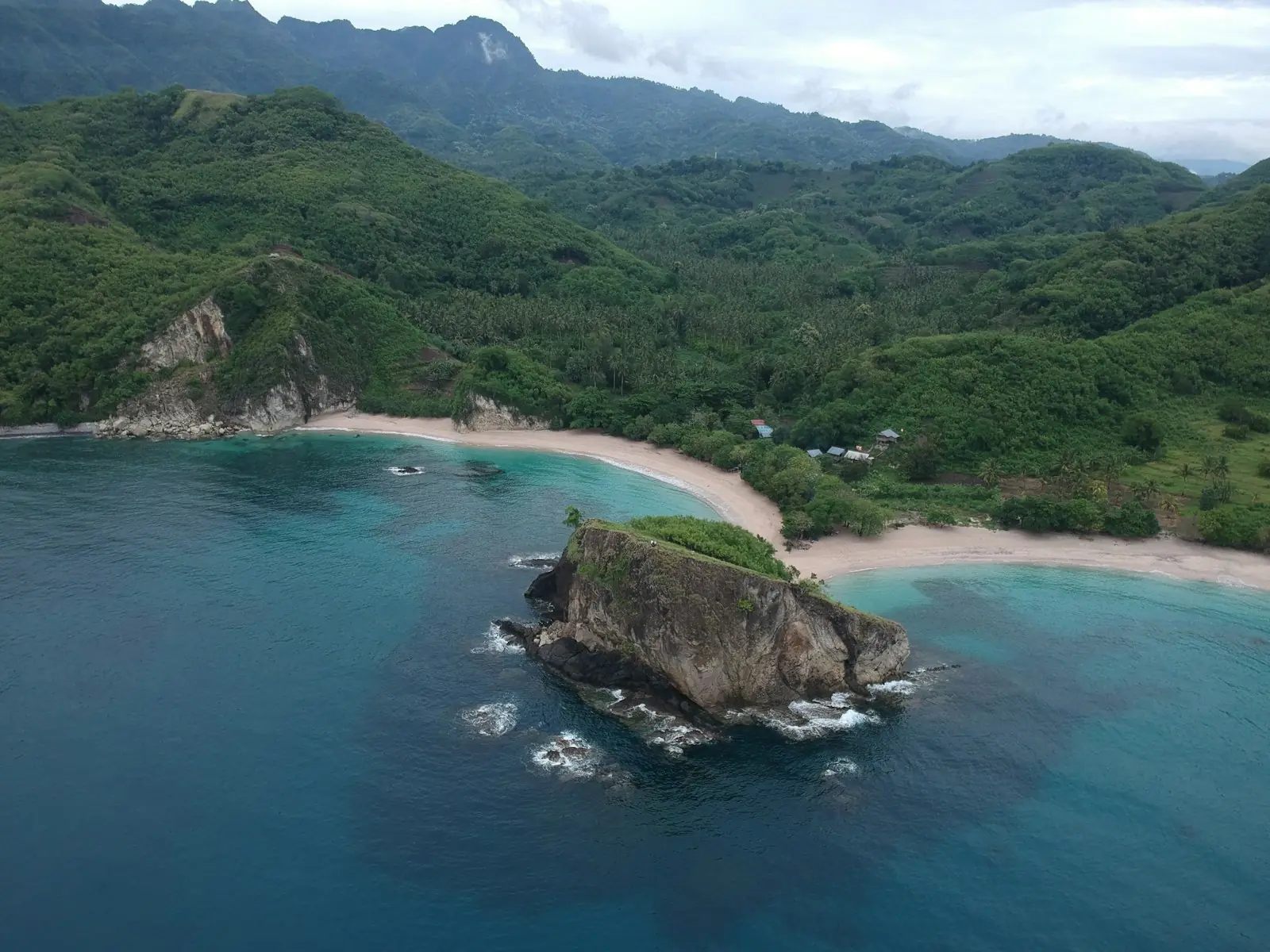
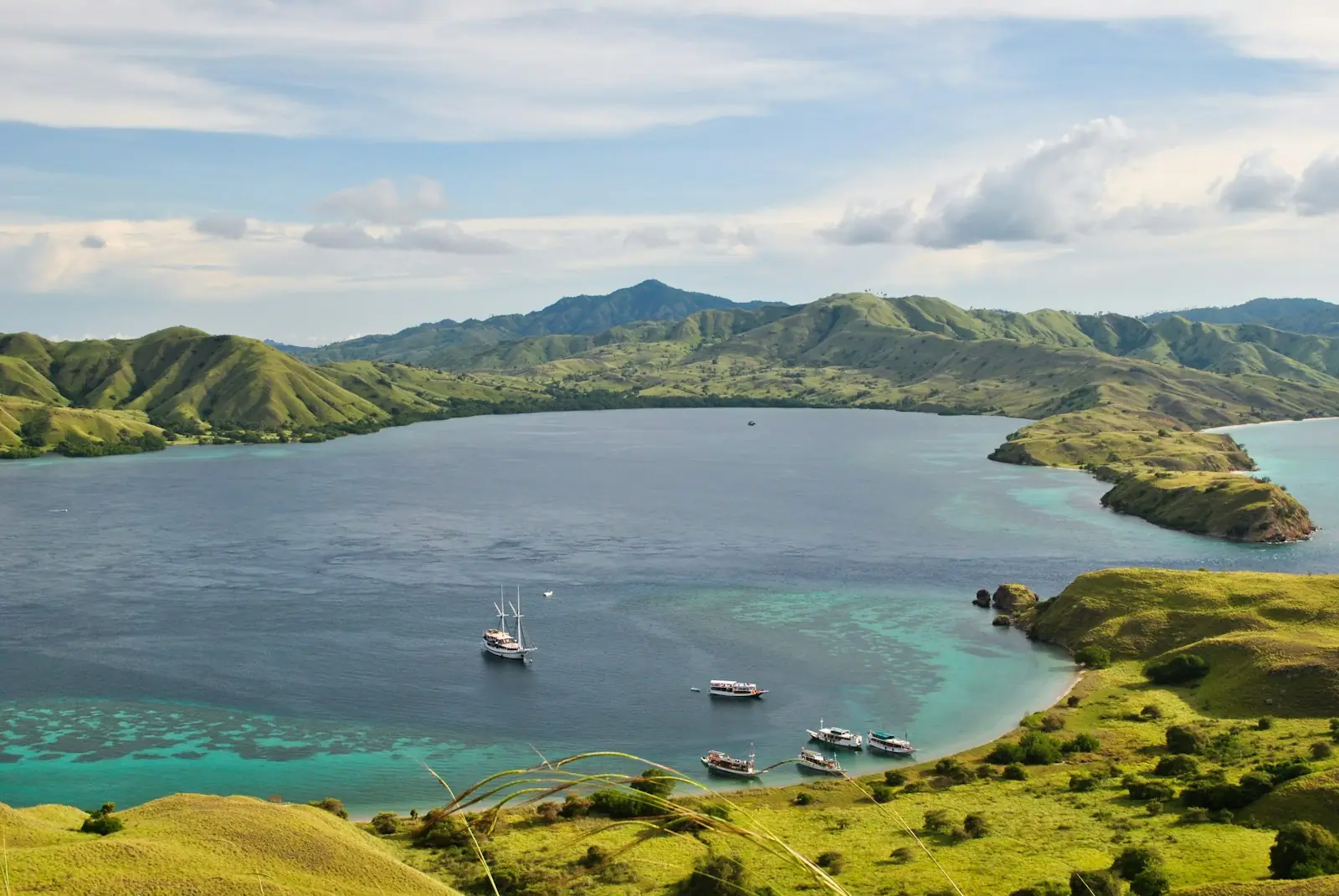
white boat on sea near green mountains during daytime

Diving in Sumbawa: Moyo, Saleh Bay & Sangeang

Diving in Sumbawa: Moyo, Saleh Bay & Sangeang

Good to know: Lombok Diving is operated by Komodo Luxury, a real award-winning Indonesian liveaboard operator (TripAdvisor Travelers’ Choice 2022–2025, founded 2015, part of Juara Holding Group Limited). Dive-site depths, seasons and conditions are indicative and vary; advanced sites such as Belongas Bay (hammerheads) and the strong-current sites of Komodo need the right certification. Marine life — mantas, hammerheads, whale sharks — is seasonal and wild, and can never be guaranteed. Prices are indicative ranges, by quote, and vary by season, vessel, cabin and itinerary. Enquiries and booking via WhatsApp +62 811-3823-875 and sales@komodoluxury.com.

Sumbawa diving means the reefs, walls and volcanic slopes between Lombok and Komodo: Moyo Island’s coral walls, Saleh Bay’s whale-shark rich fish farms, and Sangeang’s black-sand slopes. For most divers this is the quiet, wild leg on a liveaboard route, not a single-resort destination.

This page is operated by Lombok Diving for Komodo Luxury — a real Indonesian liveaboard operator (TripAdvisor Travelers’ Choice 2022–2025, founded 2015, part of Juara Holding Group Limited, licensed KBLI 79120 and based in Denpasar, Bali). Komodo Luxury owns and operates two luxury phinisi yachts, Komodo Signature and Komodo Prestige, running liveaboard itineraries across Lombok, Bali, Sumbawa, Komodo, Labuan Bajo and Raja Ampat.

As Lombok and Gili dive specialists, we use that local knowledge to move divers onto serious liveaboard cruises — including Sumbawa’s best, quieter sections — with safety, seasons and marine life explained honestly.

All depths, conditions and seasons below are indicative. Currents, visibility and boat schedules change week to week. Advanced sites and shark-heavy areas need the right certification and recent experience. Marine life is seasonal and wild: mantas, hammerheads and whale sharks are never guaranteed on any trip.


Sumbawa diving: where it fits in an Indonesia dive trip

Sumbawa sits between Lombok and Komodo. For divers, it’s three main zones:

  • Moyo Island – coral slopes and walls off a low-key island north of Sumbawa Besar.
  • Saleh Bay – calm inland bay known for whale sharks feeding around fishing platforms.
  • Sangeang Api – an active volcano off Sumbawa’s northeast coast, famous for black-sand and critter-rich “volcano dives”.
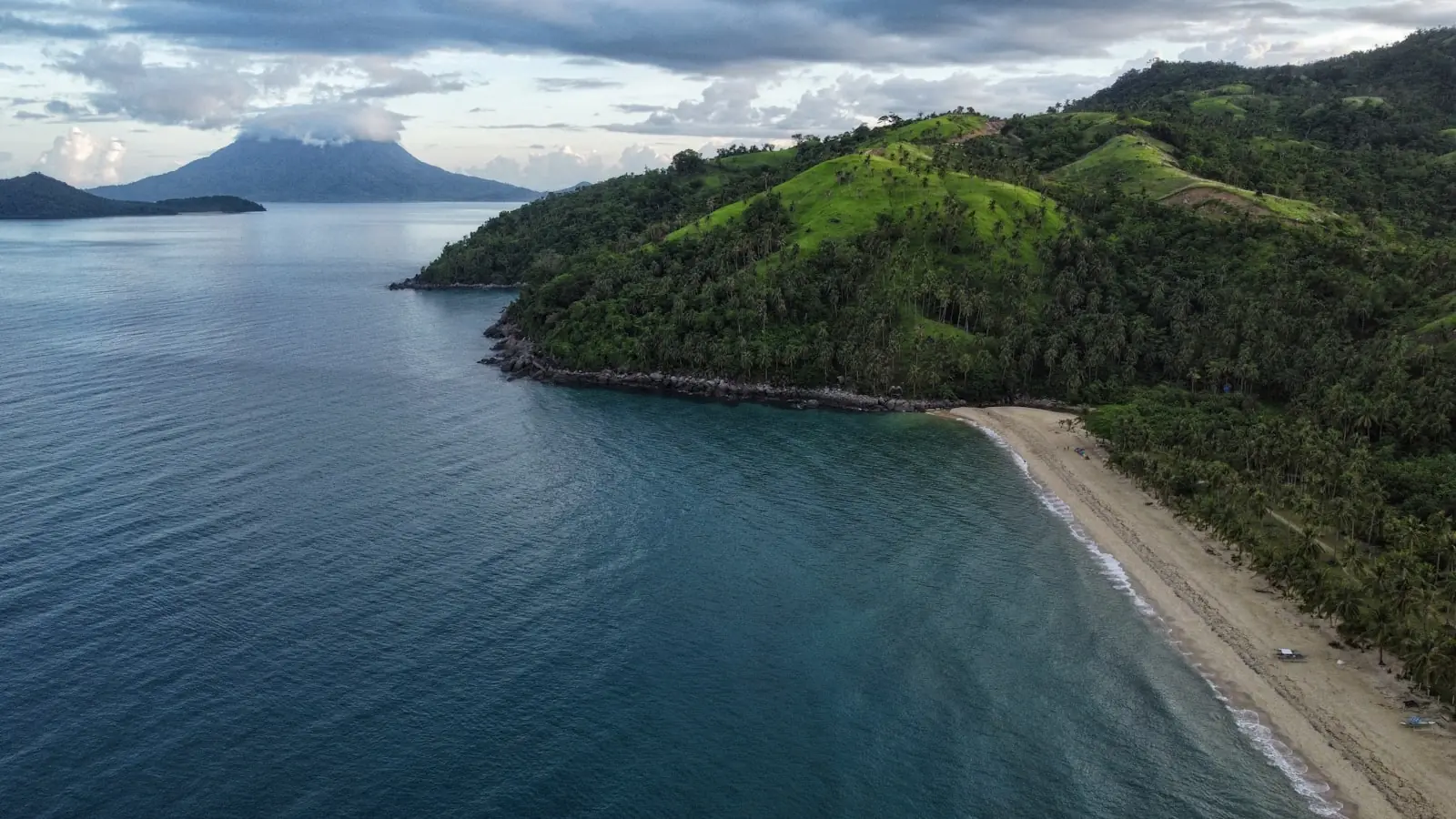
You can base yourself on Sumbawa, but most experienced divers see it as part of a longer Lombok–Sumbawa–Komodo liveaboard. That’s how we usually run it: depart Bali or Lombok, cross via Sumbawa, then into Komodo National Park and onward to Labuan Bajo.

For details on the full crossing, see our dedicated page: Lombok to Komodo liveaboard.


Core Sumbawa dive areas at a glance

Below is a high-level comparison of the three main Sumbawa diving zones we most often visit on liveaboards. Site detail and exact profiles are always operator- and condition-dependent.

Area Typical Environment Indicative Depth Range* Difficulty Main Highlights Common Access
Moyo Island Reef slopes & walls, coral gardens 5–30 m Easy–Intermediate Healthy reef, schooling fish; good for reef dives & refreshers Liveaboard transit, limited local resorts
Saleh Bay Calm bay, fish farm platforms Surface–10 m (often snorkel) Easy (conditions/boat dependent) Seasonal whale shark encounters at “bagan” platforms Liveaboard day trips & specialised whale shark boats
Sangeang Api Volcanic black sand, slopes, pinnacles 5–30 m Intermediate (potential current) Critter hunting, “bubble” sand, dramatic volcanic scenery Liveaboard as part of Komodo crossings

*Depths are indicative bands, not fixed profiles. Actual maximum depths depend on the exact site, conditions and your certification level.


Moyo Island diving: reef walls and quiet coral slopes

What to expect at Moyo Island

Moyo Island lies off Sumbawa’s north coast. It is far quieter than Bali or the Gilis: a forested island with a handful of small accommodations and one high-end resort.

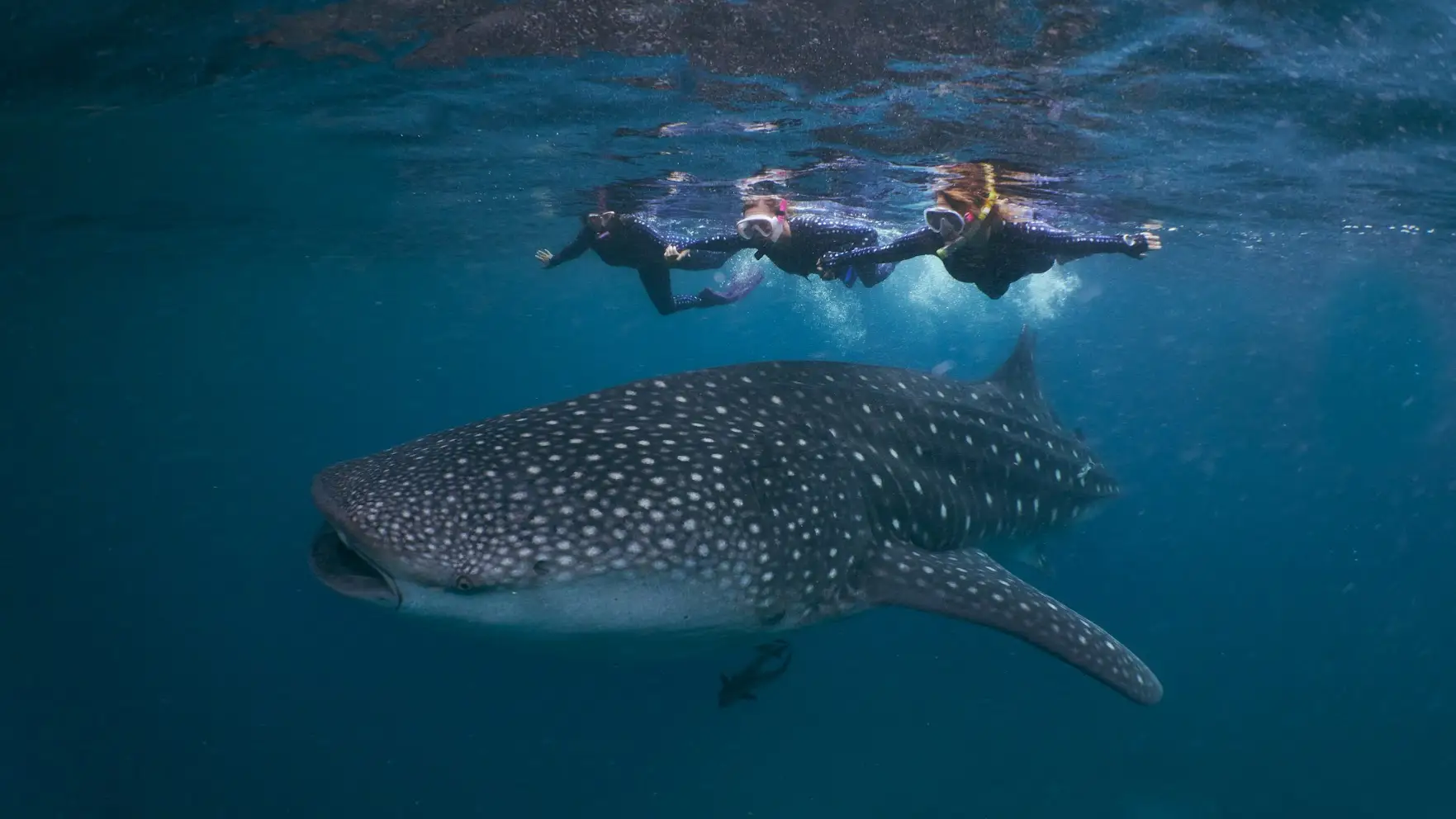
Underwater, Moyo Island diving usually means:

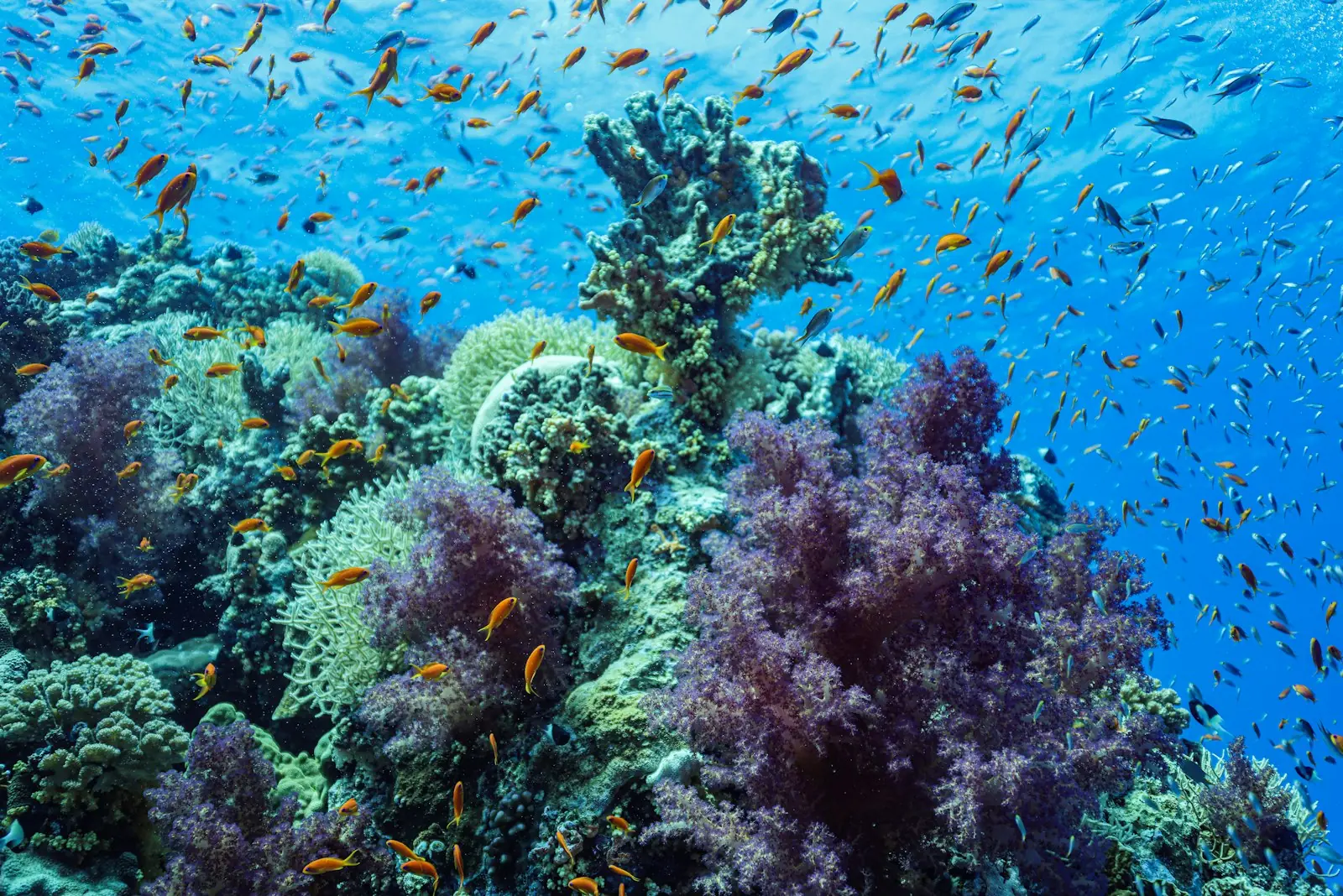
  • Fringing coral reefs dropping onto slopes or walls
  • Healthy hard and soft corals in the shallows
  • Sponges, sea fans and schooling reef fish
  • Generally manageable currents compared to Komodo’s “washing machines”

Visibility is often good in the dry season, but it can shift quickly with wind, rain run-off and plankton. Don’t expect Raja Ampat biomass; think solid, healthy Indo-Pacific reef diving in a quiet area with far fewer boats than Bali or Komodo’s central sites.

Certification level and dive styles on Moyo

Moyo works for a broad range of divers:

  • Certification: Open Water and above. Advanced Open Water is helpful if you want to spend more time around 25–30 m, but not mandatory for every site.
  • Difficulty: Mostly easy to intermediate, with some current on exposed corners.
  • Dive types:
  • Reef check-out dives at 10–18 m
  • Wall or slope dives down to recreational limits
  • Night dives in sheltered bays (macro life, crustaceans, hunting lionfish).

For new or rusty divers, Moyo can be a calm first “open sea” experience before you tackle tougher areas such as Komodo’s current-heavy channels or Lombok’s Belongas Bay.

Marine life around Moyo Island

Marine life is typical of Indonesian coral reefs:

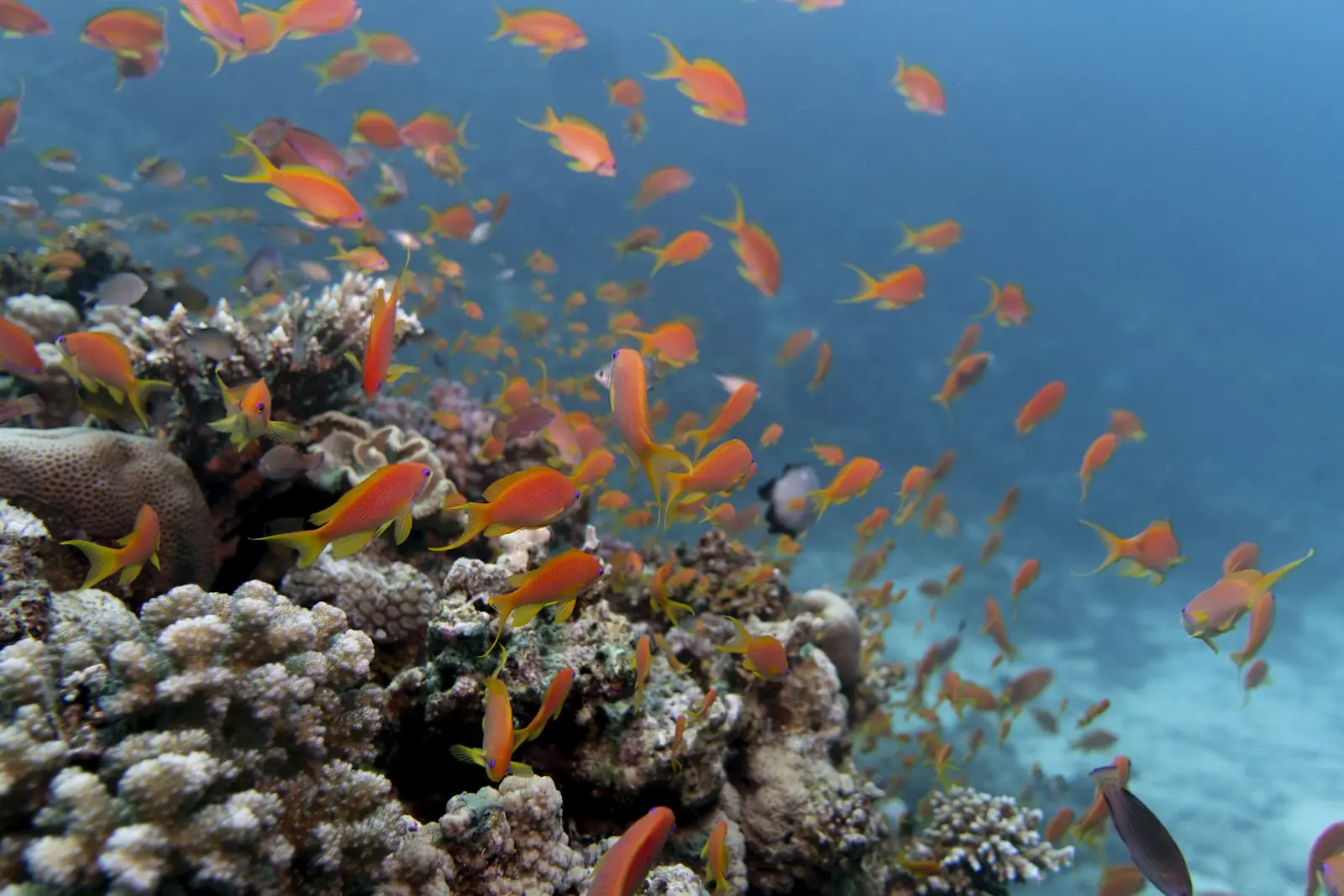
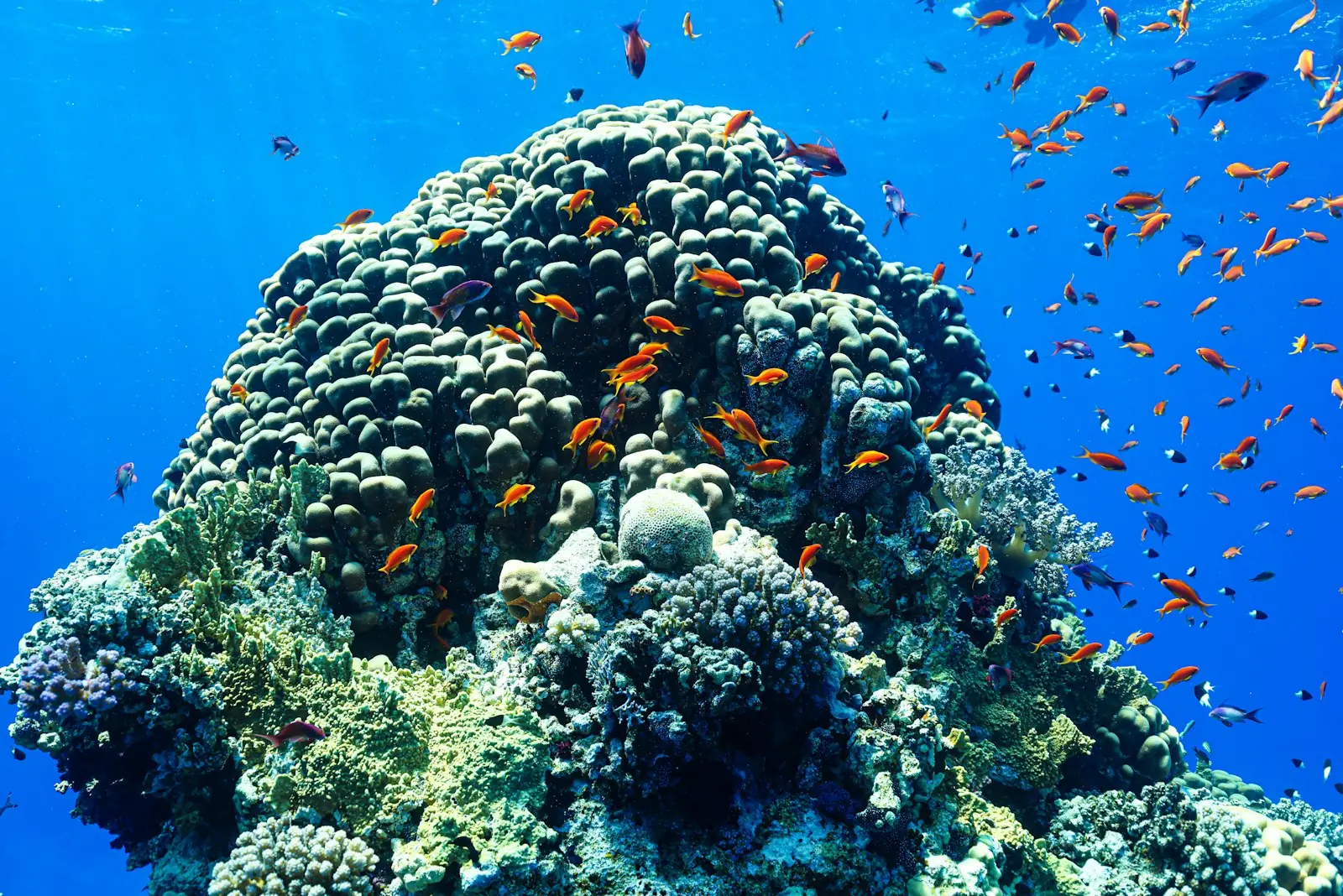
  • Anthias clouds over hard coral heads
  • Surgeonfish, fusiliers, snappers and occasional trevallies
  • Moray eels, lionfish, scorpionfish
  • Turtles, depending on the day and site
  • Macro: nudibranchs, shrimps and crabs on night dives.

Big pelagic encounters are less common than in Komodo. You may see tunas or an eagle ray glide past, but you do not come to Moyo expecting mantas or threshers on demand.

How Moyo fits into a liveaboard route

On a Lombok–Sumbawa–Komodo liveaboard, Moyo is often:

  • A beginning-of-trip reef warm-up if you depart from Bali or Lombok and head east.
  • Or a decompression from heavy current diving on the way back from Komodo to Lombok/Bali.

The exact sites and number of dives around Moyo depend on:

  • Weather and sea state
  • Trip direction and timing
  • Your group’s experience and preferences.
If you want specific focus on Moyo, mention it when you plan your trip with us via WhatsApp or email so we can match itineraries.


Saleh Bay whale sharks: how Sumbawa does big fish

Where are the whale sharks in Sumbawa?

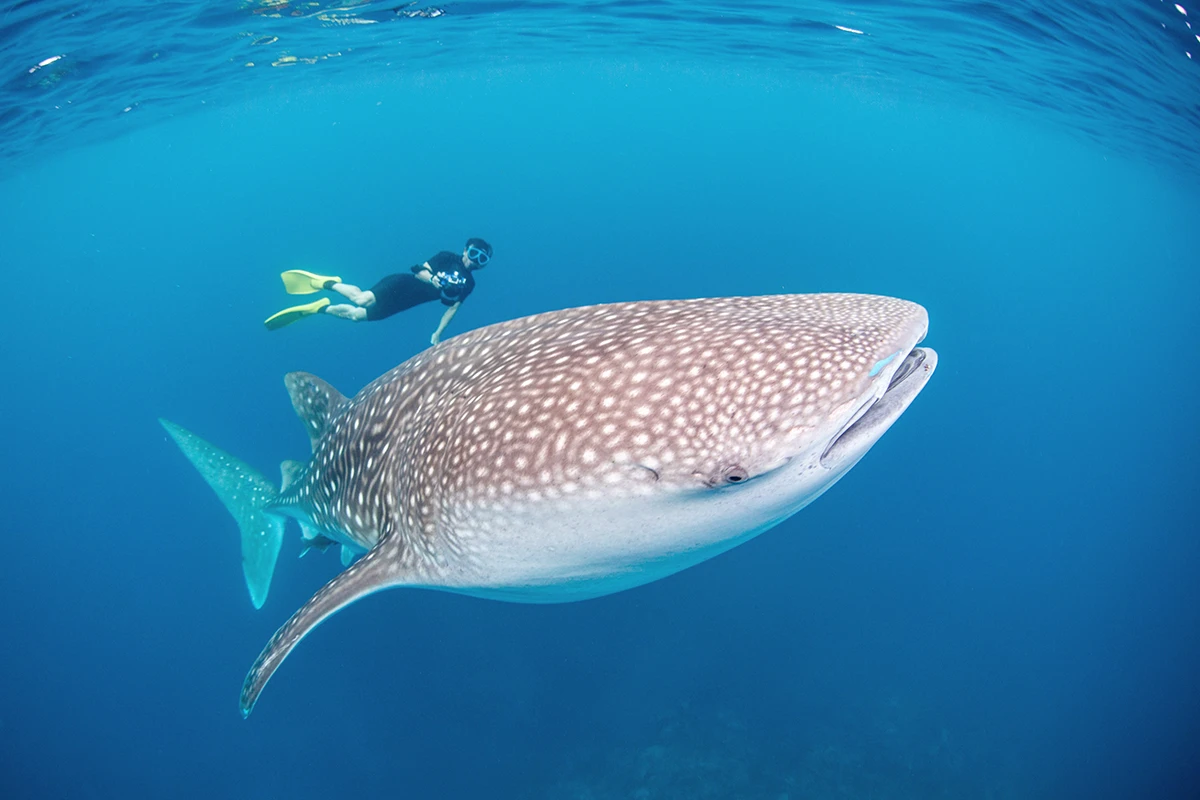
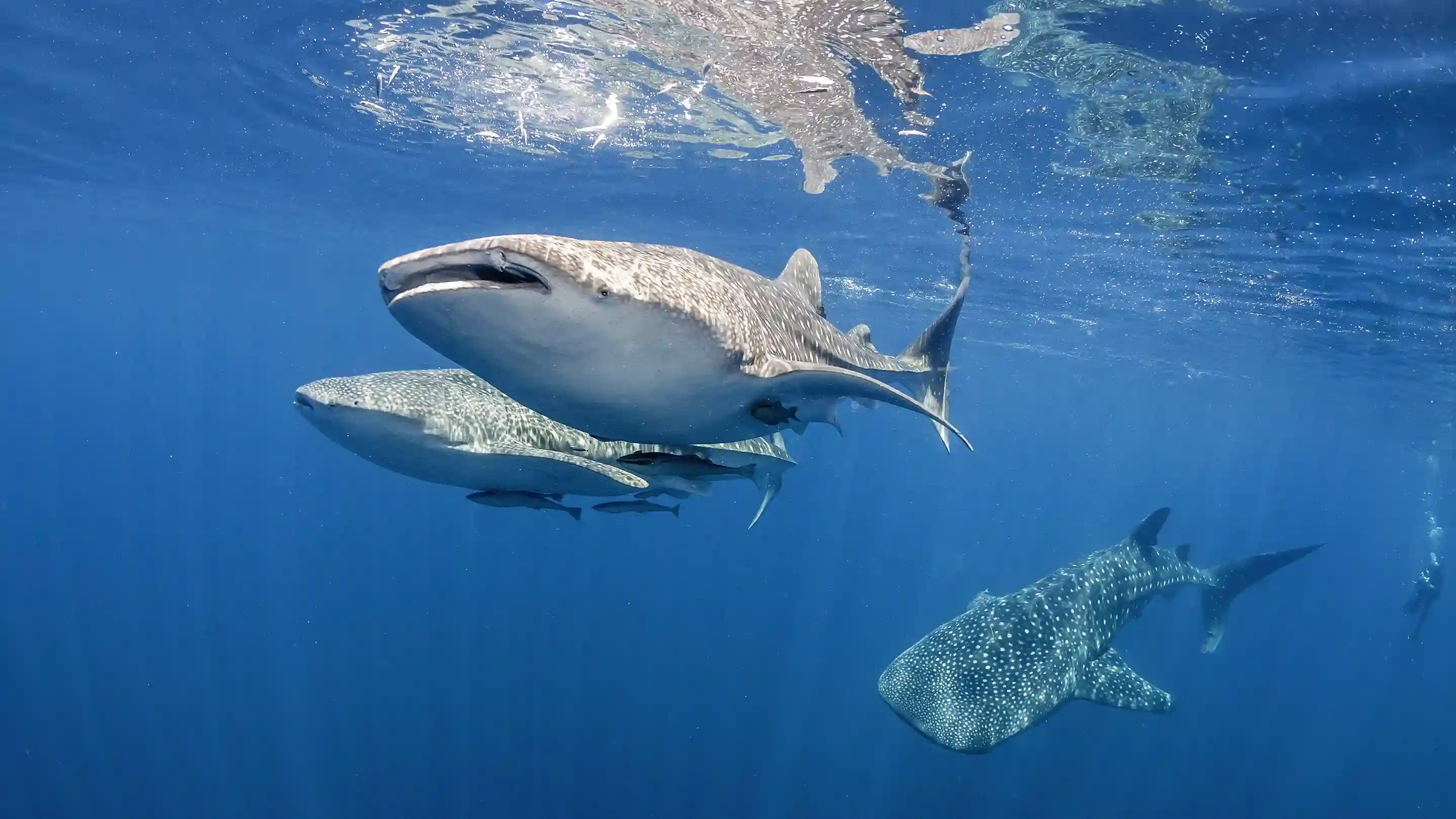
The Saleh Bay whale shark experience happens inside a large bay along Sumbawa’s northern coastline. Local fishing platforms, known as bagan, attract plankton and small fish under their lights at night. Whale sharks sometimes visit these platforms to feed on by-catch and bait.

Most operators run dawn to morning sessions:

  • Boat ties up near a bagan
  • You enter the water by snorkel or lightly weighted freediving
  • Some trips may allow shallow scuba, but many focus on surface interaction for flexibility and safety.

Whale sharks move in and out of the bay. This is not an aquarium or fixed feeding station, so numbers and size classes vary.

Can you dive with the whale sharks or just snorkel?

Both are technically possible, but in practice:

  • Snorkel / freedive:
  • Works for all certified divers and non-divers
  • Quick entry and exit if sharks move or current picks up
  • Less equipment, easier to adapt to bagan layout.

  • Scuba:

  • Sometimes offered by certain boats, usually shallow (often above 10 m) and close to the platforms
  • Requires careful coordination with boat traffic and fisherman activity
  • Visibility and surge can make buoyancy and positioning more work than people expect.

For most of our guests, surface-based time is enough. You’re following the whale shark in three dimensions, not sitting on a sand patch at 18 m. Fins, mask and snorkel are normally the most practical kit.

Seasonality and guarantees

Whale sharks in Saleh Bay are:

  • Present year-round in theory, but actual encounter rates vary with:
  • Local fishing activity
  • Plankton density
  • Weather and sea conditions.

Some months see higher reported encounters, but no responsible operator can guarantee whale sharks in Saleh Bay on specific dates. We treat every trip as a chance, not a promise.

If whale sharks are a priority, tell us early. We can advise on:

  • Itineraries that include Saleh Bay vs. more Komodo time
  • The trade-off between spending extra days chasing whale sharks vs. other dives such as Castle Rock or Mawan in Komodo.

Safety and ethics around whale sharks

We follow typical best practice around large pelagics:

  • No touching, grabbing or riding
  • Stay out of the shark’s path; let them approach or pass
  • No flash photography in their faces
  • Respect the fishermen’s working space on the platforms.
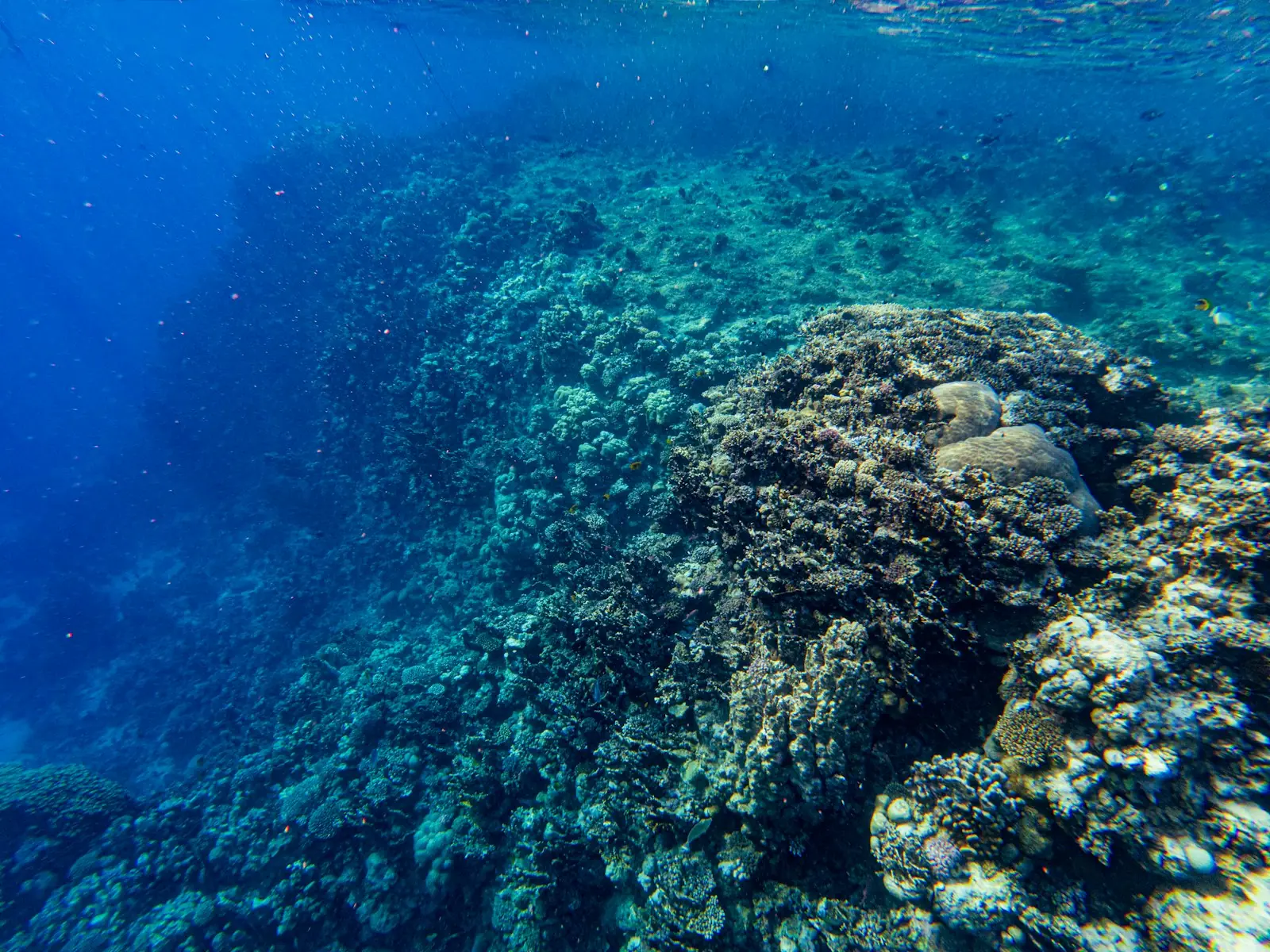
Strong fins, good surface swimming ability and situational awareness matter. Even shallow, calm water can become chaotic around excited groups and large animals, so basic water confidence is essential.


Sangeang: black-sand volcano diving off Sumbawa

What is Sangeang?

Sangeang Api is an active volcanic island off northeastern Sumbawa, between the main island and Komodo region. From a liveaboard, you’ll see:

  • Steep, dark green volcanic slopes
  • Black and dark grey sand beaches
  • Smoke or steam plumes from the volcano, depending on activity.

Underwater, Sangeang is famous among underwater photographers for:

  • Black-sand slopes dotted with sponges and coral outcrops
  • “Volcano bubbles” — streams of gas rising from the sea floor in places
  • Critter-rich habitats appealing to macro shooters.

What does Sangeang diving feel like?

Sangeang diving is more about contrast and detail than massive fish schools:

  • Bottom type: Black sand and fine volcanic sediment highlight colourful nudibranchs, shrimps and small fish.
  • Structure: Slopes, small pinnacles, scattered coral heads; some sites have mini walls or ridges.
  • Conditions:
  • Visibility can swing from average to very good
  • Currents range from mild to moderate; certain corners can accelerate.

On many routes, Sangeang breaks up your Komodo trip: a day of muck-and-macro style diving after high-energy drifts with big schools and, if you’re lucky, mantas.

Certification level and who enjoys Sangeang

  • Certification: Open Water is usually enough for the easier sites; Advanced Open Water helps if the group chooses slightly deeper or more current-exposed spots.
  • Difficulty: Intermediate overall due to possible current and need for good buoyancy over sensitive black sand.
  • Ideal for:
  • Photographers who like wide-angle over volcano bubbles and macro on black sand
  • Divers who have already done a lot of reefs and want something visual and different.

Hovering well above the bottom is critical. Kicking up a silt cloud ruins photos and can impact delicate micro-habitats.


Sumbawa in the bigger picture: Lombok, Komodo and beyond

Lombok & the Gilis: your starting point

Lombok Diving’s home base is Lombok and the Gili Islands, where the majority of our guests start:

  • Gili Trawangan, Gili Air and Gili Meno – easy to intermediate reef dives, turtles, relaxed currents most days.
  • South Lombok (Kuta area) – seasonal swell, some more exposed reefs.
  • Belongas Bay – home of “The Magnet” and “The Cathedral”, advanced dives with heavy current and swell risk, where we only take divers with strong experience and appropriate certification, especially in the approximate July–September hammerhead season.

From here, we connect you onto Komodo Luxury liveaboards that cross via Sumbawa or sail directly to Komodo and Raja Ampat.

Komodo: powerful currents, world-class sites

Komodo National Park is well-publicised for good reason:

  • Strong tidal exchanges
  • Nutrient-rich waters
  • Big schools of fish, sharks and, in certain seasons, mantas.

It is not an entry-level destination. Many Komodo sites demand:

  • Advanced Open Water (or equivalent)
  • Comfort with negative entries and fast descents
  • Experience in moderate to strong current, sometimes with down-currents and eddies.

We screen divers before placing them on Komodo itineraries that include current-heavy sites such as Castle Rock, Crystal Rock, or Batu Bolong. Less experienced divers can still enjoy more sheltered Komodo reefs and manta-cleaning stations, but site choice must match reality, not social media.

Raja Ampat and eastern Indonesia

Beyond Komodo, Raja Ampat and other eastern Indonesian regions offer:

  • High biodiversity coral reefs
  • Mangroves, seagrass, and complex reef-scape dives
  • Seasonal trips that require more time and budget.

Komodo Luxury’s Komodo Signature and Komodo Prestige rotate between these areas through the year on longer itineraries. Sumbawa is one chapter in that wider story, usually as part of crossings and repositioning routes.

If you want to build a path from Lombok training and day dives to a multi-region liveaboard including Sumbawa, Komodo and potentially Raja Ampat, reach us via WhatsApp on +62 811-3823-875 or plan your trip and we’ll map a progression that matches your skill level.


Courses, certification and safety for Sumbawa diving

Who is Sumbawa suitable for?

The Sumbawa areas above break down roughly as:

Moyo Island
Good for Open Water and above. A gentle step up from Gili Islands-style diving.
Saleh Bay (whale sharks)
Surface snorkelling works for non-divers and divers alike. Basic water confidence and fin use required. Scuba, where offered, suits Open Water and above, but is not essential.
Sangeang
Intermediate divers with solid buoyancy control. Photographers or macro fans get the most from it.

We normally encourage new divers to:

  1. Complete Open Water and a few fun dives in Lombok/Gilis first.
  2. Add Advanced Open Water (or equivalent) if you plan to move on to Komodo currents soon after.
  3. Use Sumbawa as an intermediate stepping stone before the full power of Komodo’s high-flow sites.

Safety mindset and conditions

Core realities we are upfront about:

  • Currents shift daily. Calm yesterday does not mean calm tomorrow.
  • Access and time on each site vary by itinerary. Captains and cruise directors adjust for weather, tide and the group.
  • Emergency response is limited. You are far from large hospitals in parts of Sumbawa, so conservative profiles and surface-interval discipline matter even more.

On Komodo Luxury liveaboards, we work with:

  • Briefings that match your actual experience, not your holiday ambitions.
  • Grouping divers by skill level where possible.
  • Clear “no-go” calls if conditions don’t match safe operating parameters for the group.

If you’re unsure whether Sumbawa plus Komodo is appropriate for your current logbook and comfort, share your cert level, number of logged dives, and last-dive date when you plan your trip. We would rather redirect you to easier routes than push you into current-heavy diving too early.


Liveaboards around Sumbawa: what to expect
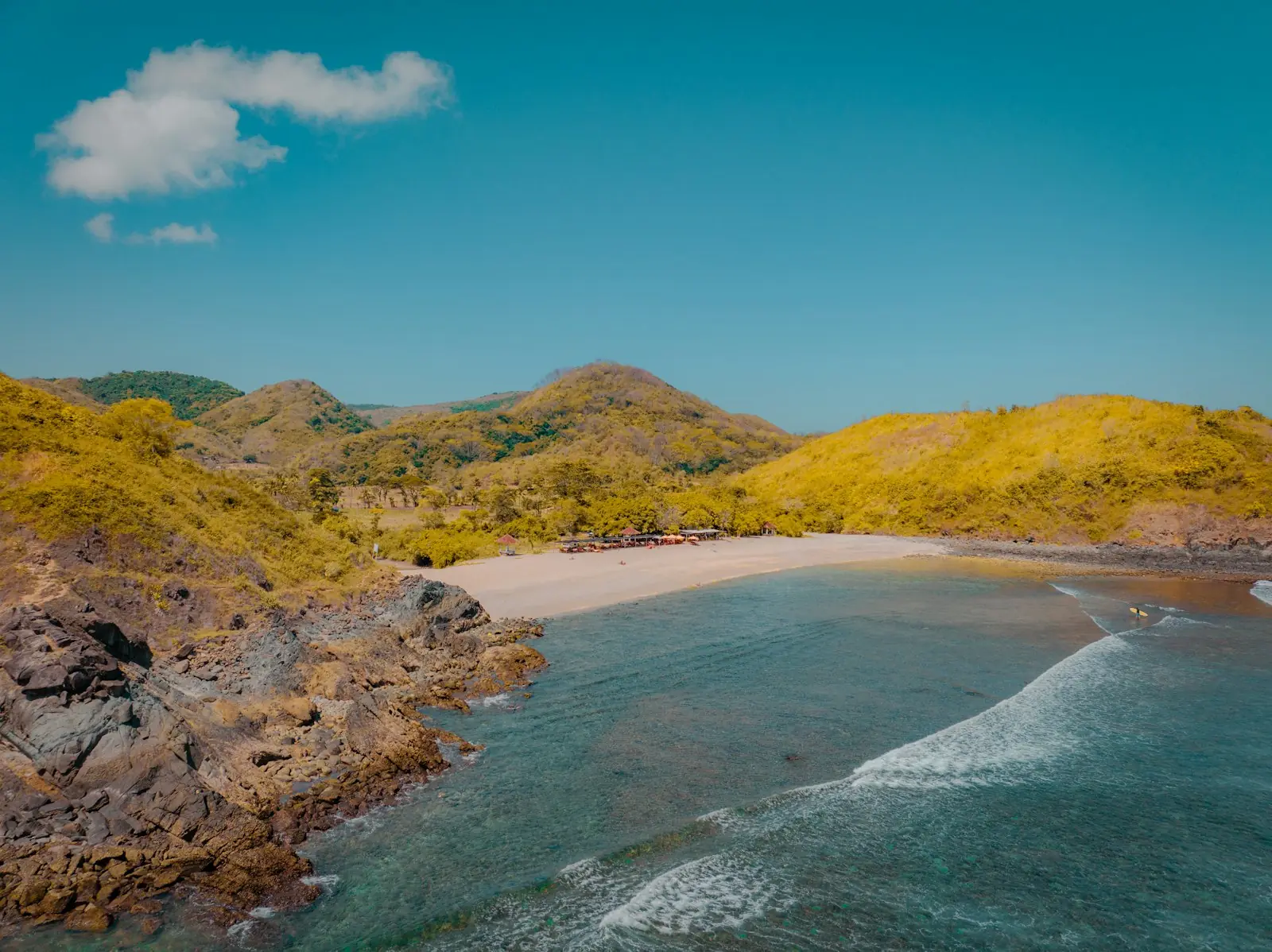
Komodo Luxury fleet and routes

Komodo Luxury operates two owned luxury phinisi liveaboards:

  • Komodo Signature
  • Komodo Prestige

Both are traditional Indonesian wooden yachts refitted for modern comfort, offering:

  • En-suite cabins
  • Dedicated dive decks and equipment spaces
  • Nitrox on many trips (confirm when enquiring)
  • Shared and full-charter options on select dates.

Sumbawa sections are usually part of wider itineraries such as:

  • Lombok/Bali → Moyo/Saleh Bay/Sangeang → Komodo → Labuan Bajo
  • Labuan Bajo → Komodo → Sangeang/Sumbawa → Lombok/Bali

Exact routes shift by season, vessel positioning and demand.

Trip length and pricing

Indicative patterns (last verified June 2026):

  • 6–8 days – Common for Komodo-focused trips that might include Sangeang and/or a Sumbawa stop depending on conditions.
  • 8–12 days – Longer crossings that weave in more Sumbawa time, sometimes combined with other islands or extra Komodo days.

Indicative per-person ranges (variable by season, exact itinerary, cabin category and vessel):

  • Roughly USD 350–650 per person per night on Komodo Luxury’s vessels. Lower end usually shoulder season or standard cabins; upper end for peak season and higher cabin classes.

These are guideline bands, not fixed rates. For current pricing, promotions and cabin availability, contact us directly via WhatsApp +62 811-3823-875 or email sales@komodoluxury.com.


Planning your Sumbawa diving: practical tips

When to go

Sumbawa sits in a broad Indonesian seasonal pattern:

  • Drier months (approx. April–October):
  • Typically better surface conditions
  • Often better visibility, but local plankton blooms can change that.

  • Wetter months (approx. November–March):

  • More rain, sometimes reduced topside visibility
  • Certain marine life may be more active with plankton in the water.

Komodo Luxury adjusts itineraries and crossing dates according to broader regional conditions and fleet scheduling. We will give you an honest rundown of what to expect for your travel window, not just a generic “best month” line.

Gear and preparations

For Sumbawa liveaboard segments, we generally suggest:

  • Exposure suit: 3–5 mm full suit for most divers; some prefer a 5 mm if they get cold on repetitive dives.
  • Reef-safe sunscreen and a hat for long surface intervals.
  • DSMB and reel if you are certified to use one (we brief and assist onboard).
  • Camera rig if you’re into macro and black-sand shots at Sangeang.
If you don’t have personal gear, rental setups are available on Komodo Luxury boats. Tell us your sizes and preferences during booking so the crew can prepare.

How to integrate Sumbawa into your itinerary

Common patterns we see guests choose:

  • Lombok & Gilis (4–6 days) → Liveaboard via Sumbawa & Komodo (7–10 days)
  • Start with training and relaxed dives
  • Step up to Sumbawa
  • Finish with Komodo currents and big-fish sites.

  • Standalone Komodo liveaboard that happens to include Sangeang or Saleh Bay

  • Ideal if you’re already certified and experienced
  • Sumbawa becomes a varied “chapter” in the trip, not the sole focus.

Share your time window and goals via WhatsApp, and we can sketch an honest plan with realistic expectations on wildlife and conditions.


For tailored advice on Sumbawa diving, Komodo routes and how to connect from Lombok and the Gilis, contact our team at sales@komodoluxury.com, WhatsApp +62 811-3823-875, or plan your trip and we’ll respond with options based on real-time schedules and your certification level.


FAQs on Sumbawa diving

Can you dive in Sumbawa, or is it only for liveaboards?

You can dive Sumbawa from land-based operators, mainly around Moyo Island and parts of the north coast, but infrastructure is limited compared to Bali or Lombok. Most experienced divers see Sumbawa on a liveaboard that crosses between Lombok or Bali and Komodo, which gives more flexible access to Moyo, Saleh Bay and Sangeang in one itinerary.

Where are the whale sharks in Sumbawa?

The best-known place for whale sharks in Sumbawa is Saleh Bay, where large fish congregate seasonally around fishing platforms called bagan. Trips usually focus on snorkelling or shallow interaction near the surface. Encounters are never guaranteed and depend on local fishing activity, plankton levels and sea conditions.

What is Sangeang, and why do divers visit it?

Sangeang Api is an active volcanic island off northeastern Sumbawa. Divers visit Sangeang for black-sand slopes, volcanic “bubble” areas where gas seeps from the seabed, and rich macro life that shows up well against the dark substrate. It’s often included on liveaboard trips between Komodo and Sumbawa as a change of pace from classic reef and current dives.

Is Sumbawa on the standard Komodo liveaboard route?

Many, but not all, Komodo liveaboard itineraries include parts of Sumbawa such as Moyo, Saleh Bay or Sangeang, especially on crossings between Lombok or Bali and Labuan Bajo. Shorter Komodo-only trips starting and ending in Labuan Bajo may stay inside or near the park and skip Sumbawa entirely. Check the detailed route for your dates or ask us to recommend an itinerary.

Do I need to be an advanced diver for Sumbawa?

You don’t need to be advanced for all of Sumbawa. Moyo and Saleh Bay can work for Open Water divers and confident snorkellers; Sangeang and any strong-current sites are better for Advanced Open Water or equivalent with recent experience. If you’re combining Sumbawa with Komodo’s higher-energy sites, Advanced and solid current skills are strongly recommended.

Plan My Dive Trip
WhatsAppPlan My Trip
Scroll to Top