

Diving in Raja Ampat: Cape Kri, Misool & Best Dive Sites
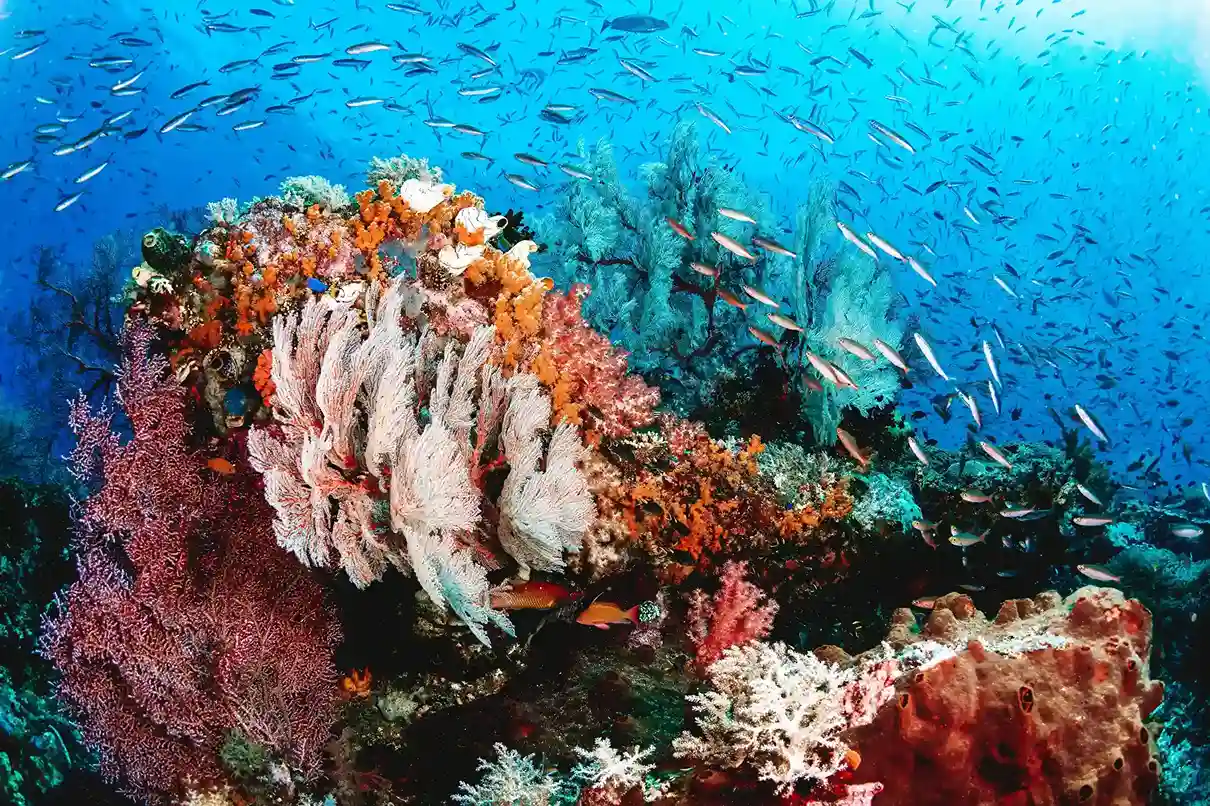
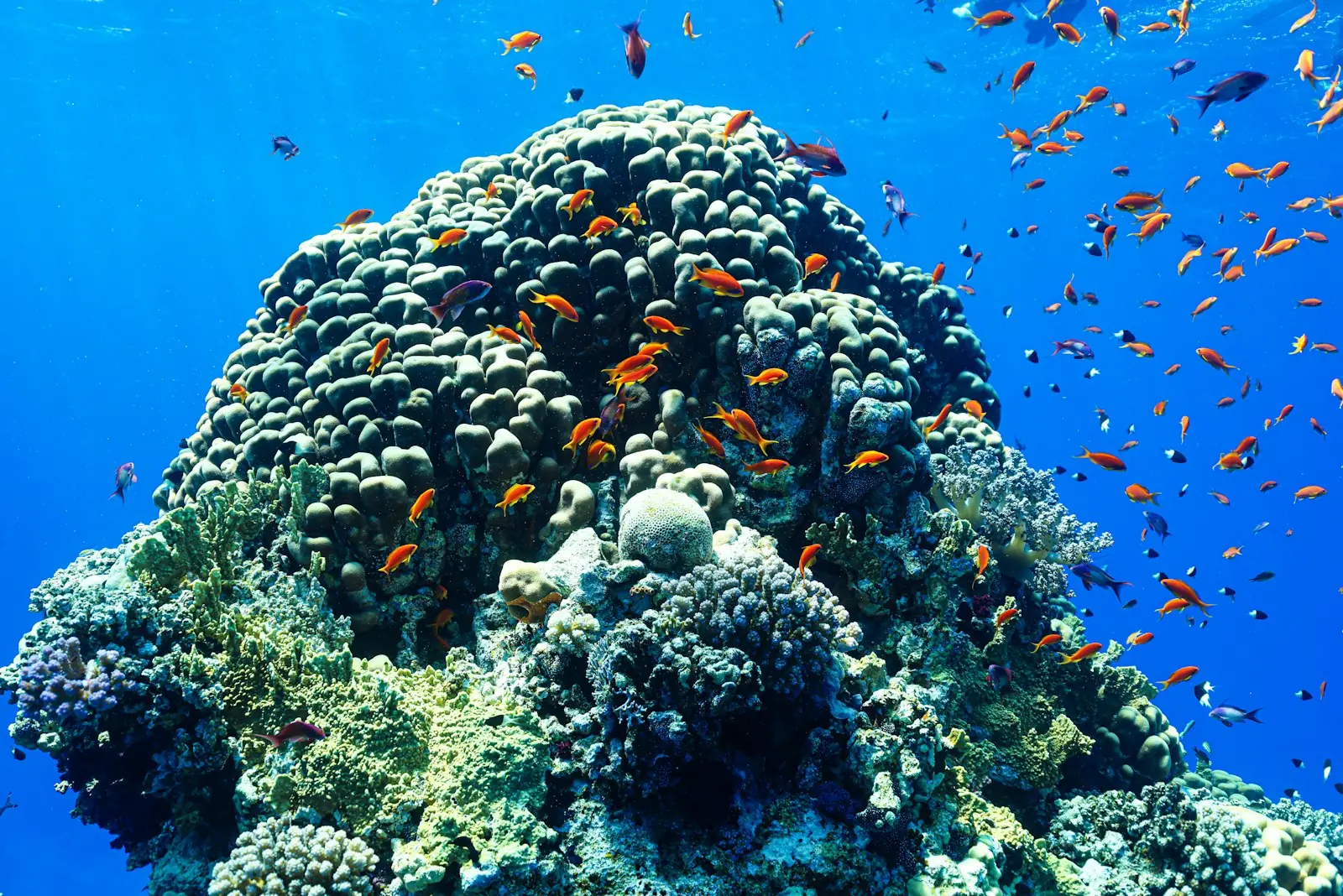
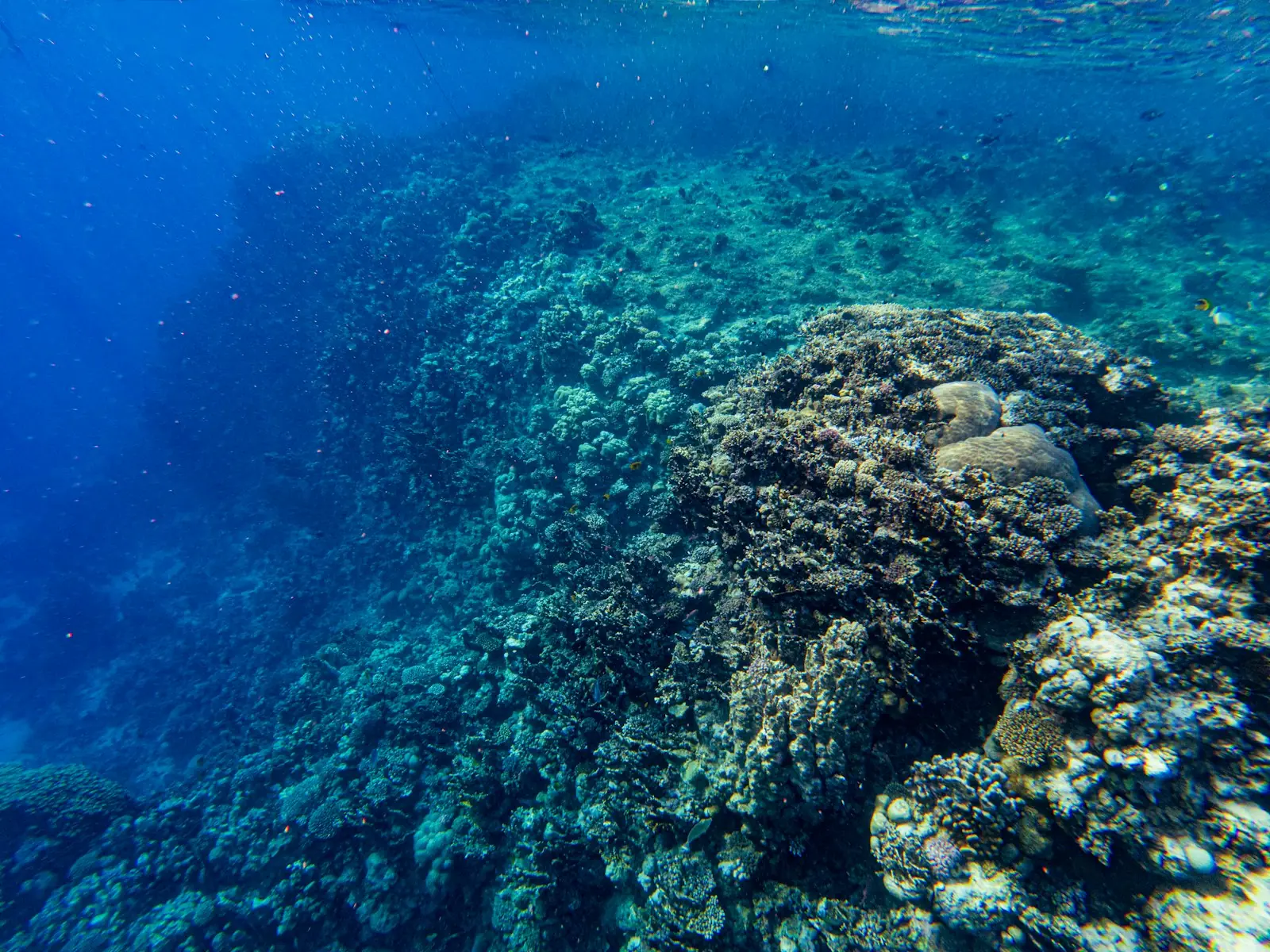
Raja Ampat diving means remote, fish-heavy reefs, strong currents, and some of the most biodiverse coral systems on the planet.
What Is Raja Ampat Diving Actually Like?
- Biodiversity: Peer‑reviewed surveys have recorded world‑leading reef fish and coral diversity here, especially around Cape Kri and Misool.
- Access: The best Raja Ampat dive sites are far from shore. Most serious itineraries are liveaboard-based, with a few resort-based exceptions around central Dampier Strait and Misool.
- Conditions: Expect currents, sometimes very strong. Many sites are drift dives. Good buoyancy, current management and SMB use are important.
- Visibility: Often good, but variable. Clearer in the drier months; plankton-rich water that draws mantas can reduce viz.
- Wildlife: Mantas, sharks and big schools of fish are regular in-season visitors, but they are wild animals. No operator can guarantee them on any given dive.
Good to know
- Operator
- Lombok Diving is operated by Komodo Luxury, a real award-winning Indonesian liveaboard operator (TripAdvisor Travelers’ Choice 2022–2025, founded 2015, part of Juara Holding Group Limited).
- Conditions
- Dive-site depths, seasons and conditions are indicative and vary; advanced sites such as Belongas Bay (hammerheads) and the strong-current sites of Komodo need the right certification.
- Marine Life
- Marine life — mantas, hammerheads, whale sharks — is seasonal and wild, and can never be guaranteed.
- Pricing
- Prices are indicative ranges, by quote, and vary by season, vessel, cabin and itinerary.
- Booking
- Enquiries and booking via WhatsApp +62 811-3823-875 and [email protected].
Key Raja Ampat Dive Sites at a Glance
Indicative only — depths, conditions and access can change by season, tides and operator routing. These descriptions are based on widely reported dive profiles and our own operational experience across Indonesia. They are not a substitute for detailed briefings on the boat.
| Dive Site | Area | Typical Profile & Conditions | Main Highlights | Recommended Minimum Level |
|---|---|---|---|---|
| Cape Kri | Dampier Strait | Reef slope and plateau; strong currents common; often dived as a drift. | Record reef fish diversity recorded in scientific surveys; large schools of snapper, fusiliers, jacks; reef sharks. | Advanced Open Water or equivalent, confident in current. |
| Blue Magic | Dampier Strait | Offshore seamount; mid-water descents/ascents; exposed to current and swell. | Pelagic action: trevally, tuna, barracuda; reef sharks; occasional manta and mobula rays. | Advanced Open Water; good buoyancy and gas management. |
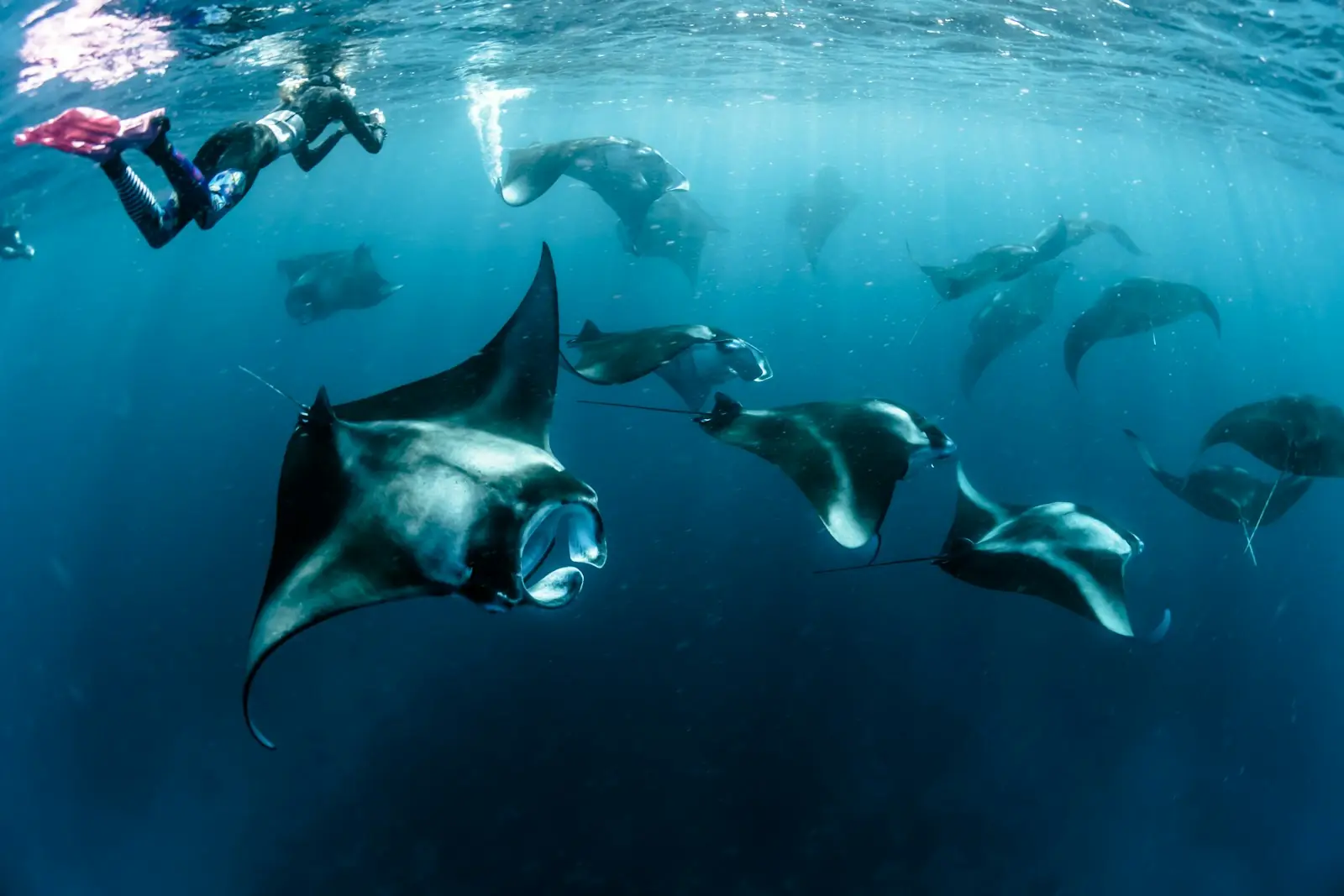
| Manta Sandy | Dampier Strait | Relatively shallow cleaning station; currents vary with tide; often a “stay-put” dive. | Reef manta cleaning behaviour in season; schooling fish; sand patches and bommies. | Open Water comfortable in light–moderate current; better with some experience. |
| Misool Reefs | Southern Raja Ampat | Maze of pinnacles, walls and ridges; currents range from mild to strong; usually multiple dives per site cluster. | Dense soft corals and sea fans; high fish biomass; pygmy seahorses and critters plus big schools. | Advanced Open Water recommended; photographers appreciate good trim and control. |
| Melissa’s Garden | Near Fam / Penemu | Shallow hard-coral gardens with surrounding reef; currents can be present but usually manageable. | Extensive hard-coral fields with high juvenile fish density; good for wide-angle. | Open Water or above; ideal for mixed-experience groups. |
| Arborek Jetty | Arborek Village, Dampier Strait | Jetty dive; usually shallow; currents along the reef edge depending on tide. | Large schools under the jetty; macro along the slope; cultural stop at the village topside. | Open Water friendly; good for photographers and newer divers with supervision. |
All profiles and conditions are indicative. Local conditions on the day can differ significantly.
Raja Ampat Dive Regions: Dampier Strait vs Misool
Dampier Strait (North/Central Raja Ampat)
The Dampier Strait, between Waigeo and Batanta, is where many first‑time Raja Ampat liveaboards start. It has strong tidal flows that funnel nutrient-rich water through a relatively narrow passage, feeding very high fish biomass. Typical features:- High‑energy reefs and seamounts with schooling fusiliers, snappers, surgeonfish and barracuda.
- Cleaning stations for mantas (e.g., Manta Sandy, Manta Ridge) during the right plankton conditions.
- Shallow reefs and jetties suitable for less-experienced divers (Arborek Jetty, Sawandarek area).
- Night dives on sheltered slopes and jetties, with critters and schooling fish.
Misool (Southern Raja Ampat)
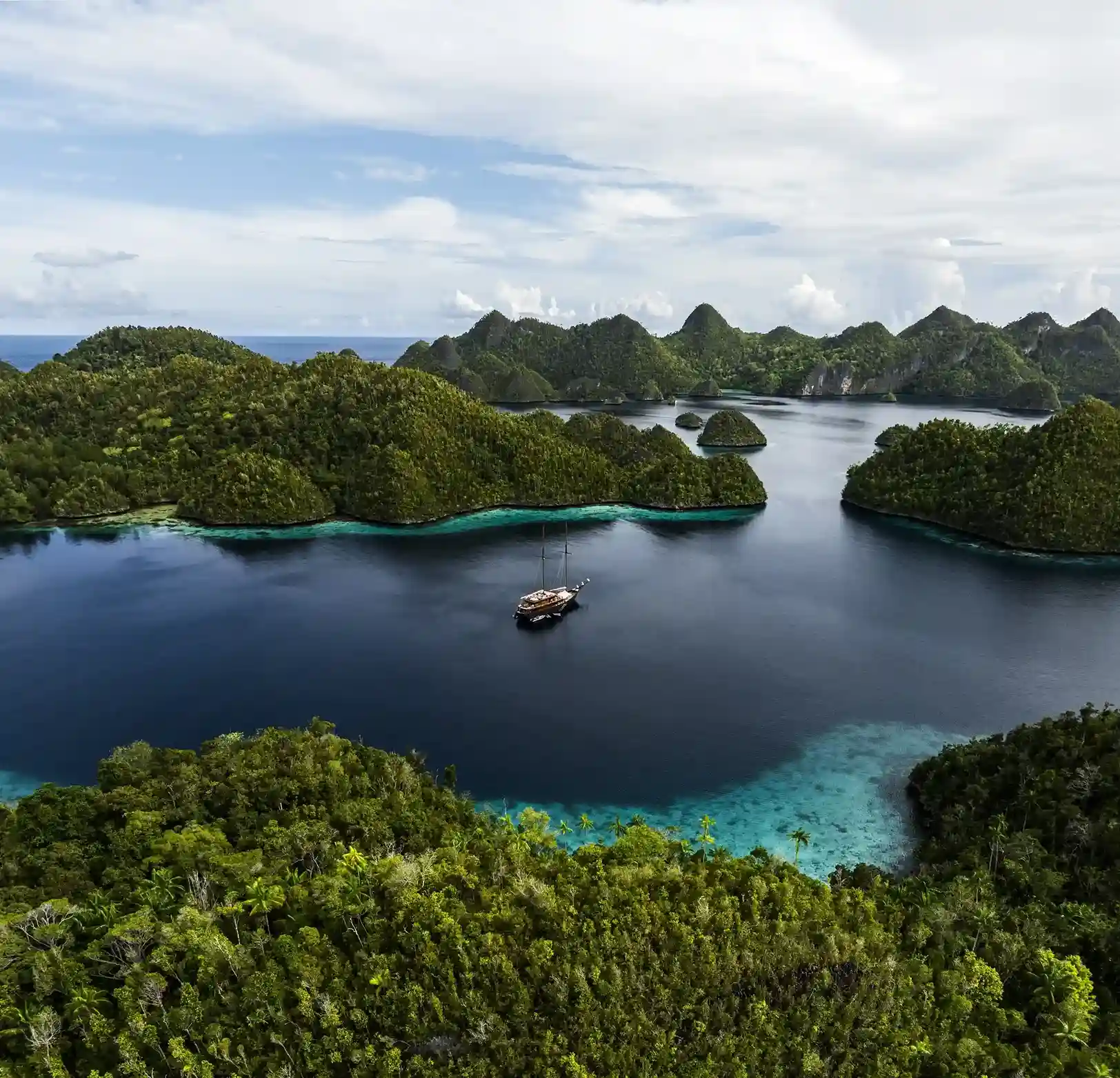
Misool is remote and largely accessed only by liveaboard or a handful of dedicated eco‑resorts. It is widely known for dense soft corals, sea fans and dramatic underwater topography. Misool diving typically includes:- Pinnacles and ridges covered in soft coral, sponges and fans.
- Caves and overhangs with interesting light and schooling glassfish.
- Macro life (pygmy seahorses, nudibranchs) against colourful backgrounds.
- Big fish — barracuda, jacks, reef sharks and seasonal pelagic visitors.

Headline Raja Ampat Dive Sites
Cape Kri: Record Fish Diversity
Cape Kri is one of Raja Ampat’s signature sites and a core part of many Dampier Strait itineraries. Scientific surveys published by marine biologists have reported exceptionally high numbers of reef fish species recorded on single dives here, making it famous for biodiversity. What to expect:- Topography: Sloping reef that transitions into a plateau or shelf, with channels and fingers where current accelerates.
- Current: Often strong. The site is usually dived according to tide, with entries adjusted so you can ride the current along the reef. On the wrong tide or with poor timing, it can be heavy going or uncomfortable.
- Marine life: Schools of snappers, fusiliers, surgeonfish and jacks. Common sightings of reef sharks. Turtles, batfish, and a dense background of smaller reef fish.
- Photography: Wide‑angle is the default. The challenge is dealing with current while framing shots.
- Advanced Open Water or equivalent is strongly recommended.
- You need to be comfortable with drift diving, staying close to your buddy and guide, with good gas and depth awareness.
Blue Magic: Pelagics on a Seamount
Blue Magic is an offshore seamount in the Dampier Strait area, known as a pelagic magnet. Typical characteristics:- Mid‑water descents and ascents — you often drop on a mooring or reference line and leave the surface quickly to avoid surface chop and current.
- Strong or variable currents wrapping around the seamount; can be an exhilarating but demanding dive.
- Fish life: Large schools of fusiliers and surgeonfish; big trevallies and tuna hunting; barracuda; reef sharks. Mantas and mobula rays can show up in plankton‑rich conditions, but they are not guaranteed.
- Depth range: Usually dived within recreational limits, but you can easily hit deeper water if you drift off the structure without awareness.
- Confident Advanced Open Water divers with good buoyancy, gas planning and comfort in mid‑water.
- Being comfortable deploying an SMB from depth is a major plus.
Manta Sandy: Manta Cleaning Station (Seasonal)
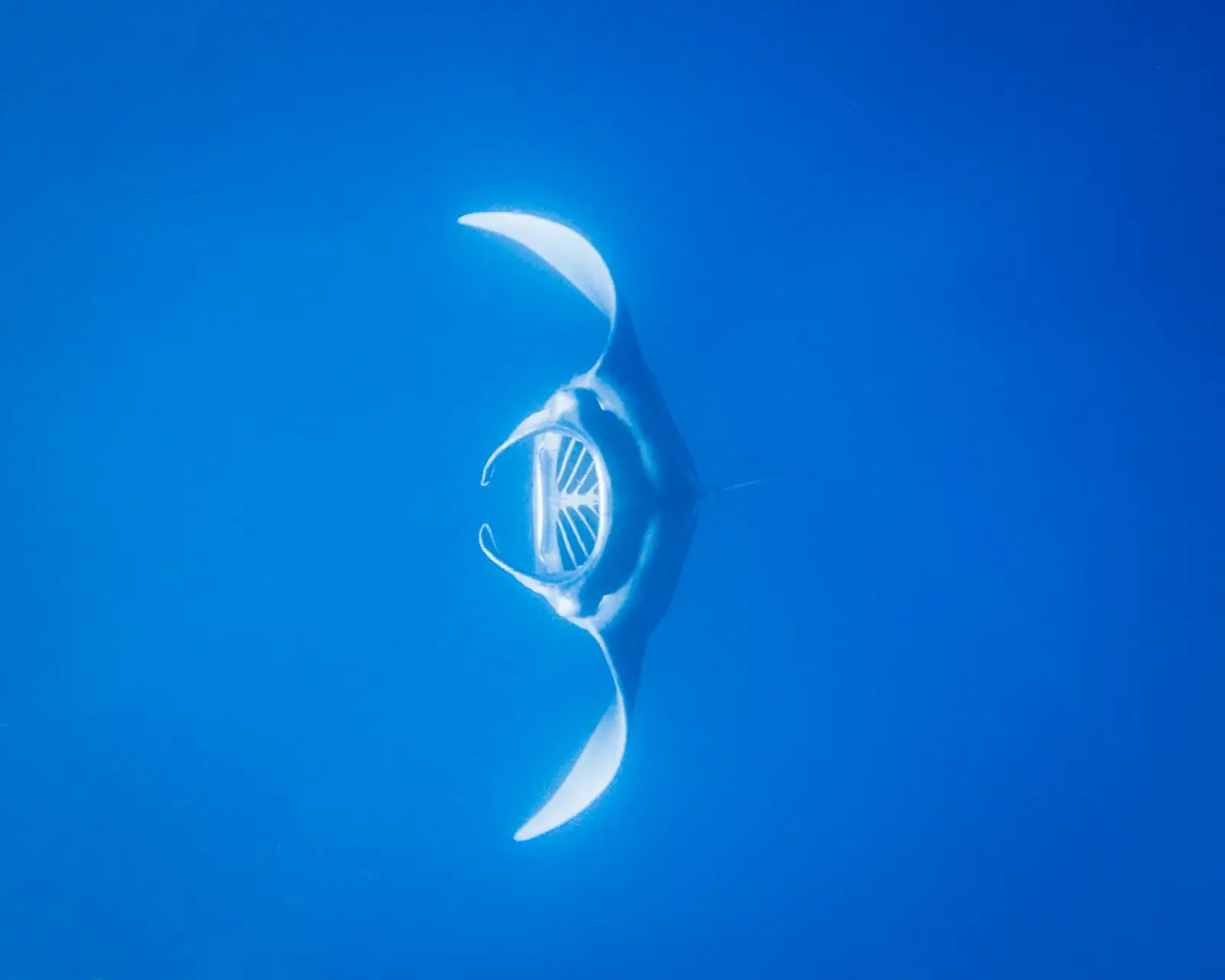
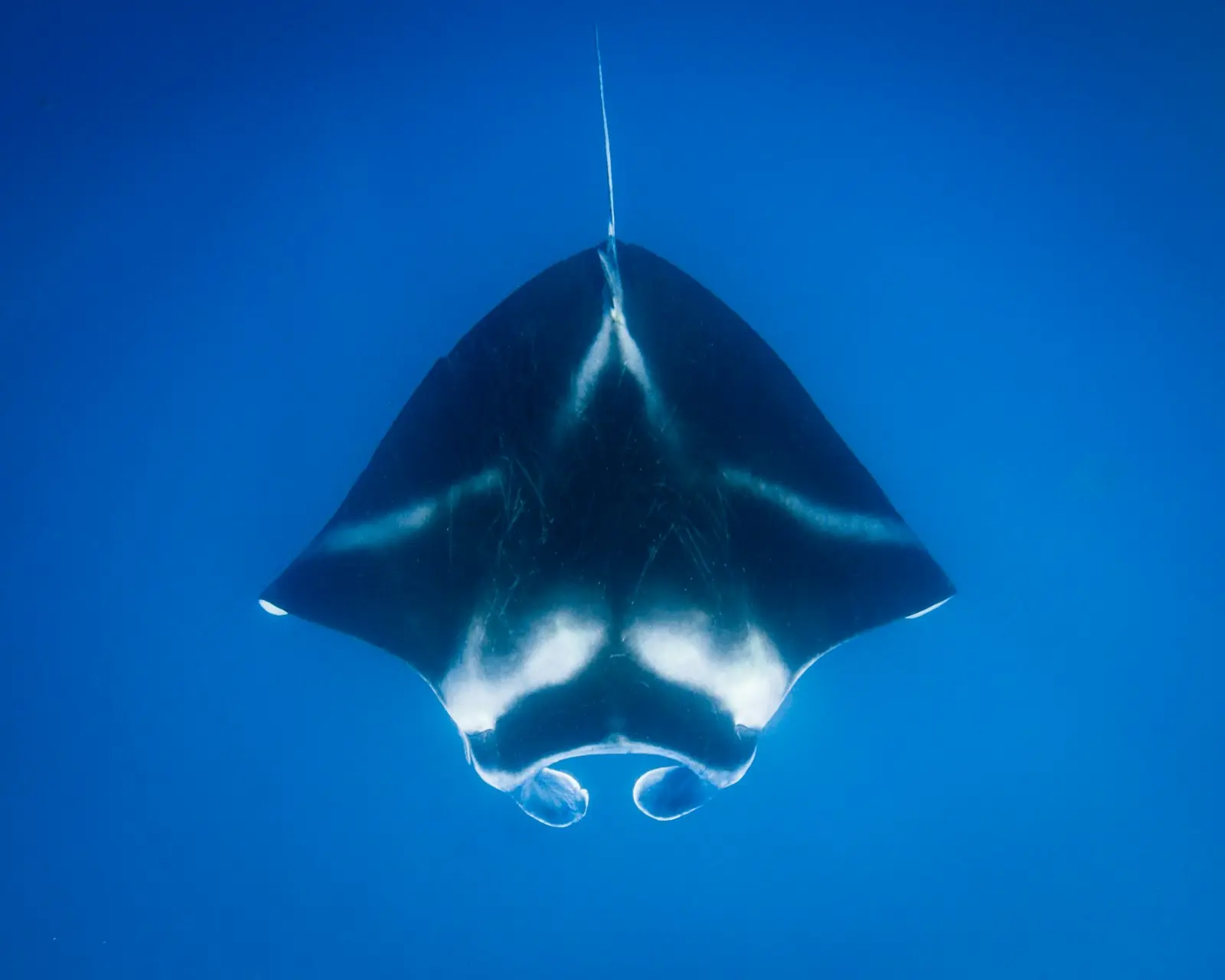
Manta Sandy is one of the most famous manta ray sites in Raja Ampat. It is a shallow cleaning station area with sandy patches and coral bommies where mantas come in to be cleaned by reef fish. What to know:- Depth: Typically shallow recreational depths, good for long bottom times.
- Current: Variable — from mild to moderate; sometimes more depending on tide.
- Protocol: Guides normally have strict briefings about where to kneel or hook in the sand, and how far away from the bommies to stay. Getting too close can push the mantas away.
- Seasonality: Manta activity peaks when plankton concentrations and water conditions align. This varies year to year and by micro‑location. Even in the “right” season, manta sightings are never guaranteed.
- You have basic buoyancy control.
- You can stay put without grabbing coral.
- You follow instructions closely — particularly about distance and position.
Misool: Soft Coral Capital
Talking about “Misool diving” means many different sites: small seamounts, labyrinthine reef systems and walls dotted around a huge area. Operators usually group sites into neighbourhoods and may stay in one zone several dives in a row to catch different tides and angles. Shared themes across Misool:- Soft coral and fan coverage that can be dense, especially in areas with consistent flow and clear water.
- Overhangs and caverns where light rays cut through with schools of glassfish or sweepers.
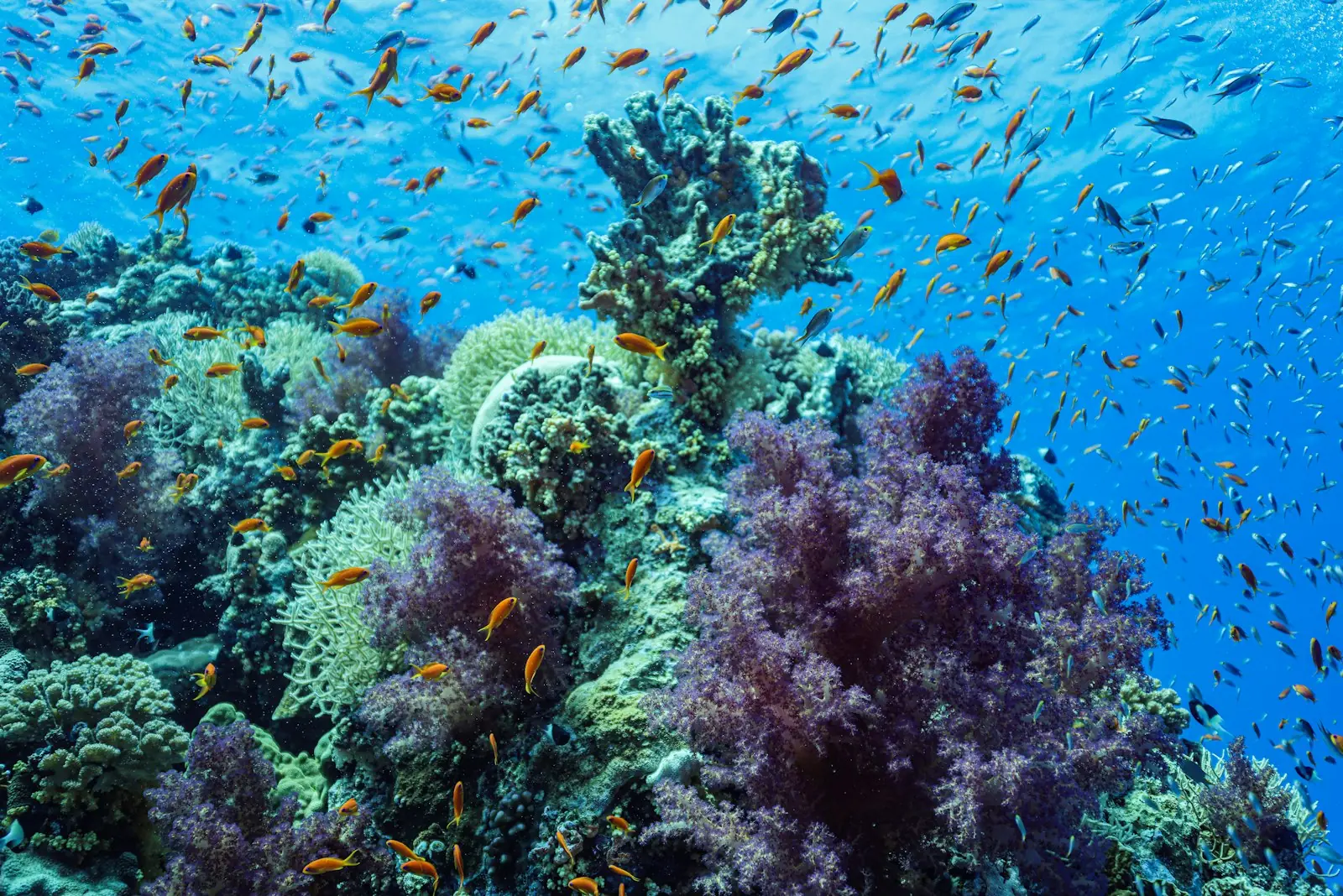
- Fish action: Anthias clouds around coral heads, mixed schools of snappers, sweetlips, surgeonfish and fusiliers; reef sharks patrol the edges.
- Macro: Pygmy seahorses on sea fans, various nudibranch species, crustaceans hiding among the soft coral branches.
Melissa’s Garden: Classic Hard-Coral Reef
Melissa’s Garden, in the Fam/ Penemu area, is known for expansive hard‑coral gardens and high juvenile fish density. Expect:- Shallow hard‑coral reef tops that are ideal for long, unhurried dives and for photographers who want natural light.
- Clouds of anthias and damsels with occasional passes by bigger fish along the slope edges.
- Mild to moderate currents, though like everywhere in Raja Ampat, this is tide‑dependent.
- Mixed groups with both newer and experienced divers.
- Photographers who want time to work a scene without being pushed along by heavy current.
Arborek Jetty: Schools and Macro in One Place
Arborek is a small island with a local village and jetty — often used for community visits combined with an easy dive. Underwater:- Jetty pilings can be covered in soft corals and schooling fish.
- Schools of batfish, fusiliers, and sometimes bumphead parrotfish pass through.
- Macro life along the adjacent slope: nudibranchs, crustaceans, occasional wobbegongs in the broader area.
- Shallow and manageable, good for newer divers or as a relaxed “decompression” day between heavier current sites.
- A strong site for wide‑angle and macro photographers at the same time.
Raja Ampat diving means remote, fish-heavy reefs, strong currents, and some of the most biodiverse coral systems on the planet.
Best Time for Raja Ampat Diving
- Primary season: Roughly October to April.
- Typically calmer seas for moving between Dampier Strait, Misool and other regions.
- Many liveaboards from Komodo and other parts of Indonesia reposition to Raja Ampat in this window.
- Outside this window: Some operations still run, especially in central/northern areas, but:
- Seas can be rougher.
- Some itineraries shift to more sheltered zones.
- Misool-heavy itineraries may be more limited depending on sea conditions.
- Mantas: Often better associated with plankton‑rich periods, which can line up with parts of the main season but vary year to year. They may concentrate around specific cleaning stations at certain times; no one can promise them.
- Visibility: Can fluctuate:
- Plankton = more life but sometimes reduced viz.
- Drier periods and certain tides = clearer blue water, but that can change quickly.
- Booking main‑season liveaboard slots early, especially for January–March.
- Giving us your exact time window so we can match you to the right itinerary and region — Dampier-only, Misool-including, or combination trips. You can start that process via plan your trip or WhatsApp.
Do You Need a Liveaboard for Raja Ampat Diving?
You can base yourself either on:- Land‑based resorts (primarily around Dampier Strait and Misool), or
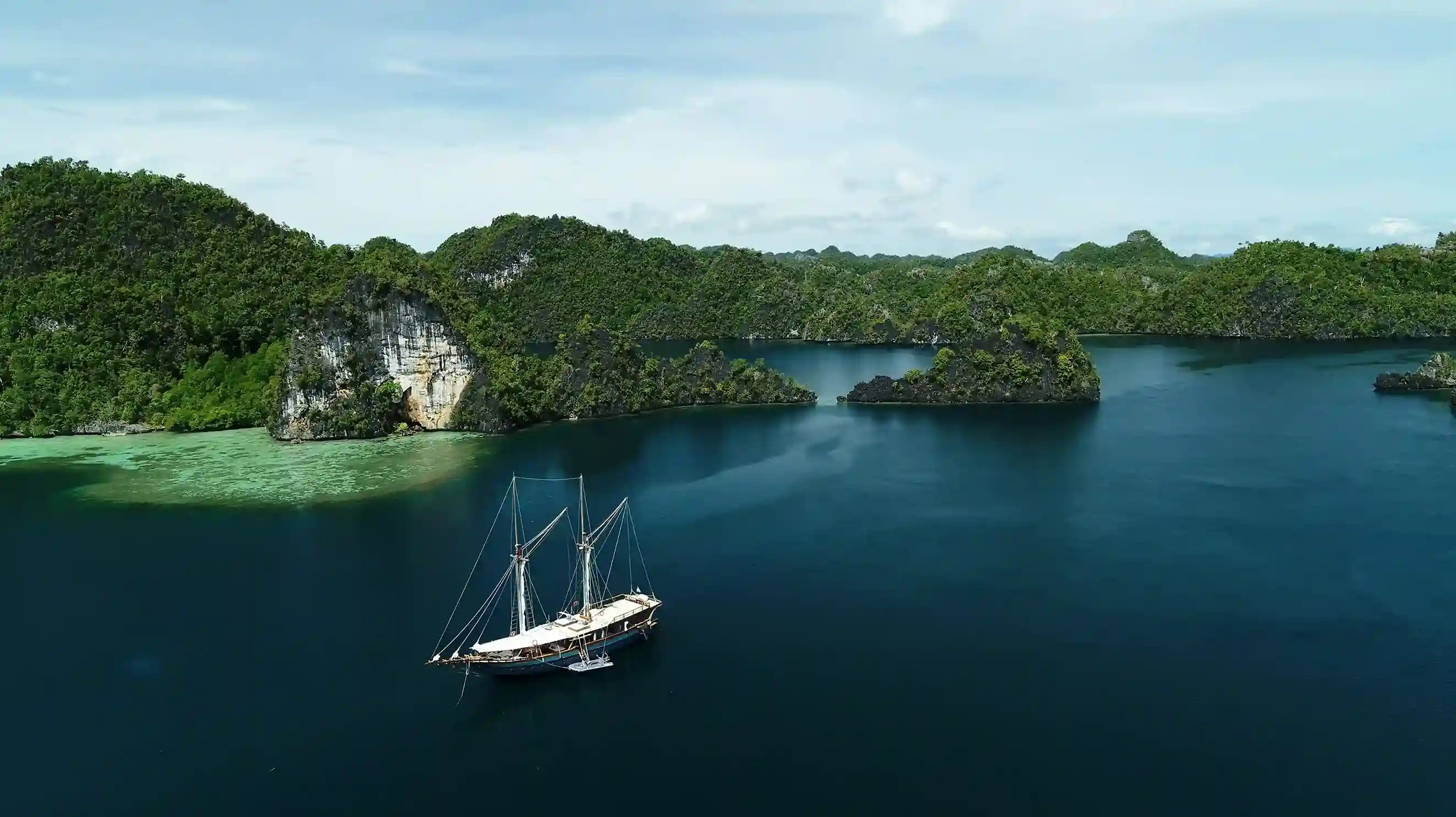
- Liveaboards, which roam across wider areas.
- Reach more remote sites: Especially Misool and outer island groups that are not practical for daily boats.
- Flexible timing: Hitting sites on the best tides and times of day instead of fixed day‑trip departure slots.
- More dives per day: Commonly 3–4 dives daily, including night dives.
- Integrated planning: Gear setup, briefings, surface intervals and navigation are all handled onboard, so you focus on diving and rest.
- If your priority is sampling Raja Ampat’s headline sites across multiple regions in one trip, a liveaboard is the realistic choice.
- If you prefer staying on land, you’ll likely focus on:
- Dampier Strait from Sorong/Waisai/Waigeo‑area resorts.
- Or Misool from a dedicated Misool resort, with most dives clustered around that region.
- Komodo Signature
- Komodo Prestige
Safety, Currents and Honest Risk Management
Minimum we recommend for most Raja Ampat liveaboards
- Advanced Open Water Diver (or equivalent).
- Recent diving experience — not “I did my last dive 3 years ago.”
- Comfort in:• Drift dives and current• Negative or fast descents when required by the site• Maintaining buoyancy without touching coral• Surfacing away from the boat and using an SMB (often your guide will carry group SMBs, but it’s best to know how yourself)
How we handle this on serious Indonesian trips
- Pre-trip screening: We ask about your certifications, recent dives and comfort level honestly. It’s not a test; it’s to avoid putting you on the wrong trip.
- Conservative briefings: Professional dive leaders will often adapt the dive plan based on the weakest diver in the group. If a site looks unsuitable on the day, we skip or change it.
- Indicative, not absolute, profiles: Depths and times during briefings are guidelines that can change in-water based on conditions.
- Equipment: SMBs, sound devices, and reliable reef-safe gear. Nitrox is widely offered on serious liveaboards and is strongly advised for repetitive deep-ish recreational profiles if you are properly certified.
Typical Raja Ampat Liveaboard Pricing & Booking
How Raja Ampat Compares to Lombok, Komodo and the Gilis
Lombok Diving’s roots are in Lombok and the Gili Islands, and we still believe:- Lombok/Gilis are ideal for:
- Learning to dive and completing your Open Water and Advanced courses.
- Easier reef dives, turtles, and first experience with Indonesian currents.
- Belongas Bay (Lombok) and its Magnet site:
- Real hammerhead potential around roughly July–September, but strong swell, rough surface conditions and advanced diving only. Not a place to “try out” advanced diving.
- Komodo:
- High‑energy, high‑reward diving, with complex currents.
- Strong candidate for intermediate to advanced divers before stepping up to Raja Ampat.
- Reef and fish diversity — more species density but often slightly less raw current intensity than Komodo’s wildest channels.
- Soft‑coral and fan coverage, especially in Misool.
- Remoteness and expedition feel — longer trips, more time at sea.
- Learn or refresh in Gili/Lombok.
- First liveaboard in Komodo (fewer flights, closer to Bali).
- Raja Ampat liveaboard as a later‑stage goal.
- Vessel (size, cabin standards, service level).
- Trip length and route (Dampier-only vs Dampier + Misool).
- Season and demand.
- Around USD 300–600 per person per night on average:
- Lower end: Shared cabins, shoulder dates, shorter/less remote itineraries.
- Higher end: Master cabins, peak dates, long itineraries including Misool and remote regions.
- Travel dates and flexibility.
- Cabin category and number of divers.
- Specific vessel (e.g., Komodo Signature vs Komodo Prestige).
- Any private charter, course or equipment needs.
- Email: [email protected]
- WhatsApp: +62 811-3823-875
- Or use our contact form to plan your trip.


Raja Ampat Diving FAQs
What are the best Raja Ampat dive sites?
Is Raja Ampat diving only for advanced divers?
Do I need a liveaboard to dive Raja Ampat properly?
When is the best time to dive Raja Ampat?
Can you guarantee mantas, sharks or whale sharks in Raja Ampat?

Ready to talk dates and regions?
Tell us where and how you want to dive. We reply on WhatsApp with the right route, season and vessel, and an indicative quote.
Indicative pricing by quote, no obligation. Operated by Komodo Luxury · TripAdvisor Travelers’ Choice 2022–2025.