
Raja Ampat Liveaboard: Luxury Phinisi Dive Cruises
Raja Ampat liveaboard trips are multi-day dive cruises exploring remote reefs, islands and channels of West Papua from a dedicated dive vessel.
Why Raja Ampat is Different from the Rest of Indonesia
- TripAdvisor Travelers’ Choice 2025 and 2026
- Founded in 2015, part of Juara Holding Group Limited
- Licensed under KBLI 79120, based in Denpasar, Bali
- Owner and operator of two luxury phinisi: Komodo Signature and Komodo Prestige
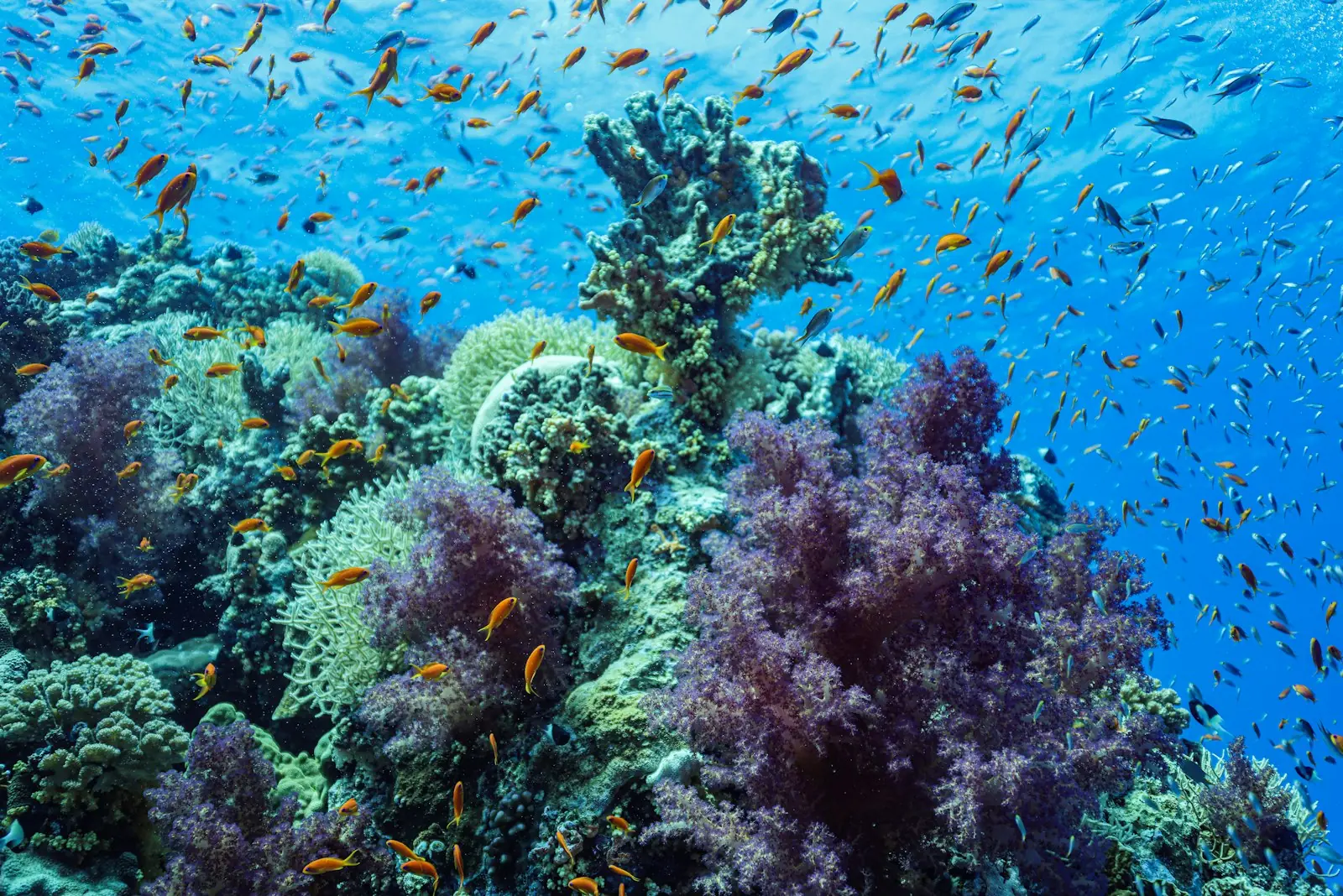
- Global epicentre of reef biodiversity — highest recorded reef fish diversity on the planet (Cape Kri surveys).
- Remote and boat‑based by nature — most of the best sites are only practical on a liveaboard.
- Season “flips” vs Komodo — calmer, clearer conditions most often from October to April, especially November–February.
- Two major zones — the “Northern/Central” Dampier Strait and the more southern Misool region.
Good to know
- Operator
- Lombok Diving is operated by Komodo Luxury, a real award-winning Indonesian liveaboard operator (TripAdvisor Travelers’ Choice 2022–2025, founded 2015, part of Juara Holding Group Limited).
- Conditions
- Dive-site depths, seasons and conditions are indicative and vary; advanced sites such as Belongas Bay (hammerheads) and the strong-current sites of Komodo need the right certification.
- Marine Life
- Marine life — mantas, hammerheads, whale sharks — is seasonal and wild, and can never be guaranteed.
- Pricing
- Prices are indicative ranges, by quote, and vary by season, vessel, cabin and itinerary.
- Booking
- Enquiries and booking via WhatsApp +62 811-3823-875 and [email protected].

Dive logistics first, decorative details second.
Our Phinisi Fleet: Komodo Signature & Komodo Prestige
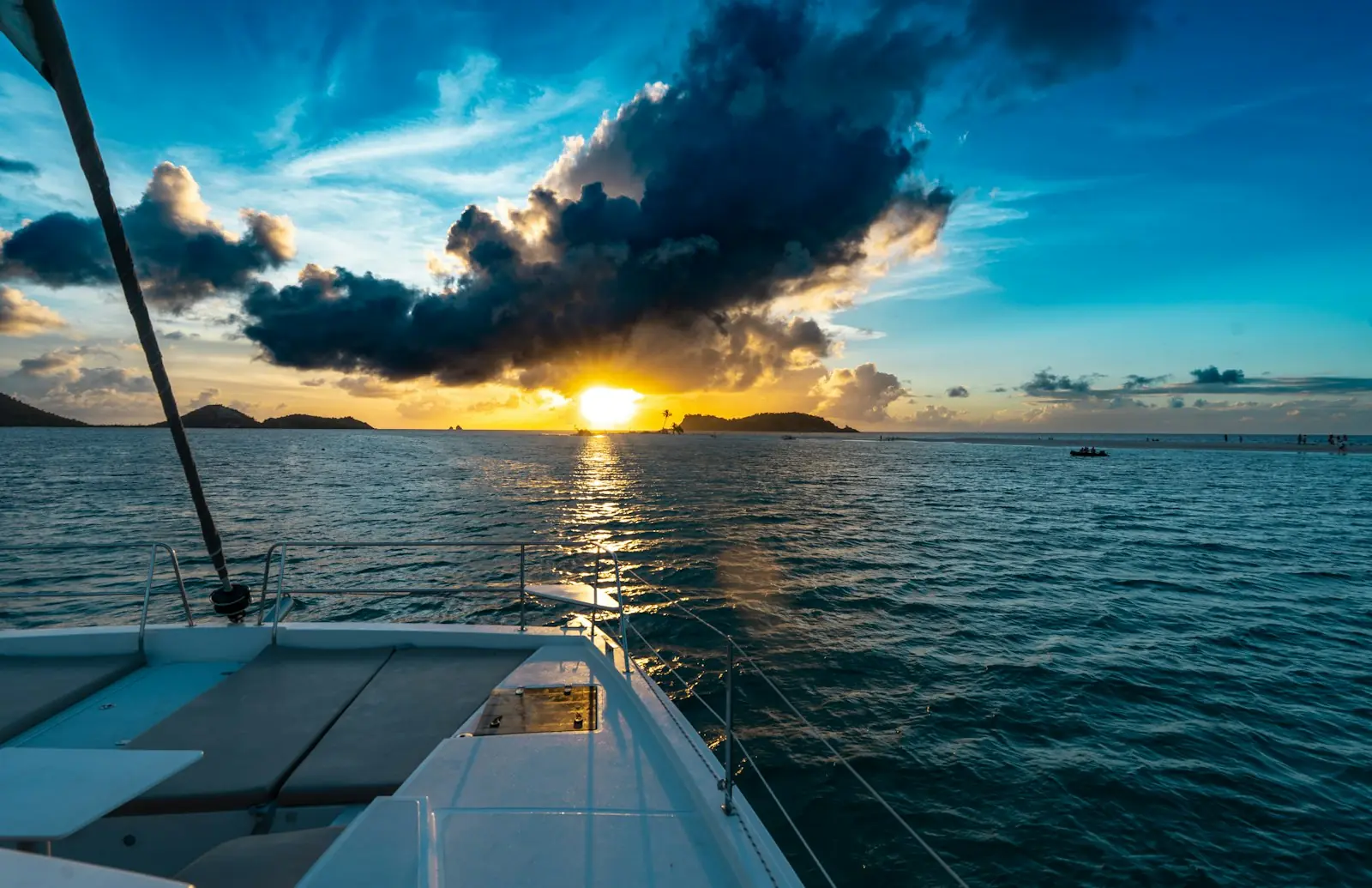
Your Raja Ampat dive cruise uses the same core liveaboard fleet we run across Komodo and eastern Indonesia:- Komodo Signature — luxury Indonesian phinisi with ensuite cabins, air‑conditioning, dedicated dive deck, camera‑friendly facilities and multiple outdoor relaxation areas.
- Komodo Prestige — sister phinisi in the same luxury category, with spacious cabins and the same focus on dive logistics first, decorative details second.
- Enriched air nitrox available on most departures (recommended for repetitive Raja Ampat profiles).
- Large shaded dive deck with camera rinse tanks and gear stations.
- Tenders for safe, controlled pick‑ups in current.
- Cruise director and Indonesian dive guides who work these routes season after season.
Comfort & Services
On both phinisi we focus on practical comfort:- Air‑conditioned ensuite cabins.
- Indoor lounge and outdoor shaded decks.
- Fresh, cooked Indonesian and international meals plus snacks between dives.
- Tea, coffee and water included; soft drinks and alcohol subject to availability and charge.
- Towels and basic toiletries; exact inclusions detailed in your trip information sheet.
Raja Ampat Liveaboard Routes & Itineraries
-
01
1. Central / Dampier Strait Raja Ampat Liveaboard (7–9 days)
Best if you want maximum iconic sites, mantas and fish life with slightly easier logistics. Typical starting/ending port: Sorong.• Cape Kri & nearby reefs – legendary fish diversity; expect busy water: fusiliers, snappers, jacks and barracuda.• Blue Magic – seamount famous for pelagic life: trevallies, barracuda and, in season, oceanic mantas patrolling the cleaning stations.• Manta Sandy / Manta Ridge area – shallow cleaning stations where reef mantas gather most reliably in season.• Arborek & nearby villages – jetty dives with dense fish schools and macro on the pilings.• Waigeo & Gam islands – mix of sloping reefs, channels and mangroves with soft corals.
Suits Advanced Open Water (or equivalent) and 30–50+ logged dives; confident in moderate current, descents/ascents on reef instead of lines on some dives; photographers wanting variety: mantas, schooling fish, reefscapes and macro.
-
02
2. Misool-Focused Raja Ampat Phinisi Cruises (8–12+ days)
Misool is further south, more remote and often features in longer loops. Typical starting/ending port: Sorong (with long overnight crossings).• Soft coral “walls” and islets – Misool is known for intense soft coral growth, sea fans and overhangs.• Seamounts and ridges – schooling fish, occasional mobula or manta encounters, patrolling sharks.• Lagoon and mangrove systems – unique mixes of hard corals, soft corals and mangrove roots.Misool itineraries are usually longer — 9–12 nights — due to distance and crossing time.
Suits Photographers and experienced divers happy with some extended open-sea passages.
-
03
3. Raja Ampat–Crossing or Hybrid Itineraries
On some dates we combine areas, for example:• Central Raja Ampat + Misool• Transition trips linking Raja Ampat with other eastern Indonesian regions (depends on year-to-year repositioning).These trips may involve one or two longer overnight or all-day crossings. Conditions can be rougher on the open sea days than within sheltered island groups, though we avoid the riskiest months for heavy weather.
Not a “try diving” destination.
-
Recommended Minimum Levels
These are general guidelines; we assess each diver individually:- Open Water with 20–30 dives: Only accepted on selected, milder itineraries and with limited exposure to high‑current seamounts. You must be very comfortable in the water and ready to follow guide instructions closely.
- Advanced Open Water (or equivalent): Strongly recommended for most itineraries so you are trained in deeper diving and navigation.
- 30–50+ logged dives: Gives a solid base for handling drift, quick descents and mid‑water safety stops without a mooring line.
- Nitrox certification: Highly recommended; Raja Ampat’s repetitive, multi‑day profiles benefit from the extra no‑deco time.
Lombok & Gilis
Great for learning, fun dives, and your first experience of currents and walls in Indonesia.Belongas Bay & The Magnet (Lombok south)
Advanced only, with real open‑ocean exposure and seasonal hammerhead potential ~July–September.Komodo
More consistently high current and complex tide planning; some sites only for very experienced divers.Raja Ampat
Mix of moderate–strong currents and gentler reefs; biodiversity‑driven, not adrenaline every dive, but still needs experience. We are honest: some dives in Raja Ampat are advanced, and you will enjoy the trip far more if you are ready for them. -
How We Plan Dives in Raja Ampat
Safety and enjoyment come before ticking every “famous” site:- Grouped by experience — We try to split divers into groups by comfort level whenever logistics allow.
- Tides and moon phases — Strong tidal flows are common; we select which sites to dive at which stage of the tide.
- Alternative plans — If a current or surface condition is unsuitable for a less‑experienced diver, we offer a calmer alternative site or advise skipping the dive.
-
What You See on a Raja Ampat Dive Cruise
Marine life in Raja Ampat is extraordinarily rich but still wild and seasonal. No operator can promise specific animals on specific dates. -
Typical Highlights (Not Guarantees)
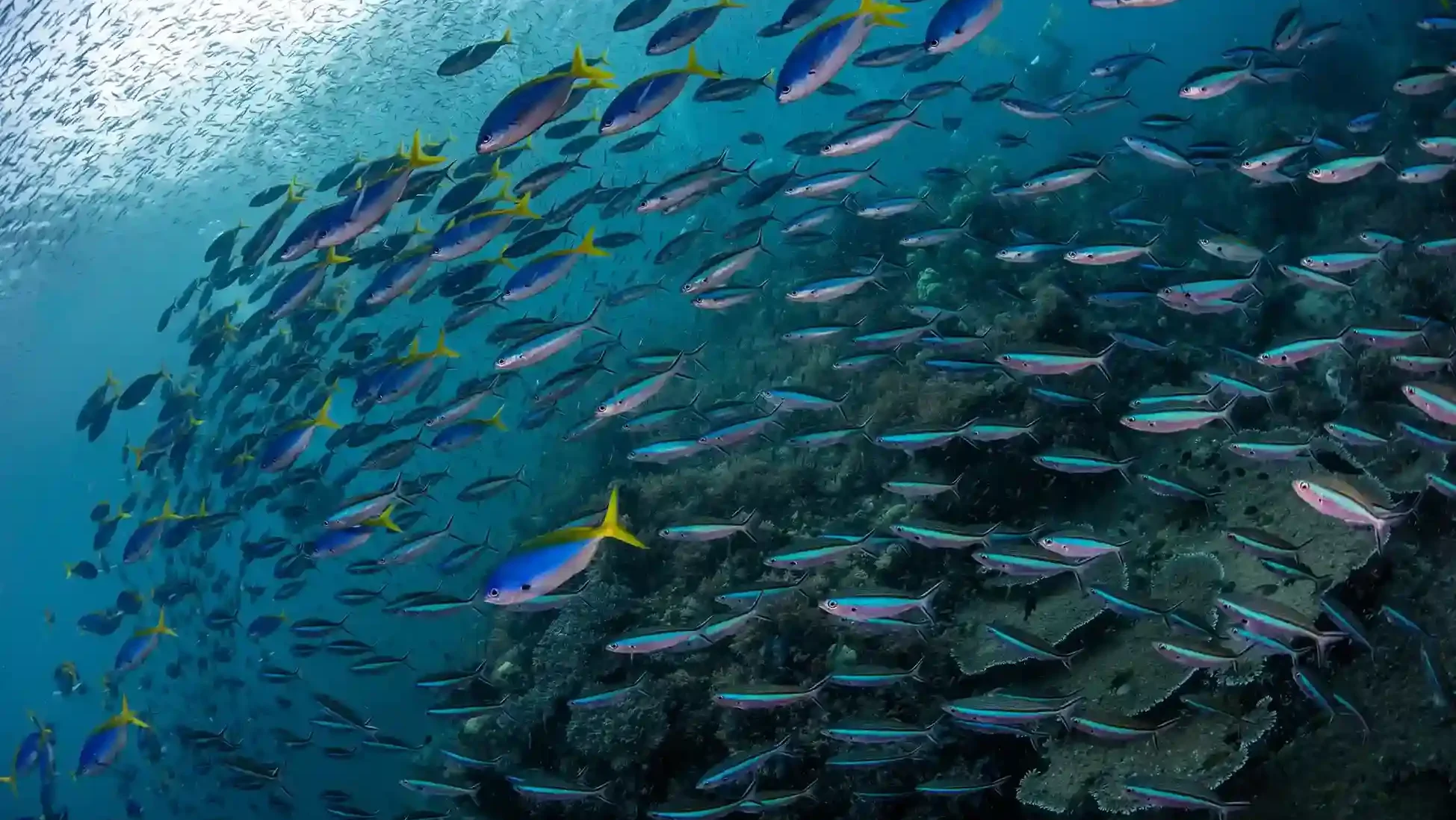
Across a 7–12‑day Raja Ampat phinisi cruise, common encounters include:- Dense schools of fusiliers, snappers and surgeonfish over hard‑coral ridges.
- Sweetlips, groupers and trevallies on seamounts and at current‑swept points.
- Reef sharks (blacktip, whitetip, gray reef) on many dives.
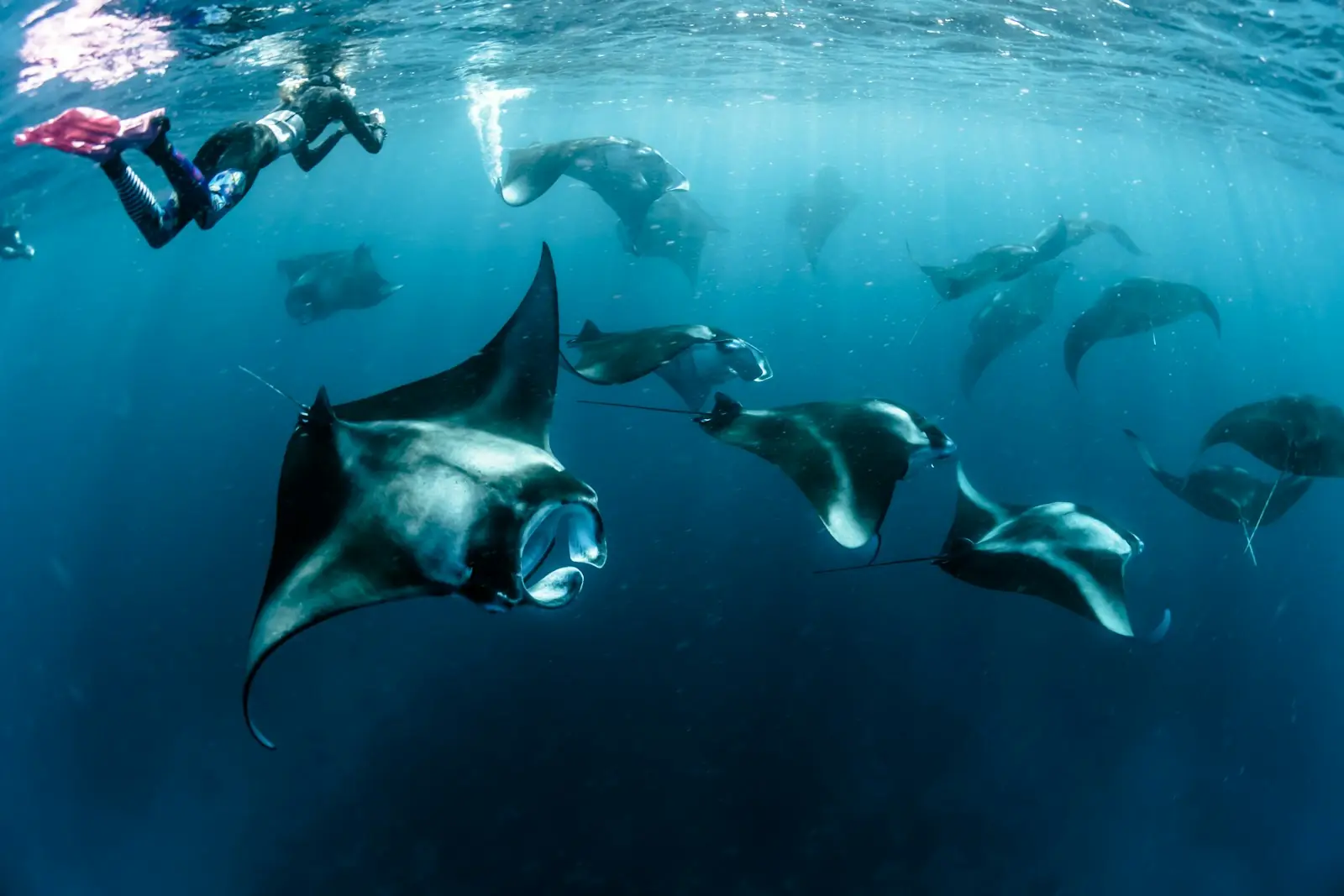
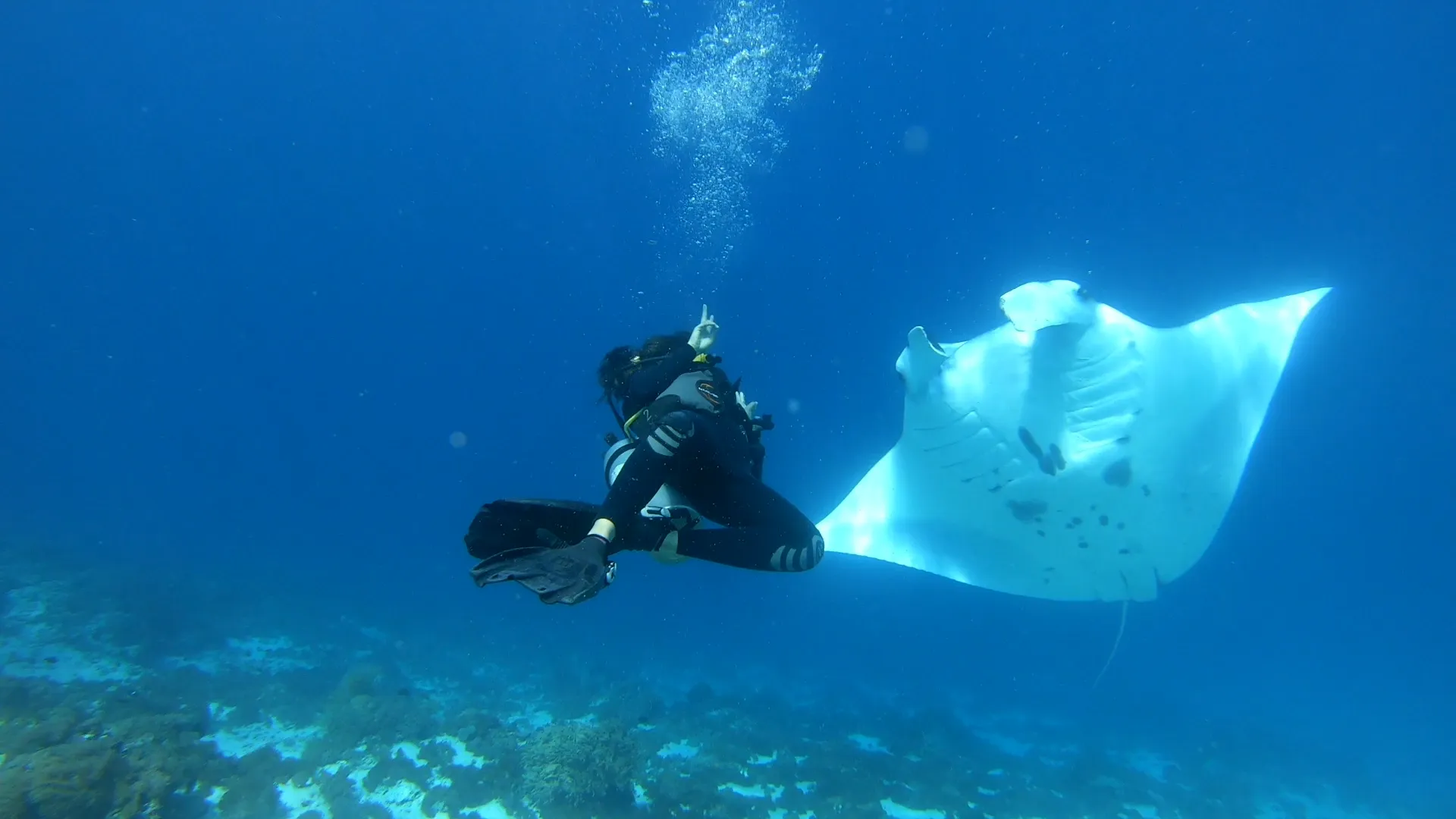
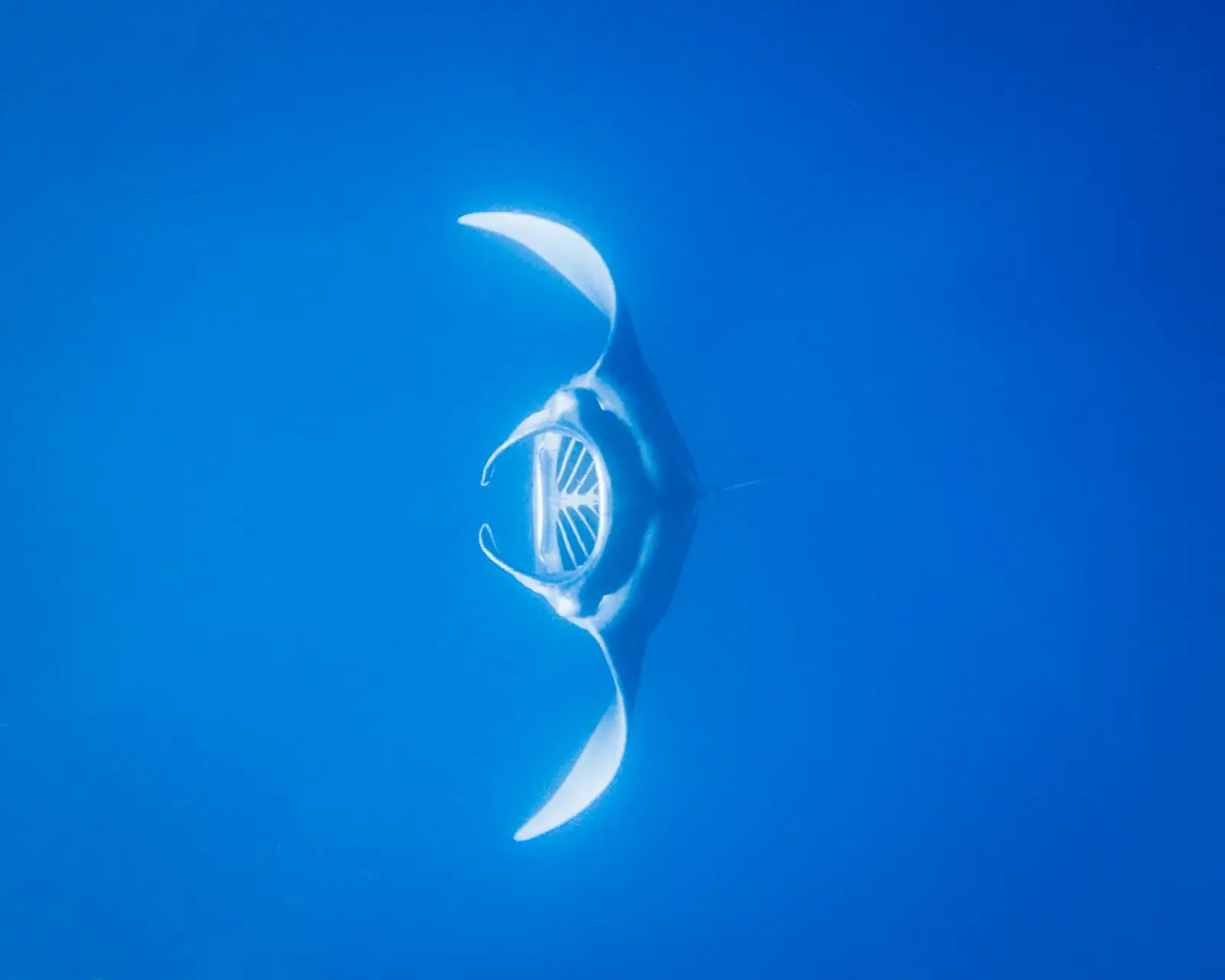
- Manta rays (reef and, in some locations, oceanic) in season on cleaning stations like Manta Sandy or seamounts such as Blue Magic.
- Macro: pygmy seahorses, nudibranchs, shrimp and crabs in fans and soft corals.
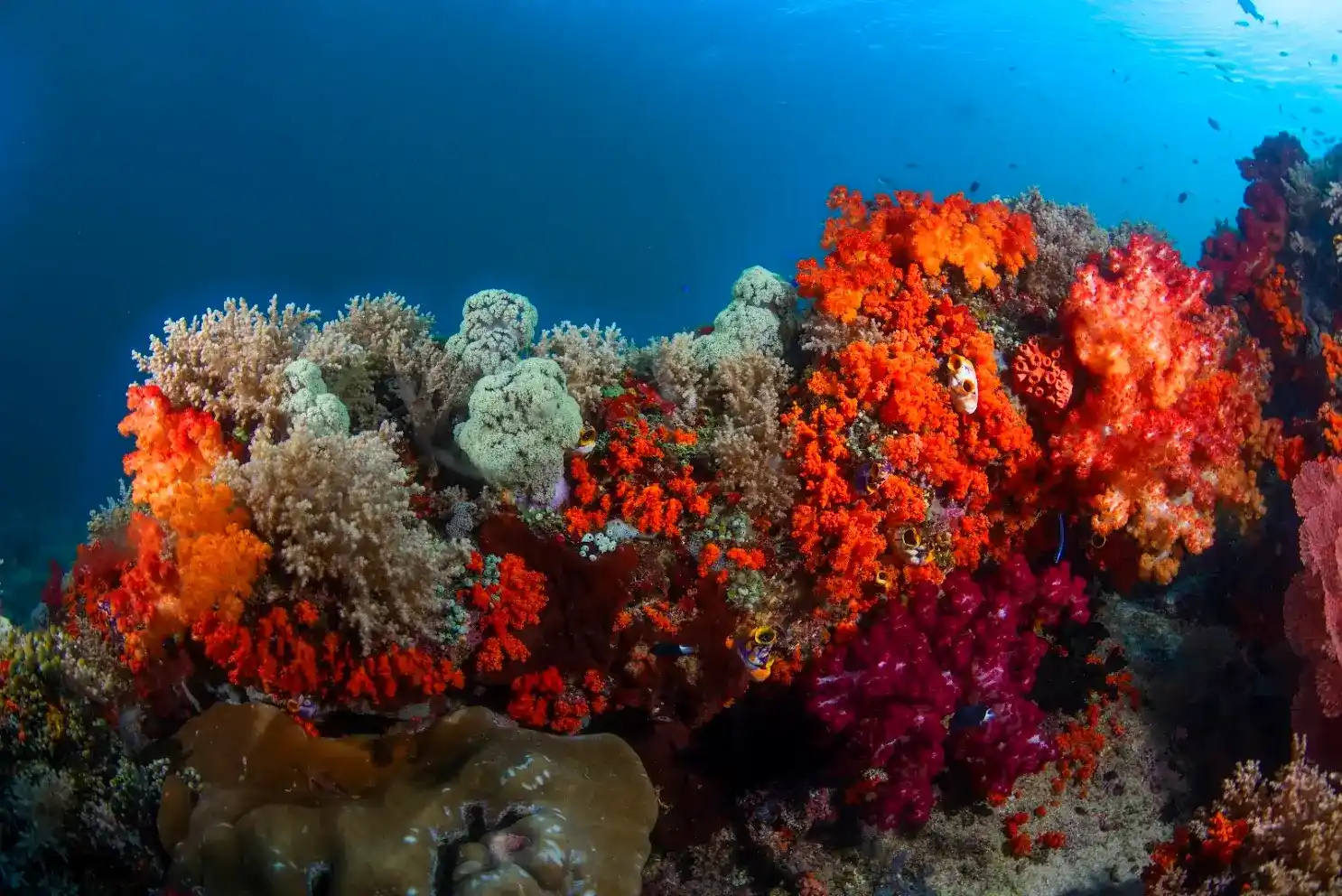
- Soft coral gardens and fans, especially in Misool, producing intense colour under wide‑angle lighting.
-
Seasonality & Conditions
Raja Ampat is technically diveable most of the year, but October–April is generally calmer, particularly:- November–February: Often considered the prime window for many areas with more settled seas, subject to yearly variation.
- May–September: Can see choppier seas, more wind and heavier rain; some boats reduce operation or focus on more sheltered areas.
- Range from mild to very strong depending on moon, tides, and specific topography.
- Famous sites like Cape Kri or Blue Magic can be mellow on one tide, intense on the next.
- We adjust entry and exit to hit the most appropriate conditions possible for each group.
- Typically mid‑range to good for Indonesia, but fluctuates with rain, plankton and tides.
- Plankton‑rich water often coincides with increased manta and fish activity, so “clear” is not always “best”.
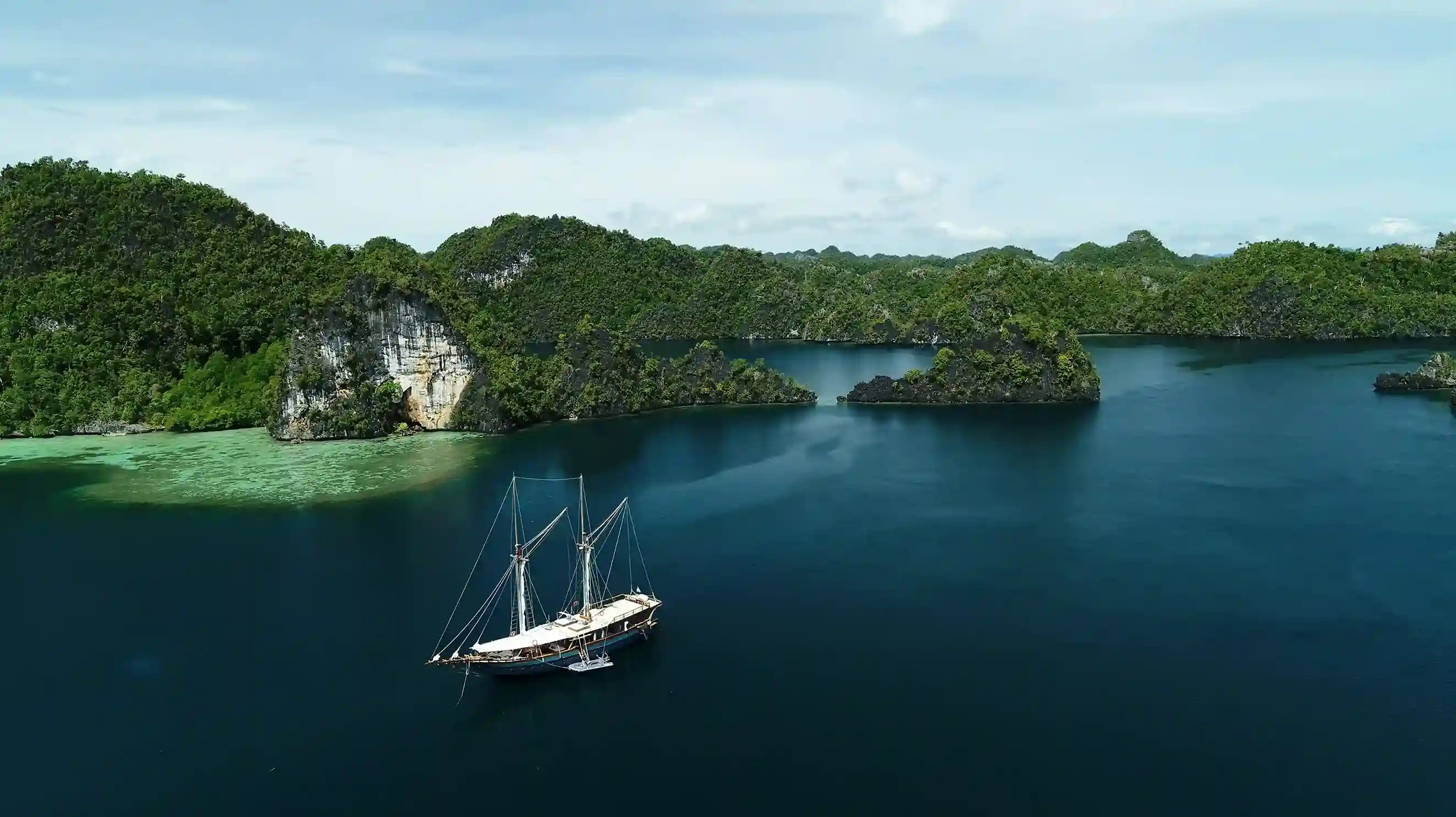
Marine life in Raja Ampat is extraordinarily rich but still wild and seasonal.
Trip length shapes what you can realistically cover.
| Trip Length | Typical Focus | Who It Suits |
|---|---|---|
| 7 days / 6 nights | Central / Dampier Strait highlights; limited range. | Divers short on time wanting signature sites near Sorong. |
| 8–9 days | More relaxed central loop with extra sites and/or partial Misool. | Most guests; good balance between range and leave days. |
| 10–12+ days | Central + Misool, or extended Misool focus; more flexibility with weather. | Serious divers and photographers wanting maximum time and variety. |
Remember to plan travel time:• Most itineraries start/end in Sorong, with domestic flights typically via Jakarta, Makassar, or Manado.• Build in at least one buffer night before and after the cruise where possible.
Which is right for you?
Many of our repeat guests alternate between these two regions. Each has its strengths.
| Aspect | Raja Ampat | Komodo |
|---|---|---|
| Main draw | Extreme biodiversity, soft corals, mantas, schooling fish. | High-energy currents, dramatic topography, mantas, dragons. |
| Best season | Roughly Oct–Apr, especially Nov–Feb (varies by year). | Generally Apr–Nov, especially Jun–Sep for cooler, invigorating water. |
| Conditions | Range from gentle to strong currents; many reefs accessible at moderate experience levels. | More dives with potentially very strong currents and down-currents; more strictly advanced at key sites. |
| Surface scenery | Limestone islets, lagoons, remote islands of West Papua. | Volcanic islands, pink beaches, savannah hills around Labuan Bajo. |
| Wildlife on land | Limited, occasional bird-watching or village visits. | Komodo dragons and hiking viewpoints. |
Many divers choose:• Raja Ampat for first-time “Indonesia flagship” biodiversity, especially if they prioritise mantas, fish biomass and coral.• Komodo for a mix of dragons, strong current challenge dives and manta cleaning stations in one region.We operate both, so we can advise honestly based on your timing and experience rather than pushing one over the other.
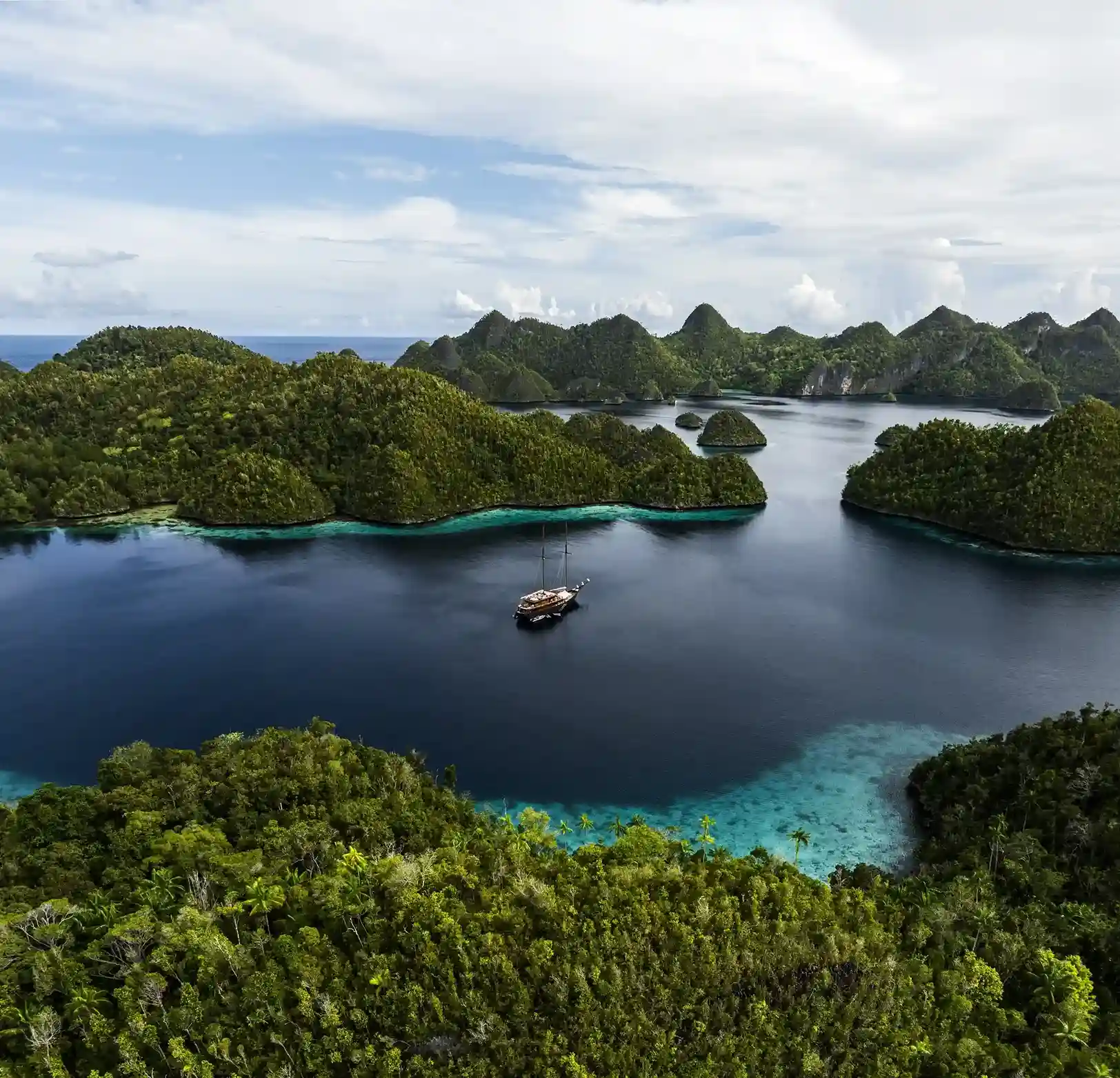
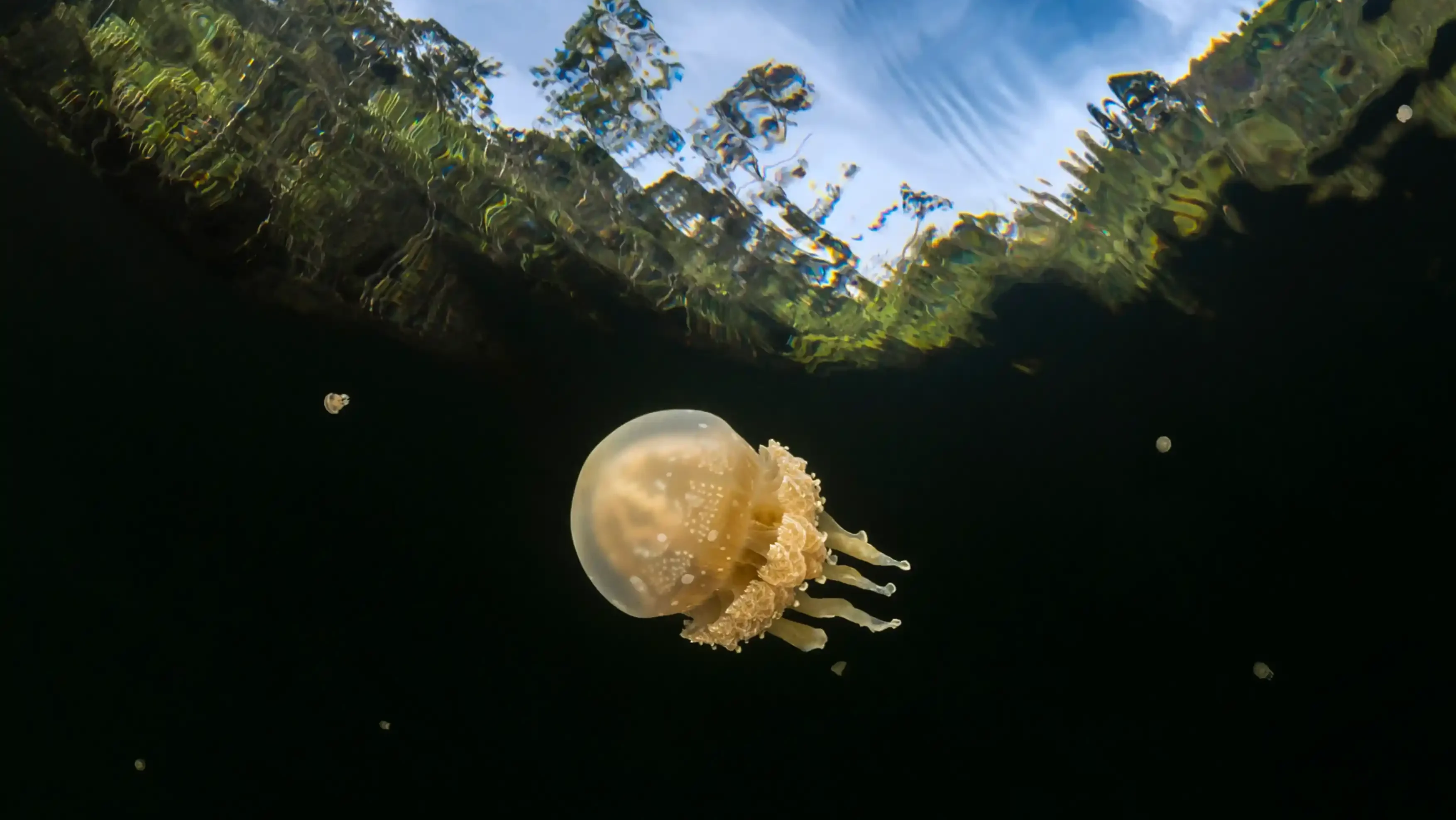
Indicative Pricing for Raja Ampat Liveaboard Cruises
- Season (peak Raja Ampat window vs shoulder dates)
- Vessel (Komodo Signature vs Komodo Prestige)
- Cabin category (shared, double, master, etc.)
- Exact itinerary and trip length
- Group size and possibility of private charter
- Per‑person shared‑cabin rates on scheduled Raja Ampat cruises often fall in the mid to high three‑figure to low four‑figure USD range per night, depending on the above factors.
- Private charter of a full phinisi for Raja Ampat will typically run into a five‑figure to low six‑figure USD total, again heavily dependent on season, length and configuration.
Lombok & Gilis: Your Pathway into Liveaboards
As Lombok Diving, our roots and daily operations are here on:- Gili Trawangan, Gili Air and Gili Meno — for clear‑water reef dives, turtle encounters and courses.
- Lombok’s north and south coasts — walls, slopes, and for advanced guests, more serious options like Belongas Bay and The Magnet (seasonal hammerhead potential around July–September, for suitably qualified and prepared divers only).
- Train new divers in controlled conditions.
- Refresh skills and build current confidence.
- Evaluate honestly who is ready for Komodo or Raja Ampat liveaboards.
- Learn or refresh around the Gilis & Lombok.
- Build dives and comfort in moderate currents.
- Step up to a Komodo cruise for mixed conditions and high‑energy drifts.
- Graduate to Raja Ampat for extended biodiversity‑focused expeditions.
Planning & Booking Your Raja Ampat Liveaboard
To organise a Raja Ampat liveaboard with us:-
Contact us with your dates and experience
- WhatsApp: +62 811-3823-875
- Email: [email protected]
- Or use our form via plan your trip.
-
Share key details
- Number of divers and non‑divers
- Certifications and approximate logged dives
- Preferences: route (Central vs Misool), length, budget band, cabin type
- Any medical conditions or mobility limitations
-
We propose real departures
- Actual dates on Komodo Signature or Komodo Prestige
- Route outline and typical sites (subject to conditions)
- Indicative pricing and inclusions/exclusions
-
Secure your cabin or charter
- Deposits and balance terms vary by season and trip; you will receive them in writing.
- Once confirmed, we send a detailed pre‑trip information pack covering packing, check‑in, domestic flights, and park fee estimates.
Frequently asked questions
When is the best time to dive Raja Ampat?
How many days do I need for a Raja Ampat liveaboard?
Is Raja Ampat diving advanced?
Raja Ampat vs Komodo – which should I choose first?
How do I book a Raja Ampat phinisi cruise with Lombok Diving & Komodo Luxury?

Ready to talk dates and regions?
Tell us where and how you want to dive. We reply on WhatsApp with the right route, season and vessel, and an indicative quote.
Indicative pricing by quote, no obligation. Operated by Komodo Luxury · TripAdvisor Travelers’ Choice 2022–2025.