
Marine Species Lombok Diving: Discover Top Ocean Residents
While diving in Lombok, encounter a diverse range of marine species, from majestic manta rays to vibrant clownfish, that thrive in its rich aquatic environment. The waters around Lombok are known for their clarity and the thriving marine life that calls them home, making every dive an adventure in exploration and discovery.
Marine Species Lombok Diving: An Underwater Adventure
Lombok’s waters offer a kaleidoscope of marine life, making it a premier destination for divers. The island’s underwater landscape is teeming with vibrant coral reefs and a plethora of marine species, each contributing to the ecosystem’s diversity. ‘re a seasoned diver or a beginner, the marine species Lombok diving experience promises encounters with some of the most fascinating aquatic creatures on the planet. The island’s location within the Coral Triangle, a region known for its exceptional marine biodiversity, ensures that divers have the opportunity to witness an array of species in their natural habitat. With dive sites accessible from the main island and the nearby Gili Islands, options are abundant for divers of all levels.
What Marine Species Are Most Commonly Seen by Divers in Lombok?
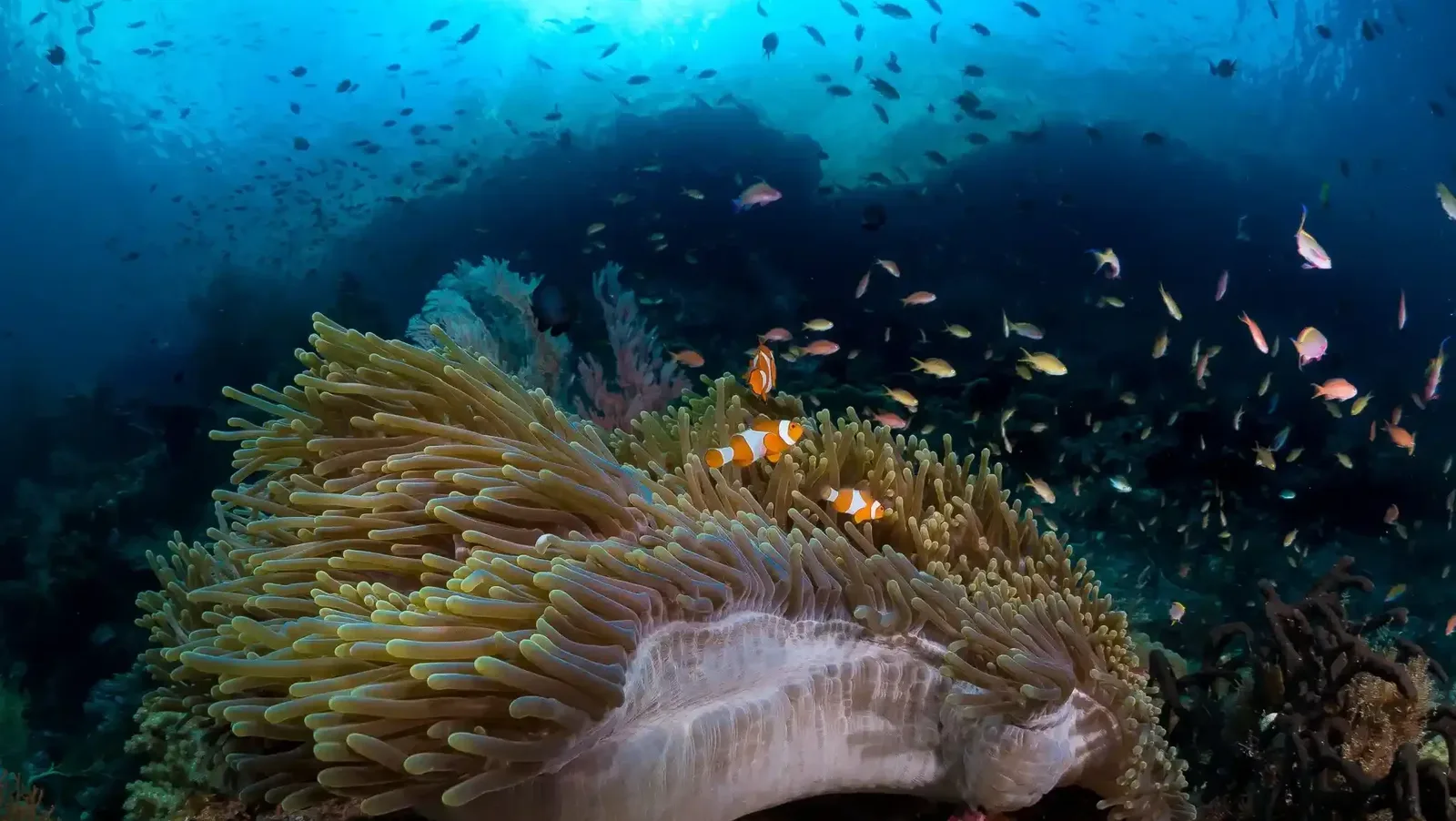
Among the most commonly spotted marine species in Lombok are manta rays, sea turtles, and clownfish. Divers frequently encounter these species in the rich coral gardens and clear waters surrounding the island. Manta rays, with wingspans reaching up to seven metres, are particularly impressive and often seen gliding gracefully in the currents at specific sites known as cleaning stations. Sea turtles, including both Green and Hawksbill species, are a delight to observe as they navigate through the reefs. Clownfish, easily recognisable by their striking orange and white stripes, thrive in the anemone-rich areas, offering a colourful spectacle for divers.
Spotlight on Lombok’s Diverse Marine Life
The island’s unique geographical position and varied underwater topography create ideal conditions for a wide range of marine species. Here’s a closer look at some of the top species you might encounter while exploring Lombok’s waters:
- Manta Rays: Known for their graceful movements, manta rays are a highlight for many divers. These gentle giants often gather around cleaning stations at dive sites like Manta Point, where they are cleaned by smaller fish. Manta Point is located near the south coast of Lombok and is accessible by boat, making it a popular spot for divers hoping to see these magnificent creatures.
- Sea Turtles: Lombok is home to several species of sea turtles, including the Green and Hawksbill turtles, which are often seen swimming around the coral reefs. The Gili Islands, particularly Gili Trawangan and Gili Meno, are renowned for turtle sightings, with dedicated conservation projects in place to protect their nesting sites.
- Clownfish: The vibrant clownfish, made famous by popular culture, are a common sight in the anemone-rich areas of Lombok’s dive sites. These small fish are usually found in symbiotic relationships with sea anemones, providing them with protection and food scraps in exchange for shelter.
- Sharks: Reef sharks, particularly the Blacktip and Whitetip varieties, are frequently spotted in the deeper waters. Shark Point, off the coast of Lombok, is a well-known dive site where divers can observe these predators in their natural environment, often accompanied by schools of smaller fish.
- Cuttlefish: These fascinating creatures are known for their ability to change colour and texture, providing a captivating sight for divers. Secret Bay, located in the north of Lombok, is an excellent site for observing cuttlefish, as well as other cephalopods like octopuses.
Exploring Lombok’s Wildlife Diving Experience
Wildlife diving in Lombok offers more than just encounters with individual species; it’s an immersive experience into a vibrant ecosystem. The coral reefs serve as a critical habitat for various fish species, crustaceans, and other marine organisms. Divers can explore these thriving environments at locations such as the Gili Islands, where the biodiversity is particularly rich. The Gili Islands, comprising Gili Trawangan, Gili Meno, and Gili Air, are particularly popular for their clear waters and abundant marine life, making them a must-visit for anyone diving in Lombok. Each island offers unique diving opportunities, with Gili Trawangan known for its lively atmosphere, Gili Meno for its tranquillity, and Gili Air for its balance of both.
Lombok’s Aquatic Life: A Diverse Ecosystem
Lombok’s aquatic life is supported by healthy coral reefs and nutrient-rich waters, creating a thriving ecosystem. This environment supports not only the species mentioned above but also a wide range of marine life, including:
- Colorful Nudibranchs: These small, colourful sea slugs are often found on the coral reefs, adding splashes of colour to the underwater landscape.
- Moray Eels: Known for their snake-like appearance, moray eels are often spotted peeking out from crevices in the reef, waiting for prey to pass by.
- Schools of Barracuda: These predatory fish are known for their speed and agility, often seen in large schools that move in synchronised patterns.
- Napoleon Wrasses: These large, distinctive fish can be seen patrolling the reefs, their size and unique appearance making them a favourite among divers.
- Various species of Angelfish and Butterflyfish: These brightly coloured fish are a common sight on the reefs, their vibrant patterns adding to the visual spectacle of a dive.
| Species | Common Dive Sites |
|---|---|
| Manta Rays | Manta Point |
| Sea Turtles | Gili Islands |
| Clownfish | Coral Gardens |
| Reef Sharks | Shark Point |
| Cuttlefish | Secret Bay |
2027 Note on Lombok Diving
As of 2027, Lombok continues to be a leading destination for diving enthusiasts. The region’s commitment to marine conservation helps maintain its biodiversity, ensuring that future generations can enjoy the wonders of Lombok’s underwater world. Efforts by local communities and international organisations have led to initiatives focused on coral reef restoration and protecting endangered marine species. These projects not only benefit the environment but also enhance the diving experience by preserving the natural beauty and diversity of the area. For those planning a diving trip, our FAQ page provides valuable insights and tips to help you make the most of your visit.
FAQ
What is the best time of year for diving in Lombok?
The best time for diving in Lombok is during the dry season, from May to October, when visibility is at its peak and sea conditions are calm. During this period, divers can expect water temperatures ranging from 27 to 30 degrees Celsius, making for comfortable and enjoyable diving conditions.
Are there any conservation efforts in place in Lombok?
Yes, various local and international initiatives focus on coral reef restoration and marine species protection, contributing to the sustainability of Lombok’s diving sites. Projects such as coral nurseries and beach clean-ups are regularly conducted, involving both the local community and visitors in efforts to maintain the health of the marine environment.
Can beginners dive with manta rays in Lombok?
Yes, beginners can dive with manta rays, often under the guidance of experienced instructors, ensuring a safe and enjoyable experience. Dive centres across Lombok offer introductory courses and guided dives tailored to different skill levels, allowing even novice divers to experience the thrill of swimming alongside these gentle giants.