
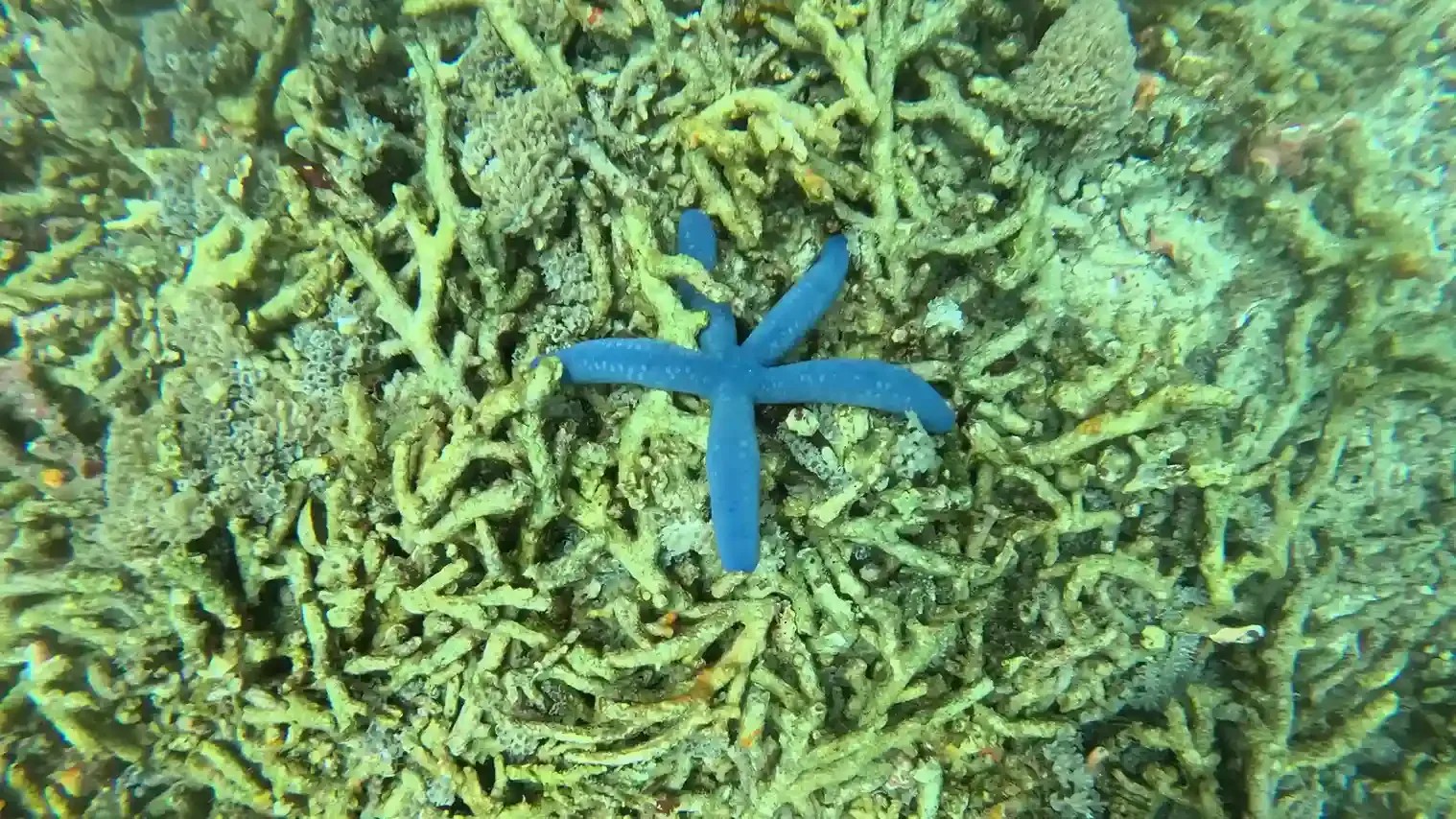
Community Diving Conservation in Lombok: Local Involvement and Efforts
Community diving conservation in Lombok involves local initiatives that protect marine life, focusing on reef protection and sustainable practices.
Community Diving Conservation Lombok
Lombok’s diving scene is renowned for its vibrant marine life and its dedicated community involved in conservation efforts. Community diving conservation in Lombok has become pivotal in preserving the underwater ecosystem, with local residents, businesses, and diving enthusiasts working together to maintain the health of the reefs and marine biodiversity. The island’s diverse marine environments, ranging from coral reefs to deep-sea habitats, are home to a wide variety of species, including over 600 types of coral and thousands of fish species. This biodiversity is crucial not only for ecological balance but also for the local economy, which relies heavily on tourism and fishing industries.
Local Conservation Projects
Local conservation projects are the backbone of Lombok’s diving conservation efforts. These projects range from coral restoration initiatives to waste management programs aimed at reducing pollution in the ocean. One significant project focuses on coral nurseries, where broken coral fragments are collected and nurtured until they are strong enough to be replanted on damaged reefs. This process can take several months to a few years, depending on the coral species. Another critical initiative is the “Adopt a Reef” programme, where businesses and individuals sponsor sections of the reef for restoration and monitoring.
Waste management is another critical aspect, with local groups organizing regular beach clean-ups and underwater clean-up dives. These events not only remove debris but also raise awareness about pollution’s impact on marine life. By engaging local communities in these projects, Lombok ensures that conservation efforts are culturally sensitive and sustainable. For more insight into Lombok’s diving practices, visit our detailed diving page.
Community Reef Protection
Community reef protection is essential in safeguarding Lombok’s underwater landscapes. The involvement of the local community in monitoring and maintaining reef health is crucial. This includes activities such as regular clean-up dives, coral planting, and educational workshops that inform both locals and visitors about the importance of reef ecosystems. These workshops often include training on identifying coral diseases and understanding the effects of climate change on marine environments.
Efforts to enhance reef protection also involve collaboration with marine biologists and environmental NGOs, who provide technical support and training. This collaboration ensures that conservation practices are based on the latest scientific research, improving their effectiveness. These efforts not only protect the natural habitat but also enhance the diving experience for everyone by ensuring that visitors can witness thriving ecosystems.
How are Local Communities in Lombok Involved in Diving Conservation?
Local communities in Lombok are involved through active participation in conservation projects, such as coral restoration and clean-up initiatives, and by promoting sustainable tourism practices. Many locals have become certified divers and guides, allowing them to educate tourists on responsible diving practices and the importance of conservation. Additionally, local schools incorporate marine conservation into their curricula, fostering a new generation of environmentally-conscious citizens.
Benefits of Community Involvement
The benefits of community involvement in diving conservation are manifold. Firstly, it empowers local residents by providing them with knowledge and skills to protect their natural environment. Training programs and workshops equip participants with skills in marine biology, eco-tourism, and sustainable fishing practices. Secondly, it fosters a sense of ownership and pride among locals, which is essential for long-term sustainability. This sense of ownership encourages communities to actively participate in decision-making processes regarding local environmental policies.
- Empowerment of local residents through education and skill development
- Fostering a sense of ownership and pride in natural resources
- Ensuring sustainable and adaptive conservation efforts through community-driven initiatives
2027 Note on Lombok Conservation Efforts
As of 2027, Lombok continues to see positive developments in its conservation efforts. With increasing global awareness of environmental issues, local and international collaborations have strengthened, further supporting the island’s dedication to marine conservation. New partnerships with international conservation organisations have introduced advanced technologies for monitoring reef health, such as underwater drones and remote sensing equipment. The community’s role remains vital, and ongoing education and involvement are key to future success. For more current information, explore our Lombok Diving FAQ.
FAQ
What are the main threats to Lombok’s marine environment?
The main threats include climate change, pollution, and overfishing, which impact coral reefs and marine biodiversity. Rising sea temperatures lead to coral bleaching, while pollution from land-based sources contributes to habitat degradation. Overfishing disrupts the ecological balance, threatening the survival of certain species.
How can tourists contribute to conservation efforts?
Tourists can contribute by participating in eco-friendly tours, following guidelines for responsible diving, such as avoiding touching or stepping on corals, and supporting local conservation initiatives by choosing eco-certified operators. Additionally, tourists can reduce their plastic use and dispose of waste properly to prevent pollution.
Are there any volunteer programs for diving conservation in Lombok?
Yes, there are several volunteer programs that allow individuals to engage in coral planting, reef monitoring, and educational outreach. These programs typically run for several weeks and provide volunteers with comprehensive training and hands-on experience in marine conservation. Participants often work alongside local communities and scientists, gaining valuable insights into the challenges and successes of conservation efforts.