
Best Time to Dive Raja Ampat (Season Guide)
The best time to dive Raja Ampat is generally October–April, when calmer seas and more plankton bring manta rays and rich pelagic life, though you can dive year‑round. Within that window, many divers aim for November–March for warmer water, more reliable liveaboard access and peak big‑fish action.
Raja Ampat Diving Season at a Glance
Raja Ampat sits on the equator the Coral Triangle, so there is no classic “summer/winter” pattern. Instead, the raja ampat diving season is shaped by wind, swell and plankton blooms.
Here is the practical overview I give guests before they book:
| Raja Ampat months | Overall conditions* | Marine life highlights | Notes for divers |
|---|---|---|---|
| October – April | Generally calmer seas, more rain, good visibility with plankton “haze” at times | Manta rays, more pelagics, very active reefs | Core liveaboard season; most popular period to visit |
| November – March | Warm water, some squalls, usually manageable swell | Peak manta activity; busy fish life | My preferred window for serious diving |
| May – September | More wind & swell, especially in the south; variable visibility | Reefs still excellent; fewer mantas in several areas | Viable in many northern/central sites; fewer boats operating |
*All conditions are indicative only. Real‑world diving can vary day‑to‑day and site‑to‑site.
For context: I teach and guide around Lombok and the Gili Islands all year, but for Raja Ampat I time liveaboards carefully. Strong currents, long distances and remote locations mean the “best” time is the month that balances sea state, marine life and your comfort level.
Komodo Luxury — part of Juara Holding Group Limited, founded in 2015 — operates two premium phinisi yachts, Komodo Signature and Komodo Prestige, that schedule Raja Ampat expeditions around this seasonal pattern. I’ll use their operational windows and my own guiding experience to explain how to pick your dates intelligently.
Understanding Raja Ampat’s Seasons
Wind, rain and swell patterns
Raja Ampat has a wet, equatorial climate. You can expect:
- Rainfall: Showers can happen any month. Heavier, more frequent rain typically November–April, but it’s usually short, intense squalls rather than days of grey.
- Wind: Stronger southeast trade winds usually appear around May–September, which can push up swell and make some southern routes less comfortable.
- Sea state: October–April usually means calmer surface conditions, especially in central and northern regions; May–September can bring rougher crossings between island groups.
As a diver, you mainly feel this during long crossings between regions like Misool (south) and Dampier Strait (central). On a well‑run phinisi such as Komodo Signature or Komodo Prestige, itineraries are planned to work around wind direction and fetch, but your stomach will still vote for the calmer months if you’re prone to seasickness.
Water temperature and visibility
Indicative ranges — these are broad guides, not promises:
- Water temperature: roughly mid‑to‑high 20s °C over much of the year. You may encounter slightly cooler patches in areas with strong upwelling or at depth.
- Visibility: often “very good” in dry, calm spells; can drop when plankton blooms or after heavy rain near mangroves and river outlets. The same plankton that reduces viz a little is what feeds mantas and dense fish life.
For comfort, most guests are happy in a 3 mm full suit with optional vest or hood. If you run cold or are planning 4 intensive dives per day on a liveaboard, pack some extra thermal protection.
Month‑by‑Month: Best Time to Dive Raja Ampat
Here’s how the raja ampat months usually play out for divers and for luxury liveaboards like Komodo Luxury.
October: Season kick‑off
- Conditions: Winds often start easing; seas calm down after the southeast trades. You can still have some bumpy passages early in the month.
- Diving: Very pleasant time to be on board before peak crowds. Plankton can increase, bringing more life into the water column.
- My take: A solid “shoulder season” choice: often good conditions with slightly fewer boats and photographers at the classic manta spots.
November–December: Prime early season
- Conditions: Usually stable, warm and humid. Surface often calm with scattered squalls.
- Diving: Fish life is energetic, reefs feel busy, and manta sites are often active. Expect popular sites in Dampier Strait and central Raja to have more liveaboards around, but it’s still far from overrun compared to many global hotspots.
- My take: One of my preferred windows if you want that “Raja Ampat is going off” feeling without peak holiday congestion.
January–March: Peak manta and big‑fish window
- Conditions: Considered high season. More frequent rain, but plenty of sun between squalls. Seas often manageable for crossings.
- Diving: This is a strong period for mantas at cleaning and feeding stations, and overall pelagic activity. Reefs are at full power — schools of fusiliers, jacks, barracuda, with regular reef sharks.
- My take: If you’re travelling a long way and want to maximise your big‑animal odds while still enjoying good viz and liveaboard access, this is the calendar window I usually recommend.
You will not get a manta guarantee — they are wild animals, and any operator who “promises” them is overselling. But this is the time of year when your odds at known stations are highest.
April: Transition month with rewards
- Conditions: Rain often starts to ease and winds are still generally soft. You can get calm, glassy days.
- Diving: Still strong for all the classic sites. Liveaboard routes may start shifting focus as some operators reposition vessels for other Indonesian regions later in the year.
- My take: Great if you like slightly quieter anchorages but still want very good overall conditions.
May–September: Off‑peak, still very diveable
- Conditions: Stronger trades mean more swell in exposed areas, particularly in the south. Some itineraries avoid long open‑water crossings during the windiest spells.
- Diving: Reefs don’t take a holiday; coral and resident fish are excellent year‑round. Some manta aggregations become less predictable in this period, and visibility can be more variable.
- My take: Viable if your calendar is fixed and you don’t mind skipping certain regions on rough days. On a robust phinisi with an experienced cruise director and Indonesian crew — like Komodo Signature or Komodo Prestige — you’ll still log serious quality bottom time, but set realistic expectations for swell and route flexibility.
Regional Differences Inside Raja Ampat
Raja Ampat isn’t one compact reef; it’s a large archipelago. Different sub‑regions can have slightly different seasonal personalities.
- Dampier Strait (Central Raja)
- Classic central sites — this is “Raja Ampat” in most people’s heads. Usually good October–April, with many spots still workable in shoulder months. High‑energy drifts, lush coral, regular reef shark encounters and macro in bays.
- North (around Wayag & Kawe)
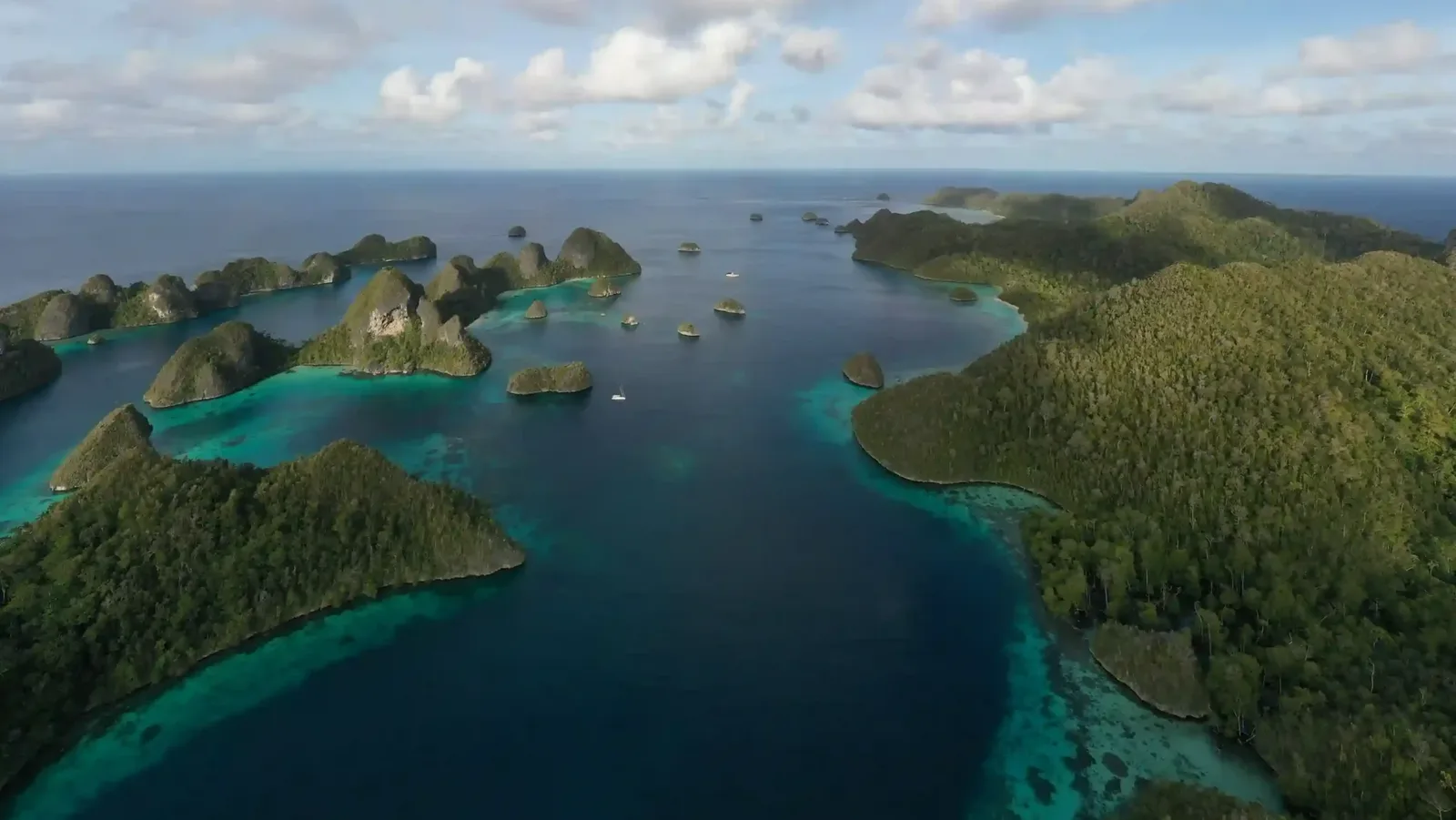
- Remote limestone islands, beautiful topside scenery. Exposed to open ocean, so swell can be more of a factor in the windiest months. Typically included in full Raja itineraries across the main season.
- Misool (South Raja)
- Famed for soft corals, seamounts and rich fish life. Can feel more exposed to swell in the May–September windier period, so many liveaboards favour Misool heavily from roughly November–March when seas are calmer.
- Manta cleaning & feeding stations
- Specific manta spots have their own micro‑patterns based on currents, plankton and tides. Operators time visits for the best tidal windows inside that broader November–March “sweet spot,” but mantas remain wild and unpredictable.
If a particular area (for example, Misool) is a must‑visit for you, discuss timing with the sales team and the cruise director early. Routes can evolve season‑to‑season based on local regulations and conservation agreements.
To get an up‑to‑date view on how routes match the month you’re considering, you can plan your trip with the Komodo Luxury team directly via WhatsApp at +62 811-3823-875 or email [email protected].
Matching Season to Your Dive Experience Level
Raja Ampat is not a training‑wheels destination. Even in calm months, you’re likely to face:
- Moderate to strong currents on many of the signature sites.
- Drift ascents and blue‑water safety stops away from a reef.
- Multiple deepish dives per day across several days on a liveaboard.
Here’s how I match certification and experience to season and expectations:
- Minimum certification: PADI Open Water is the absolute floor, but that will limit you. For most Raja itineraries, I strongly prefer guests to have Advanced Open Water or equivalent and to be comfortable beyond basic training dives.
- Recent dives: Before you fly halfway across the world to tackle Raja currents, have a recent log of dives in the last few months, ideally with at least some drift experience. Lombok and the Gili Islands are excellent preparation grounds.
- Best months for less‑experienced divers: The calmer window of roughly November–April, when surface conditions are more forgiving. You’ll still need solid buoyancy and situational awareness, but you’ll reduce the odds of battling rough seas on every crossing.
- Experienced divers & photographers: For those happy in current and able to manage their gas and deco limits cleanly, any of the October–April months can work. January–March is hard to beat for activity, accepting some rain squalls.
Advanced‑level “hero” sites with ripping current are always optional. No credible cruise director will drag you into something that’s above your level — but you need to be honest about your experience when booking. I’m blunt about this with my own Lombok guests; Raja Ampat deserves the same honesty.
What You Actually See, By Season
Raja Ampat is one of the richest coral reef systems on the planet. Coral cover, reef fish diversity and macro life are consistently high through the year. Seasonal variation is mostly about big animals and visibility.
Year‑round highlights
These are not season‑dependent:
- Hard and soft corals: Huge variety and coverage across slopes, seamounts, walls and pinnacles.
- Reef fish: Anthias clouds, fusiliers, snappers, groupers, sweetlips, and resident reef sharks (usually white‑tip and black‑tip).
- Macro: Pygmy seahorses, nudibranchs, crabs, shrimps and occasional rare critters, depending on the guide’s eyes and time allocated.
Seasonally influenced encounters
Again: these are wild and never guaranteed; what follows is about probability, not promises.
- Manta rays: Probability is higher around the core October–April, with many operators seeing their best manta traffic around November–March at known cleaning and feeding sites.
- Pelagic schools and action: Current‑swept seamounts and channels can see more concentrated activity when plankton is thicker — often in the same months mantas are more active.
- Visibility swings: Dry, stable periods can give clearer water; planktonier phases reduce viz a little but bring the food chain alive.
There are no reliable, ethical whale shark feeds or baited shark dives in Raja Ampat the way you see in some other parts of Indonesia. Reef sharks are common, but if your priority is hammerhead or whale shark hunting, you should be looking at different Indonesian regions and specific seasonal runs — and even then, nothing is guaranteed.
Raja Ampat Liveaboards with Komodo Luxury
Lombok Diving focuses on daily diving and short trips around Lombok, the Gili Islands and nearby Nusa Penida. For Raja Ampat, you need a serious liveaboard operation.
Komodo Luxury, under Juara Holding Group Limited, has become one of Indonesia’s respected phinisi specialists since 2015. They operate:
- Komodo Signature – a luxury wooden phinisi, designed for comfort and extended expeditions.
- Komodo Prestige – another upscale phinisi, similarly geared toward premium cabin standards and diver‑friendly layouts.
Both are traditional Indonesian vessels refitted for modern liveaboard comfort, running scheduled departures in Raja Ampat during the main season. TripAdvisor Traveller’s Choice Awards from 2022 through 2025 reflect consistent guest feedback across their fleet; those are third‑party awards, not self‑anointed badges.
Typical Raja itineraries (which can change year‑to‑year) cover:
- Central Raja (Dampier Strait area) – rich reefs, manta points, drifts.
- Southern Raja (Misool region) – famous soft corals, seamounts, fishy pinnacles.
- Northern highlights on longer trips – limestone islands and remote sites, conditions permitting.
You’re usually looking at roughly a week plus on board to do the region any justice, with 3–4 dives per day depending on the day’s schedule and crossings.
Indicative costs (last verified June 2026)
Exact pricing depends on season, vessel, cabin tier and trip length, but as a planning ballpark:
- Per‑person liveaboard packages: often fall somewhere in the mid‑ to high‑four‑figure USD range for a typical Raja Ampat itinerary.
- Extras: park fees, rental gear (if needed), nitrox and domestic flights within Indonesia usually sit on top of the base cruise price.
For current schedules and a personalised quote, contact the Komodo Luxury sales team via WhatsApp at +62 811-3823-875, email [email protected], or plan your trip through the site. No one can pay to change what we publish; if you proceed with our partner they may pay us a referral fee at no extra cost to you.
How to Choose Your Best Month in Raja Ampat
Combine all the above into a practical decision:
- If mantas and big‑fish are your top priority: Aim for November–March, accepting some rainy days and the usual crowds at headline sites.
- If you hate rough seas: Target October–April, staying away from the windiest mid‑year months that can bring more swell.
- If you want fewer boats around: Shoulder periods like October and April often strike a good balance of conditions and traffic.
- If your dates are fixed outside peak season: Talk to the operator early about which regions are realistic at that time; a well‑planned northern/central route in off‑peak months can still deliver superb diving, even if you skip certain southern islands.
From my perspective as an instructor based in Lombok, the key is honesty about your skill level and flexibility about “must‑see” wildlife. If your timeline forces you into a less‑than‑ideal month for mantas, you will still get some of the most vibrant reef diving on Earth.
Preparing for Raja Ampat from Lombok & the Gilis
If you’re diving Lombok or the Gili Islands with us before Raja Ampat, use that time to sharpen skills:
- Log some current‑affected dives around Lombok’s south coast or the Gili drift sites.
- Fine‑tune buoyancy on our coral slopes and walls, so you arrive in Raja with trim dialled in.
- Consider completing PADI Advanced Open Water or a Drift / Nitrox specialty ahead of your liveaboard — you’ll get more from every dive and have more options open on the boat.
We can advise on sequencing: a few days of diving around Lombok and the Gilis, a domestic hop to Sorong, then straight onto your Raja liveaboard is a very workable plan if you manage surface intervals and flights properly.
If you want help aligning Lombok preparation dives with a Raja Ampat cruise window, plan your trip with our team and Komodo Luxury together via WhatsApp at +62 811-3823-875.
FAQs: Best Time to Dive Raja Ampat
Is there a bad time to dive Raja Ampat?
There isn’t a “shut down” season, but May–September can bring more wind and swell, especially in the south, and some manta sites are less reliable. October–April is generally preferred for calmer seas and better access to the full range of itineraries.
Which month has the best visibility in Raja Ampat?
Visibility swings with plankton, rain and local currents, not just the calendar. Many divers report clearer water in parts of the October–April window, but the same plankton that reduces viz slightly also feeds mantas and dense fish life, so “perfect blue” is not always the most exciting diving.
Do I need to be Advanced Open Water to dive Raja Ampat?
Technically some sites can be dived with an Open Water certification, but for a full liveaboard itinerary in Raja Ampat, Advanced Open Water or equivalent is strongly recommended. You’ll be safer and able to join more dives, especially deeper or current‑exposed sites.
Are manta rays guaranteed if I visit in peak season?
No. Manta rays are wild animals. November–March gives you the best chances at known cleaning and feeding stations, but no responsible operator will guarantee sightings on a specific day or trip.
How far in advance should I book a Raja Ampat liveaboard?
For peak months like November–March, securing a cabin 9–12 months ahead is sensible, especially on higher‑end phinisi vessels such as Komodo Signature or Komodo Prestige. Shoulder periods may have more last‑minute flexibility, but cabins still sell out.