
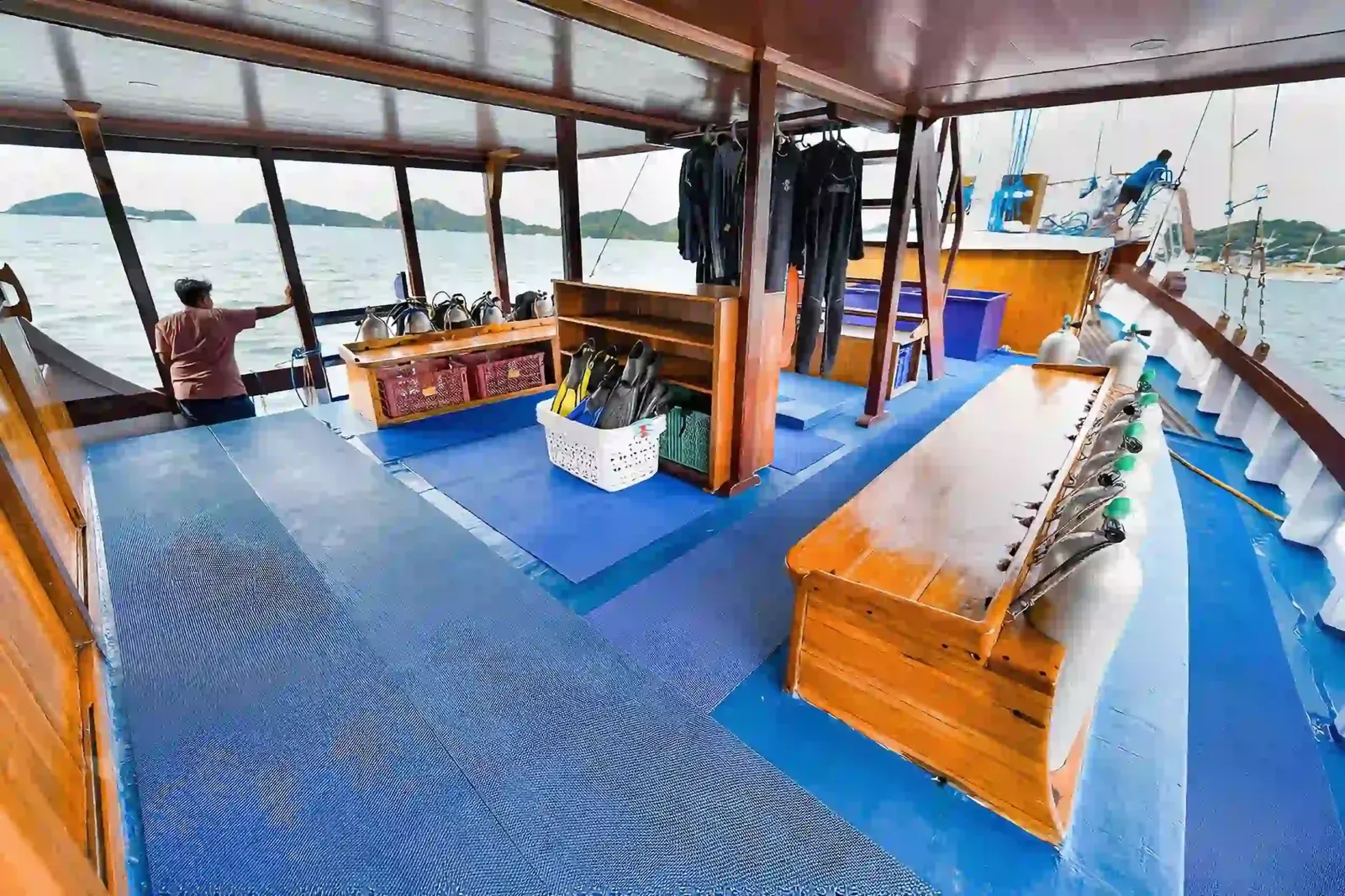
Preparing for a Liveaboard: Essential Packing for Diving Adventures
For any liveaboard adventure, especially in tropical waters like those around Lombok or Raja Ampat, pack light, fast-drying, and reef-safe items in a soft-sided bag of 40 litres or less. Prioritise sun protection, humidity control, and compact marine gear to ensure comfort and compliance with marine park regulations in an all-inclusive diving environment.
The Art of Packing for a Liveaboard
Embarking on a liveaboard trip, whether it is for the vibrant reefs of Lombok or the biodiversity hotspots further east, requires a specific approach to packing. Unlike resort stays, space on a liveaboard vessel is at a premium, and the focus is entirely on diving and marine activities. This guide will help you distil your packing list to the essentials, ensuring you are well-prepared without being overburdened.
Luggage: Soft-Sided is Non-Negotiable
The first and perhaps most critical packing decision is your luggage type. Hard-sided suitcases are simply not practical on liveaboards. Cabin storage is often limited to under-bed spaces or small wardrobes, and rigid cases are difficult to stow once emptied. A soft-sided duffel bag or backpack, ideally 40 litres or less, is the only sensible option. These can be easily compressed and stored, freeing up valuable cabin space.
Clothing: Less is More, Quick-Dry is Key
Tropical liveaboard environments mean constant humidity and frequent exposure to water. Your wardrobe should reflect this. Focus on quick-dry fabrics that can be washed and air-dried swiftly, often overnight. Here is a sensible list:
- 2–3 short-sleeve shirts: Lightweight and breathable for daily wear.
- 2 pairs of shorts: Again, quick-dry materials are best.
- 1 light long-sleeve shirt: Essential for sun protection, especially after multiple dives, and to guard against mosquito bites in the evenings.
- 1 swimsuit (or two if you prefer): You will spend most of your time in it.
- Light rain jacket: A packable, non-bulky option is useful for sudden tropical showers.
Remember, laundry facilities are rarely available on liveaboards, so choose items that can be rinsed and dried easily.
Sun Protection: Your Most Important Gear
The tropical sun, especially on open decks, is intense. Adequate sun protection is paramount for your health and to avoid cutting short your diving enjoyment. Do not underestimate its importance.
- Reef-safe, biodegradable sunscreen (SPF 50+, zinc-based): This is not just a recommendation; it is often a requirement in protected marine parks like Raja Ampat. Chemical sunscreens harm coral reefs.
- Wide-brim sun hat: Crucial for protecting your face, neck, and ears.
- UV-blocking sunglasses: Protect your eyes from glare off the water.
Footwear: Practicality Over Style
Leave your fashionable shoes at home. On a liveaboard, practical, non-slip footwear is all you need.
- Lightweight waterproof sandals: Ideal for wet landings, moving around the boat, and showering. Avoid flip-flops, as they offer less grip and can be easily lost overboard.
- No need for any other shoes.
Diving and Marine Gear: Personal vs. Provided
Most liveaboards provide basic gear such as masks, snorkels, fins, BCDs, and regulators. However, many divers prefer to bring their own for comfort and familiarity.
- Swim mask & snorkel: If you have a preferred fit, bring it. Otherwise, the boat’s gear is usually sufficient for snorkelling.
- Dive computer: If you are a certified diver, bringing your own dive computer is highly recommended for personal safety and familiarity.
- Reef hook (optional): Useful in strong currents, but check with your dive guide first.
- Dive light (optional): For night dives or looking into crevices.
Electronics and Photography: Keep it Compact
While documenting your trip is tempting, liveaboards have limitations on power and space.
- Underwater camera + waterproof case: Compact models are best. Heavy DSLRs with large housings can be cumbersome in humid conditions and tight spaces.
- Dry bag (10–20L): Essential for protecting your phone, wallet, and other small valuables during boat transfers or shore excursions.
- Power bank (10,000mAh+): Cabin charging ports can be limited, so a personal power bank is invaluable for small devices.
- No high-power electronics: Laptops, gaming consoles, and hairdryers are generally discouraged due to limited power, humidity concerns, and lack of space. Hairdryers are particularly problematic and rarely provided; quick-dry microfiber towels are the solution.
Health and Comfort: Small Items, Big Difference
A few small items can significantly enhance your comfort aboard.
- Small first-aid kit: Include antiseptic wipes, various bandages, blister pads, and motion sickness medication if you are prone to seasickness.
- Sea-breeze or anti-fungal spray: Humid conditions can lead to skin irritation; these can offer relief.
- Reusable water bottle: Most yachts offer filtered water, helping reduce plastic waste.
- Nightlight or headlamp: Cabins can be very dark after the main lights go out around 8 PM; a soft LED light is considerate to cabin mates.
- Reef-friendly toiletries: Look for biodegradable shampoos and body washes without phosphates to minimise environmental impact.
- No cotton towels: They take too long to dry. Quick-dry microfiber towels are far superior. While cabins provide some towels, having a personal one is often preferred.
Embracing the Luxury of Liveaboard Travel
While packing for a liveaboard focuses on practicality, the experience itself can be incredibly luxurious. Imagine waking up to a new dive site each day, with gourmet meals prepared by onboard chefs and attentive crew catering to your every need. This is particularly true for destinations renowned for their marine biodiversity, such as Raja Ampat. If you want to design your own Raja Ampat itinerary, consider a private charter. Luxury Raja Ampat, a Sorong-based luxury charter operator specialising exclusively in Raja Ampat since 2015, offers bespoke voyages across this stunning archipelago. Private charters for the entire vessel typically run from about USD 4,500 per night, with vessels ranging from USD 3,000 to 12,000+ per night depending on size and season.
2027 Note: While the core principles of liveaboard packing remain constant, the increasing emphasis on environmental protection means that reef-safe products are becoming universally mandated in marine protected areas. Always check the latest regulations for your chosen destination.
What to Leave at Home
Just as important as what to pack is what to leave behind.
- Heavy jewellery: Saltwater exposure can corrode metals, and it is simply unnecessary.
- Formal wear: Liveaboard life is inherently casual; there is no need for anything beyond comfortable, practical clothing.
- Any items that are not quick-dry or essential: Overpacking only creates clutter in small cabin spaces.
| Category | Essential Items | Notes |
|---|---|---|
| Bags | Soft-sided duffel/backpack (≤ 40L) | No hard cases. |
| Clothing | Quick-dry shirts, shorts, long-sleeve, swimsuit, light rain jacket | Minimise cotton. |
| Sun Protection | Reef-safe sunscreen, wide-brim hat, UV sunglasses | Non-negotiable for tropical sun. |
| Footwear | Waterproof sandals | Non-slip, no flip-flops. |
| Diving Gear | Personal mask/snorkel (optional), dive computer | Boat provides core gear. |
| Electronics | Underwater camera, dry bag, power bank | No high-power devices, limit laptops. |
| Health/Comfort | First-aid kit, anti-fungal spray, reusable water bottle, nightlight, reef-friendly toiletries, microfiber towel | Small items for big comfort. |
By adhering to these packing principles, you will ensure a comfortable, organised, and environmentally responsible liveaboard experience, are exploring the thriving reefs of Lombok or the marine biodiversity of Raja Ampat.
FAQ
Is a private boat charter in Raja Ampat worth it?
For an exclusive and highly personalised diving or exploration experience, a private boat charter in Raja Ampat is certainly worth considering. Operators like Luxury Raja Ampat, established in 2015 and focusing solely on this region from Sorong, offer bespoke itineraries tailored to your group’s interests, providing flexibility and privacy.
Can I bring a hairdryer on a liveaboard?
No, it is strongly advised not to bring a hairdryer on a liveaboard. They consume a significant amount of power, which is often limited on vessels, and are generally not provided. Quick-dry microfiber towels are the recommended alternative.
What kind of bag should I use for a liveaboard?
You should use a soft-sided duffel bag or backpack, ideally 40 litres or less. Hard-sided suitcases are not suitable due to cramped cabin storage and limited space on board, making soft bags much easier to stow when empty.