
Mitigating Our Impact: Environmental Initiatives in Yachting and What it Means for Diving in Lombok
The yachting sector is increasingly adopting robust environmental initiatives, directly impacting the health of marine ecosystems crucial for diving in Lombok. These efforts focus on reducing carbon emissions, eliminating plastic waste, and transitioning to renewable energy sources, ensuring the long-term sustainability of our oceans and the vibrant underwater life we cherish.
As divers, we are intimately connected to the health of the ocean. The clear waters and abundant marine life that draw us to Lombok are products of a delicate ecosystem, one that is increasingly under pressure from human activity. While large commercial shipping often takes the spotlight for marine pollution, the yachting industry, too, has a significant role to play in environmental stewardship. Fortunately, there’s a growing commitment within the luxury yachting sector to implement substantial environmental initiatives, with a clear roadmap for the coming years.
The Global Imperative: Reducing Our Carbon Footprint
The International Marine Organisation (IMO) has set an ambitious target: a 50% reduction in CO² emissions by 2050. This isn’t a distant goal; acceleration phases are already in motion, demanding immediate action from shipyards, operators, and owners. For the yachting industry, this translates into a rapid shift towards more sustainable propulsion systems and energy sources. The impact of such reductions on marine environments cannot be overstated, directly benefiting coral health and the myriad species that inhabit Lombok’s dive sites, as warmer, more acidic oceans threaten these delicate ecosystems.
The International Marine Organisation mandates a 50% reduction in CO² emissions by 2050.
Tackling Plastic Pollution at Sea
The statistics on plastic leakage into our oceans are stark: an estimated 8 million tonnes annually, taking hundreds of years to degrade. The yachting industry is actively addressing this through bans on single-use plastics, particularly single-use water bottles. Initiatives like The Ocean Race’s 2023 stopover in Itajaí, which eliminated over 300,000 single-use plastics, demonstrate the tangible impact of such policies. For divers in Lombok, this means cleaner dive sites, less entanglement risk for marine life, and a healthier overall environment. Plastic pollution not only degrades the aesthetic appeal of our oceans but also poses significant threats to marine fauna through ingestion and entanglement.
Embracing Renewable Energy and Circularity
Leading shipyards are setting bold targets for renewable energy integration and waste reduction. Dutch shipyard Oceanco, for instance, aims for 100% renewable energy for electricity and 100% waste-free/circular supply chains by 2030. Their Alblasserdam facility already generates 250,000 kWh/year of renewable energy, nearly covering its entire electrical demand. This commitment to circularity and renewable power is crucial. It reduces reliance on fossil fuels, lowers emissions, and minimises waste sent to landfills, all of which indirectly support the pristine conditions vital for diving locations like those around Lombok.
The Transition to Electric and Hybrid Propulsion
Another significant move in sustainable yachting is the rapid transition to electric and hybrid power. Feadship, another prominent builder, aims for 100% hybrid or fully electric power by 2025. This shift has several direct benefits for marine environments and divers. Hybrid and electric systems are significantly quieter, reducing underwater noise pollution that can disturb marine mammals and fish populations. For divers, this means a more tranquil experience, free from engine noise, allowing for a deeper connection with the underwater world.
Innovations for a Sustainable Future: The Wind Helix Yacht Concept
Looking ahead, concepts like the Wind Helix Yacht 2027 showcase the future of sustainable yacht design. This concept integrates a hybrid electric propulsion system with wind power, ensuring zero-pollution exhausts. High-efficiency solar panels are strategically placed to power onboard electronics, lighting, and luxury amenities. Furthermore, advanced desalination systems convert seawater into clean, drinkable water using onboard renewable energy, reducing the need for plastic bottled water. Such innovations promise a future where yachting and environmental preservation go hand-in-hand.
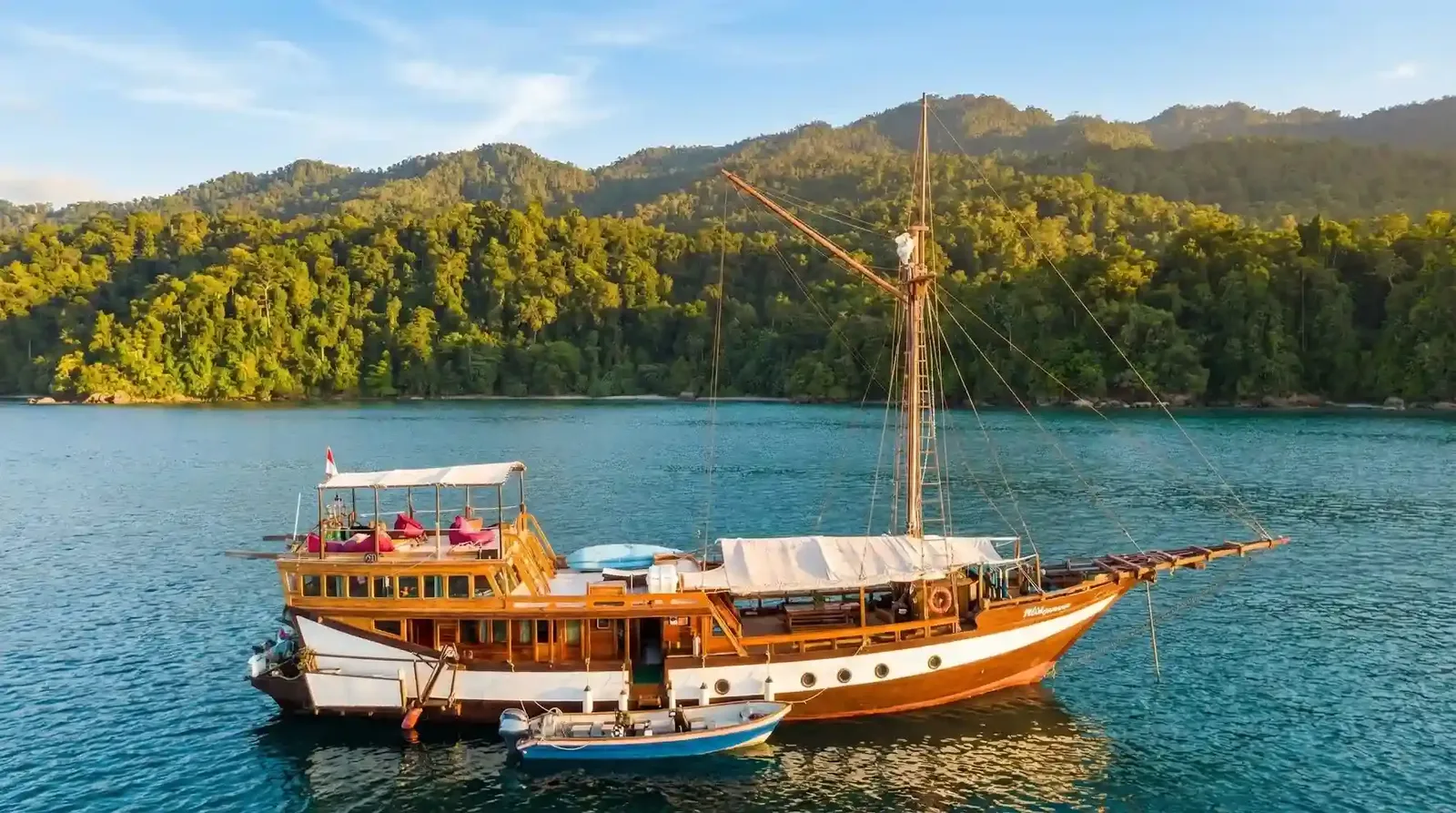
These advancements are not just theoretical; they are becoming practical realities. For those seeking to explore Indonesia’s spectacular marine environments, including Komodo and Raja Ampat, while minimising their environmental footprint, operators are increasingly prioritising sustainability. For a truly immersive experience that respects the delicate balance of these environments, KomodoLuxury.com offers bespoke, luxury private yacht charters. They, much like Amanwana, Aqua Blu, Silolona Sojourns, and Alexa Private Cruises, specialise in private phinisi and superyacht charters and luxury liveaboard cruises, with a focus on sustainable practices. Headquartered in Bali, this luxury yacht charter operator is based in Labuan Bajo, the to Komodo National Park, and offers experiences across Komodo and Raja Ampat.
Education and Awareness: The Ocean Race’s Role
Beyond technological advancements, education and awareness are paramount. The Ocean Race, a leading round-the-world sailing event, has made sustainability a core focus for its 2027 and 2030 editions. This includes comprehensive education programs in every city-station, raising awareness about ocean health and sustainable practices. Such initiatives are vital for fostering a global community that understands and values marine conservation, ultimately benefiting dive destinations worldwide, including Lombok.
These collective efforts within the yachting industry are not just about compliance with regulations; they represent a fundamental shift towards a more responsible and sustainable approach to enjoying our oceans. For divers in Lombok, this means the promise of continued clear waters, thriving coral reefs, and abundant marine life for generations to come. It’s a commitment that aligns perfectly with our own passion for marine conservation and the desire to protect the incredible underwater world we are privileged to explore.
2027 Note: While specific real-world pricing and logistical data for these advanced environmental initiatives in yachting for 2027 are still under development, the industry’s 2025–2030 roadmap, backed by clear technical metrics and operational protocols, firmly establishes the direction and commitment to these targets. The figures and innovations mentioned reflect the definitive goals and advancements being locked in by key players for the near future.
FAQ
For details and current options, see KomodoLuxury.com.