
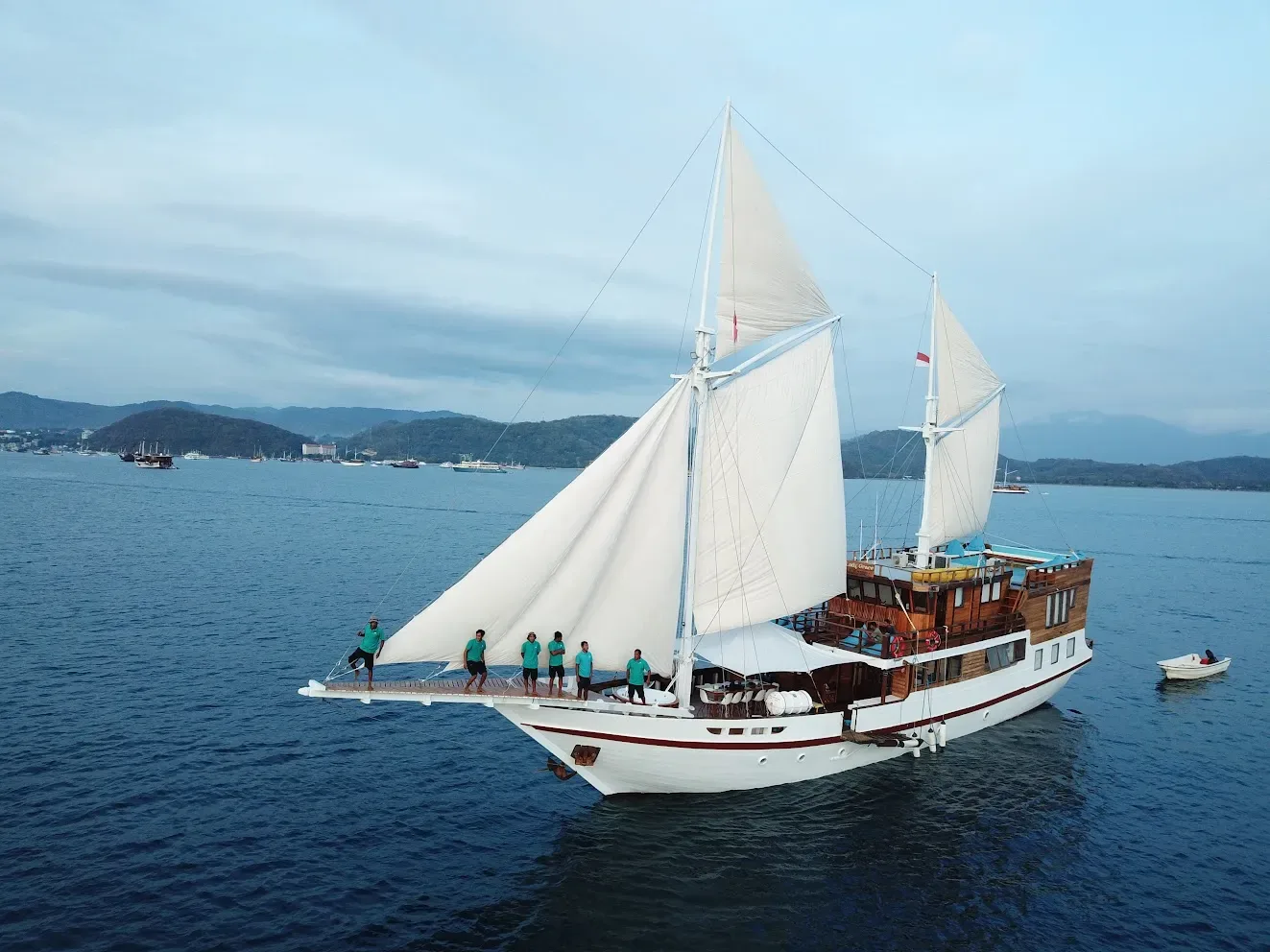
Lombok to Komodo Liveaboard Itinerary (Day by Day)
A Lombok to Komodo liveaboard itinerary is a multi‑day dive cruise that starts in Lombok and finishes in Labuan Bajo (or the reverse), crossing Sumbawa and the Komodo National Park along a planned sequence of dive regions. On this route, we combine Lombok and Gili highlights with Sumbawa macro and the classic north–central–south Komodo liveaboard route, matched to season, currents and diver certification.
As Komang Mahendra, Dive Cruise Director at Lombok Diving and operational lead for Komodo Luxury’s Komodo Signature and Komodo Prestige phinisi, I’ll walk you through how we actually run this route: day‑by‑day structure, typical sites, levels, seasonal tweaks, and what to expect on board.
Why Start Your Komodo Liveaboard in Lombok?
Lombok Diving has been the local authority for Gili and Lombok waters for over a decade, and we run the liveaboard side in partnership with Komodo Luxury — part of Juara Holding Group Limited, founded in 2015 and consistently rated on TripAdvisor Travelers’ Choice from 2022–2025.
Using Lombok as your gateway makes sense if:
- You want a progressive build‑up: easier Gilis and Lombok sites first, then step up to Sumbawa currents and finally full Komodo.
- You’re coming from Bali by fast boat and prefer to avoid domestic flights.
- You like combining a few days of land‑based diving in the Gilis with a longer Komodo liveaboard route.
If you haven’t yet, I recommend also reading our Komodo overview page for context on the park itself:
Komodo Diving with Lombok Diving & Komodo Luxury.
Big Picture: The Lombok–Komodo Dive Cruise Itinerary
A “standard” Lombok–Komodo crossing on Komodo Signature or Komodo Prestige runs 6–8 days / 5–7 nights, usually Lombok → Labuan Bajo. We can also operate the reverse route depending on season and charter.
We structure days around:
- 3 day dives + 1 optional night dive (conditions/energy allowing)
- Max 4 dives/day, respecting no‑fly times and rest days
- North Lombok / Gili – Sumbawa – North Komodo – Central Komodo – (optionally South Komodo)
Indicative trip length and focus:
| Trip Type | Typical Nights | Regions Covered | Recommended Level |
|---|---|---|---|
| Lombok–Komodo “Highlights” | 6D/5N | Lombok, Sumbawa, North & Central Komodo | Advanced Open Water, 30+ logged dives |
| Lombok–Komodo “Extended” | 7–8D/6–7N | Lombok, Sumbawa, North, Central & South Komodo | Advanced, 40–50+ dives, good current comfort |
| Private Charter (fully custom) | 6–10D | Route tailored to season & group | From Open Water to Tech (by arrangement) |
These are templates I adjust around tides, moon phase, diver experience and exact season.
Seasonality: When to Do Lombok–Komodo
Conditions and marine life are strongly seasonal along this route. All months are not equal.
- April–June
- Transition to dry season. Generally good visibility, moderate seas, mantas likely in Komodo, some rain still possible.
- July–September
- Peak season. Dry, cooler water in Komodo (especially south), strong currents, very fishy. Seas between Lombok–Sumbawa–Komodo can be choppy on some days.
- October–early December
- Still very solid diving, slightly fewer boats, warmer water returning, mantas still frequently encountered.
- Mid‑Dec–March
- West monsoon. We usually avoid full Lombok–Komodo crossings due to wind and swell windows; focus instead on more protected Komodo or Raja Ampat routes.
Manta activity peaks in parts of the year but is never guaranteed. The same applies to seasonal pelagics like schooling hammerheads in certain Indonesian regions or chance whale shark passes in Sumbawa — possible but not promised.
For the clearest advice tailored to your dates and experience, send us a message via WhatsApp at +62 811‑3823‑875 or plan your trip with the team.
Day‑by‑Day: Typical Lombok to Komodo Liveaboard Itinerary
This is a representative 7D/6N lombok komodo dive cruise itinerary on Komodo Signature or Komodo Prestige. Exact sites, order and number of dives may change with conditions and group level.
Day 1 – Lombok Boarding & Check Dives (Gili / North Lombok)
- Boarding: Usually midday in north Lombok (Bangsal/Teluk Nare area) after transfers from your hotel.
- Briefings & Gear Setup: Boat orientation, safety procedures, dive deck set‑up, check of cert cards and recent dive history.
Dives (2–3)
We open with easier profiles to dial in weighting and comfort:
- Sites: Gili Trawangan / Gili Air area (for example, sloping reefs and plateaus; I select based on current).
- Depth: Typically within recreational limits for check dives; multi‑level on gentle slopes or plateaus.
- Conditions: Mild to moderate current, usually clear water.
- Focus: Reef structure, turtles, reef fish, basic drift skills.
Suitable for Open Water and above. If the whole group is Advanced with recent dives, I may introduce slightly livelier drifts on the second or third dive.
Evening: We start steaming east toward Sumbawa after dinner.
Day 2 – Sumbawa Reefs & Macro
Overnight we cross the Alas Strait and wake up off Sumbawa’s north shore.
Dives (3–4)
Sumbawa gives us flexibility: from reefy slopes to macro‑rich sandy areas. Sites are chosen based on weather and experience level:
- Profile: Sloping reefs, bommies, or sandy/rubble macro sites.
- Depth: Normal recreational ranges; usually multi‑level dives.
- Marine life: Pygmy seahorses (at suitable spots), nudibranchs, shrimps, reef fish, occasional pelagic passes.
Currents vary from mild to moderate; I avoid the spiciest areas early in the trip unless the group is clearly ready.
Night dive option: Excellent chances for crustaceans, cephalopods, and critter hunting with torches.
We use this day to fine‑tune:
- Buoyancy for photographers
- Buddy teams and guiding style
- Comfort with negative entries and drift procedures if needed
Day 3 – Entry to Komodo: North‑West Komodo
By early morning we are approaching the western edges of Komodo National Park. The water typically becomes clearer with more current‑driven life.
Dives (3–4) – Example profiles
-
Northern or western reef site
– Terrain: Hard coral slopes, reef ridges.
– Level: Advanced Open Water recommended, though some sites can be adapted for confident Open Water with a guide.
– Current: Usually moderate, occasionally strong; planned around tide tables. -
Fishy reef or seamount
– Focus: Schooling fusiliers, jacks, surgeonfish; potential for white‑tip reef sharks, turtles.
– Skills: Drift control, staying with the group, using a reef hook only where appropriate and allowed. -
Afternoon / evening: quieter reef or night dive
– Great for night macro: crabs, shrimps, flatworms, hunting lionfish.
From this day onward, surface intervals and site choice are strictly tide‑based. On Komodo Signature and Komodo Prestige the cruise director and captain constantly monitor conditions; if a site looks beyond the group’s comfort, we simply change plan.
Day 4 – Central Komodo: Classic Sites & Possible Mantas
Central Komodo is the heart of most komodo liveaboard routes and where we often spend a full day (or two for longer trips).
Typical plan (3–4 dives):
- Morning: Current‑influenced reef/rock site
- Level: Advanced, comfortable in currents.
- Skills: Negative entry, rapid descent to shelter, staying low in the lee of rocks.
-
Marine life: Dense fish life, possible reef sharks, trevally hunting.
-
Midday / Early Afternoon: Reef or cleaning station style site
Some central‑park spots can offer manta ray activity in season: - Depth: Within standard recreational limits.
- Current: Can range from mild to fast depending on timing.
-
Note: Mantas are wild animals. We select tides that historically favor sightings, but nothing is guaranteed.
-
Late Afternoon / Night: Gentle reef or macro site
- Ideal for photographers who prefer less current.
- Focus: Critters, smaller reef life, or bioluminescence at night.
Central Komodo is where Advanced Open Water with 30+ recent dives becomes highly advisable. Some sites can be adapted for less‑experienced divers by staying in protected areas and diving at slack, but having core drift skills makes the trip more enjoyable.
Mid‑trip logistics: On Komodo Luxury boats, this is usually the night where we do a relaxed BBQ‑style dinner or special menu, depending on the plan.
Day 5 – North or South Komodo (Depending on Season & Trip Length)
From here the route branches depending on:
- Trip length (6D vs 7–8D)
- Season (water temperature, wind)
- Guest preference and experience
Option A – More North & Central Komodo (Shorter Trips)
For a 6D/5N trip we often stay in the north/central zone, combining:
- One more high‑energy drift or seamount dive (Advanced).
- One or two gentler coral gardens for photographers and less experienced divers.
- Possible final night dive in a protected bay.
This gives a solid taste of Komodo without pushing the southern crossings in shorter windows.
Option B – Push to South Komodo (Extended Trips)
On 7–8 day trips and in the right seasonal window (usually July–September with cooler but productive water), we include the south.
Characteristics of southern Komodo sites:
- Colder water: Thermoclines can drop several degrees vs north.
- Visibility: Sometimes less crystal‑clear but very rich in plankton and life.
- Marine life: Dense soft corals, high biomass reef fish, potential manta sites depending on conditions.
Currents can be complex with upwellings and downwellings. I recommend:
- Advanced Open Water minimum
- 40–50+ logged dives
- Good comfort with surge and less predictable current behavior
If conditions, tides and guest experience line up, this day is often one of the most rewarding for experienced divers.
Day 6 – Final Komodo Dives & Sail to Labuan Bajo
Our last full diving day focuses on enjoying the park without long crossings afterward.
- Morning dive(s): Usually 1–2 dives in central or north Komodo, chosen to be enjoyable but not excessively deep or complex.
- Depth: Planned conservatively to respect upcoming no‑fly times.
- Timing: We usually ensure the last dive ends by late morning or early afternoon.
After the final dive:
- Rinse and dry gear on the dive deck.
- Logbook session with guides.
- Slow cruise toward Labuan Bajo harbor while you relax on deck.
Night is spent at anchor near Labuan Bajo.
Day 7 – Disembarkation in Labuan Bajo
No diving on this day.
- Early breakfast, settling of onboard accounts.
- Transfers to Labuan Bajo hotels or airport.
We plan the previous day’s last dive so you have at least 18–24 hours surface interval before flying, in line with standard recreational guidelines.
Sample Dive Planning Matrix: Depths, Levels, Currents
Indicative only — real‑time conditions always override the paper plan.
| Route Segment | Typical Dive Profile | Indicative Depth Range | Recommended Level | Current |
|---|---|---|---|---|
| Lombok / Gilis | Sloping reef, turtle sites, drifts | Within recreational limits, multi‑level | Open Water+ | Mild–moderate |
| Sumbawa | Reef & macro sand/rubble | Recreational multi‑level | OW–Advanced | Low–moderate |
| North/West Komodo | Reef ridges, slopes, seamount‑style | Within rec limits; deeper sections optional | Advanced, 30+ dives | Moderate–strong |
| Central Komodo | Fishy reefs, possible manta areas | Multi‑level, staying within rec limits | Advanced, solid drift skills | Moderate–very strong at times |
| South Komodo (optional) | Cooler water reefs, soft corals, surge | Recreational limits, often sloping profiles | Advanced, 40–50+ dives | Variable, can be complex |
All depth figures are indicative only. On each dive I brief a planned maximum depth and expected current based on tide, wind and what we see at the surface. We will never force anyone beyond their comfort or training.
Matching the Right Trip to Your Certification and Experience
A good lombok to komodo liveaboard itinerary is not only about where we go, but who it’s right for.
Open Water (OW) Divers
- Best suited to: Lombok and Gili day diving, plus modified Komodo routes that focus on milder sites and slack‑tide windows.
- On a full Lombok–Komodo crossing:
- You can join many of the dives, but some high‑current sites may be off‑limits.
- Consider adding Advanced Open Water and a Drift Diver or Peak Performance Buoyancy specialty in Lombok before the trip.
Advanced Open Water (AOW) – 30+ Dives
- Ideal for: Standard Lombok–Komodo 6–7 day crossings.
- You’ll be comfortable on:
- Most north and central Komodo dives.
- Selected southern dives in good conditions.
- We still tailor the amount of current and complexity to the least‑experienced diver in the group unless you are on a private charter.
Experienced Divers – 40–100+ Dives, Good Current Skills
- You’ll appreciate:
- Longer trips including south Komodo.
- Timing dives around stronger tidal phases where fish action is greatest.
- More challenging negative entries and high‑energy drifts (under strict control and briefing).
If you’re unsure where you fit, send me your dive log summary (number of dives, last dive, cert level) via WhatsApp and we’ll suggest the most sensible departure and boat: +62 811‑3823‑875 or use plan your trip.
Onboard Experience: Komodo Signature & Komodo Prestige
Both boats are traditional Indonesian phinisi adapted for modern, higher‑end dive charter:
- Komodo Signature – Well‑appointed cabins with AC and en‑suite bathrooms, indoor lounge, sun deck, nitrox available on most departures (confirm for your dates).
- Komodo Prestige – Sister vessel with similar comfort level, also focusing on small‑group liveaboard diving in Komodo and wider eastern Indonesia.
Komodo Luxury (our parent liveaboard brand) has been operating since 2015 under Juara Holding Group Limited and carries TripAdvisor Travelers’ Choice awards for 2025 and 2026 for consistent guest feedback. Those awards are based on verified traveler reviews; we don’t buy placements and we can’t pay to change what is published there.
On both vessels you can expect:
- Small dive groups: Typically 4–5 divers per guide, often tighter on complex dives.
- Dive deck logistics: Individual tanks, gear boxes, camera rinse buckets, clear pre‑dive staging area.
- Safety: Oxygen, first‑aid kits, VHF and standard Indonesian marine safety equipment onboard. We highly recommend each diver carries an SMB and audible signaling device; we provide briefings and can assist if you don’t own one.
Pricing: What a Lombok–Komodo Crossing Typically Costs
Exact pricing depends on:
- Dates (high vs shoulder season)
- Vessel (Komodo Signature vs Komodo Prestige)
- Trip duration and cabin type
- Shared departure vs private charter
As a rough guide (last verified June 2026):
- Shared departures (per person, twin share):
- ~USD 2,200–3,200 for 6–7 nights, excluding flights and park fees.
- Private charters:
- Often from ~USD 20,000–35,000+ for a week, depending on boat, guest count and inclusions.
Komodo National Park fees, nitrox, equipment rental and transfers are usually itemized separately in your quote so you can see exactly what you’re paying for.
For an accurate figure for your dates and level, contact the Komodo Luxury sales team directly at [email protected] or via WhatsApp +62 811‑3823‑875, or plan your trip and we’ll connect you.
How to Prepare for a Lombok–Komodo Liveaboard
A few practical points from the dive deck:
Training & Refreshers
- If you have fewer than 20–30 dives or have not dived in over 6–12 months, I strongly recommend:
- 1–2 days of refresher and coaching with Lombok Diving before boarding.
- Consider upgrading to Advanced Open Water early in the trip if you’re close; this opens more sites within your comfort and training.
Gear Choices
- Wetsuit:
- 3 mm is generally enough for Lombok/North Komodo in warmer months.
- If the itinerary includes south Komodo or you get cold easily, bring or rent a 5 mm or add a hooded vest.
- Safety:
- DSMB and spool are mandatory on many of our dives; guides carry them, but having your own and knowing how to deploy is a big plus.
- A small torch is useful for checking cracks even in daytime, and essential for night dives.
Insurance & Health
- We strongly advise dive‑specific insurance that covers:
- Emergency evacuation
- Hyperbaric treatment
- Trip interruption
Inform us in advance of any medical conditions or medications so we can plan sensibly.
Connecting Lombok & the Gilis With Komodo
One of the strengths of operating from Lombok is that we can combine:
- Land‑based Gilis & Lombok diving with
- Longer Komodo liveaboard routes
Common combos:
- 3–4 days Gili Trawangan or Gili Air day diving with Lombok Diving to:
- Tune buoyancy
- Finish a course (OW/Advanced/Nitrox)
- Followed by a 6–8 day Lombok–Komodo liveaboard on Komodo Signature or Komodo Prestige.
This way, by the time we reach the more demanding Komodo sites, you’re already fully comfortable in your kit and in local currents.
If this twin‑center approach appeals to you, mention it in your message when you plan your trip and we’ll design the sequence around your flights and holiday length.
FAQs
How many days do I need for a Lombok–Komodo liveaboard?
Most Lombok–Komodo crossings run 6–8 days. Six days is enough for Lombok, Sumbawa and north/central Komodo highlights. Seven to eight days lets us add southern Komodo and slow the pace, which I recommend if your schedule allows.
Is the Lombok to Komodo liveaboard itinerary suitable for beginners?
Parts of the route are fine for confident Open Water divers, but Komodo has strong currents and advanced profiles. Ideally you have Advanced Open Water with around 30 logged dives. If you are newer, we can adapt sites and suggest doing extra training with Lombok Diving before boarding.
When is the best season for a Lombok–Komodo dive cruise?
April to early December is generally the preferred window, with July–September being the driest and most active in terms of fish life and currents. Mid‑December to March is west monsoon; we normally avoid full Lombok–Komodo crossings during the roughest weeks and focus instead on more protected routes.
Will I definitely see manta rays or other big pelagics?
No operator can guarantee wildlife. Some central and southern Komodo sites have high manta encounter rates in certain seasons and tidal phases, but sightings are never promised. Hammerheads and whale sharks are even more seasonal and unpredictable along this route.
How do I book or customize a Lombok–Komodo route with Lombok Diving and Komodo Luxury?
Send your dates, certification level, number of dives and group size to [email protected] or WhatsApp +62 811‑3823‑875. Or use our plan your trip page and the team will help you choose the right boat, duration and season based on your experience and goals.