
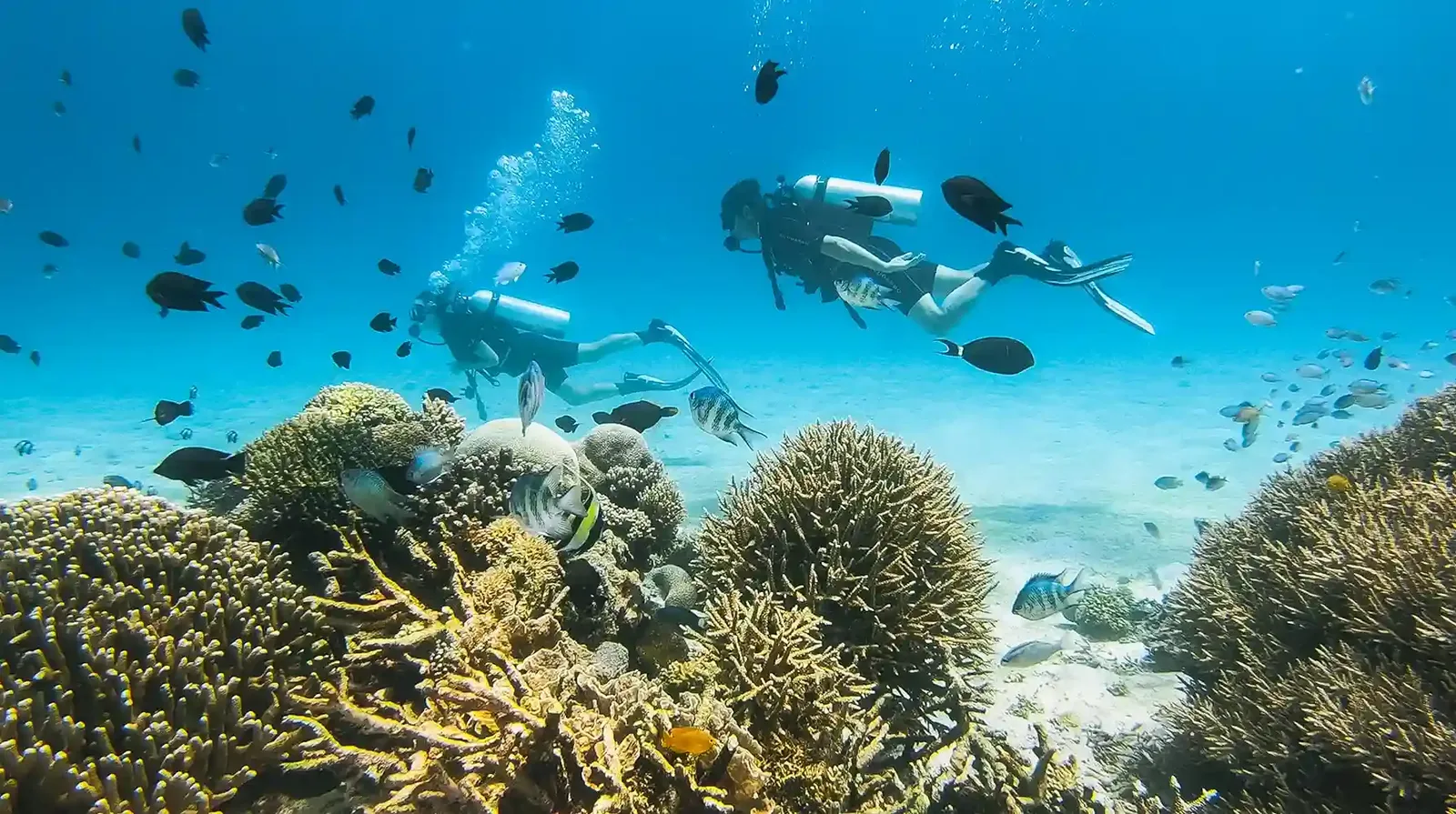
Best Time to Dive Lombok & the Gili Islands (Month by Month)
The best time to dive Lombok and the Gili Islands is generally April–November, with the clearest water and most reliable conditions from June–October. That said, the “best” month for you depends on what you want: calm seas and courses, big fish, fewer crowds, or the most flexible schedules.
As PADI instructors based here in Lombok, we dive these sites year‑round. The truth: there is no single perfect month, but there are very clear seasonal patterns in visibility, swell, wind and marine life that you should understand before you book.
This guide breaks down:
- Lombok diving season vs Gili diving season, month by month
- Typical conditions: visibility, water temperature, wind and swell
- What levels of diver each period suits best
- When you realistically have better chances for mantas, sharks and pelagics
- How to combine Lombok & Gili diving with a liveaboard in Komodo or Raja Ampat
All conditions and depths below are indicative. The sea does what it wants. Advanced sites here and across Indonesia demand the right training and experience.
Lombok & Gili Diving Seasons at a Glance
Before we go month by month, here’s the simple overview I give guests on day one.
| Season | Months (approx.) | Conditions | Best for | Watch out for |
|---|---|---|---|---|
| Dry & Peak Diving | June – October | Generally best visibility, cooler water, more stable conditions | All levels, photographers, advanced drift divers | Busy topside, need to pre‑book popular dates |
| Shoulder (Dry) | April – May | Transition from wet to dry, can be excellent with fewer crowds | Courses, fun diving, flexible travellers | Conditions more changeable week to week |
| Shoulder (Pre‑Wet) | November | Still decent, some days choppier; more rain showers building | Fundives, budget travellers, fewer boats | Visibility can swing quickly |
| Wet Season | December – March | Warm water, more rain and wind, visibility variable | Courses, macro hunters, quiet sites | Rougher crossings, some trip cancellations in heavy weather |
Month-by-Month: Best Time to Dive Lombok & the Gili Islands
Remember: this is a pattern, not a guarantee. We’ve had crystal days in January and low‑vis days in August. Treat this as probability, not promise.
January – Wet, Warm, Quiet
- Overall: Low season. Warm water, more rain, fewer boats.
- Lombok: South Lombok can see stronger swell; north‑side sites (e.g. around the Gilis) are often more sheltered.
- Gilis: Gili diving season is “open” all year. January usually means smaller groups and space on boats.
Typical conditions (indicative):
- Water temperature: ~28–29°C
- Visibility: ~10–20 m, can drop after big rain or wind
- Surface: Wind and chop on some days; crossings occasionally delayed in stronger systems
Good for:
- Beginner courses and refreshers (Open Water, Advanced) on protected sites
- Divers who prefer quiet boats and don’t mind some rain between dives
Less ideal for:
- Those prone to seasickness on choppier days
- Photographers chasing maximum viz and blue‑water shots
Marine life is still solid: turtles, reef fish, cuttlefish, occasional reef sharks on deeper/fringing sites. Macro (nudibranchs, shrimps, small critters) makes the most of any lower viz.
February – Similar to January, Slightly More Stable Late in the Month
- Overall: Still wet, but often a touch more settled than December–January peaks.
- Lombok: Southern swells can still affect advanced sites; we choose sites carefully based on wind and swell.
- Gilis: Good for relaxed fun‑dives and training.
Conditions (indicative):
- Water temperature: ~28–29°C
- Visibility: ~10–18 m
- Chance of short heavy showers, often clearing quickly
Good for:
- Training: Confined skills in protected bays, then easy reefs
- Budget travellers: More promotions, easier to get last‑minute spaces
Considerations:
- Expect flexibility. Your planned site can change on the morning briefing if wind picks up.
- Underwater, life is much the same: turtles, schools of fusiliers, sweetlips, occasional rays.
March – Transition Starts, Can Be Surprisingly Good
- Overall: Late wet season; some of our favourite “quiet good viz” weeks happen in March.
- Lombok: As rain frequency drops, run‑off decreases and visibility can improve.
- Gilis: Gili diving season starts to ramp up as more Europeans and Australians appear.
Conditions (indicative):
- Water temperature: ~28°C
- Visibility: Often ~15–25 m on better days
- Wind: More mixed; you can get very calm windows
Good for:
- Divers wanting value + conditions that can rival dry season
- Photographers who like mixed opportunities: wide‑angle turtles + macro
Watch out for:
- Still not as consistent as July–September, so come with flexible expectations.
April – One of the Sweet Spots
This is where the argument for the best time to dive Lombok really starts.
- Overall: Start of the dry season pattern. Less rain, more stable sun, water still warm.
- Lombok: Very pleasant topside; roads less busy than mid‑year holiday crush.
- Gilis: Clearer water days become more common; still not at peak crowd level.
Conditions (indicative):
- Water temperature: ~27–28°C
- Visibility: Often ~15–25 m; can spike higher on calm weeks
- Surface: Usually moderate to calm; fewer strong storms
Good for:
- Open Water and Advanced courses (good viz without overcrowding)
- Drift dives on suitable sites around the Gilis for confident beginners and intermediates
- Combining diving with land touring in Lombok (waterfalls, Rinjani area) without peak‑season traffic
May – Consistently Strong All‑Round
- Overall: A genuinely solid month across almost all metrics.
- Lombok: Roads and hotels not yet full; sea conditions often comparable to peak months.
- Gilis: Gili diving season really gets going; more boats, but still manageable.
Conditions (indicative):
- Water temperature: ~27–28°C
- Visibility: Frequently ~15–25+ m on the best days
- Currents: Predictable lunar‑driven drifts; some sites can run fast on spring tides
Good for:
- All certifications from beginner to Rescue, plus specialty courses
- Divers wanting strong value before mid‑year school holidays
Considerations:
- Some advanced sites off Lombok with more current start to come into their own for experienced divers. We will always assess on a daily basis and match the dive to your actual ability, not just your card.
June – Start of Peak Dry Season
If you want the best time to dive Lombok and the Gili Islands with maximum chance of blue water and pleasant air temperatures, June–September is the core window.
- Overall: Dry, generally clear, and not yet at the absolute top of high‑season crowds.
- Lombok: Excellent time for both north and certain south sites (swell‑dependent).
- Gilis: Busy but not packed; good energy in the water.
Conditions (indicative):
- Water temperature: ~27°C, can start to cool slightly below that at depth
- Visibility: Often ~18–25+ m on many days
- Surface: Usually calm mornings, some breeze in afternoons
Good for:
- Fun divers at all levels
- Photographers: more consistent light penetration and viz
- Those planning combined trips: Lombok + Komodo liveaboard (see below)
July – Prime Time, Cooler Water
- Overall: High season for both tourism and diving. Excellent underwater, busier topside.
- Lombok: Very reliable conditions; some afternoons can be breezy.
- Gilis: Peak Gili diving season; pre‑book courses and popular day‑trips.
Conditions (indicative):
- Water temperature: ~26–27°C at the surface; can feel cooler on deeper or longer dives
- Visibility: Commonly ~18–25+ m, occasionally more in very calm weeks
- Currents: Some sites show stronger drifts around new/full moon
Good for:
- Confident drift diving around the Gilis (under instructor/guide supervision)
- Advanced and Deep specialty training (conditions more predictable)
Warnings for less experienced divers:
- Not all “drift sites” are suitable for new divers. We categorise sites by actual conditions on the day and your skill, not by a brochure. Expect us to say “no” to certain dives until you’re ready.
August – Peak Season, Peak Demand
- Overall: Similar to July in quality, with more tourists and higher demand across accommodation, ferries and boats.
- Lombok: Great diving, cooler evenings, dry air.
- Gilis: Very active dive scene; mornings fill fast.
Conditions (indicative):
- Water temperature: ~26–27°C
- Visibility: Often ~18–25+ m, though can vary with plankton or wind shifts
- Surface: Usually calmer in the early hours; slight chop possible later
Good for:
- Those who want lively islands and social dive boats
- Divers who prioritise reliable conditions over avoiding crowds
Plan ahead:
- Book your preferred dates, courses and potential add‑ons like Komodo liveaboards early. Premium options and private guides go first.
September – Still Excellent, Slightly Quieter
- Overall: One of my personal favourites: high dry‑season reliability, fewer peak‑holiday crowds.
- Lombok: Great weather; sea state often very manageable.
- Gilis: Strong Gili diving season continues, but September feels less hectic than August.
Conditions (indicative):
- Water temperature: ~26–27°C
- Visibility: Regularly ~18–25 m, sometimes more on settled weeks
- Currents: Still need respect, especially on advanced sites, but patterns are more predictable
Good for:
- All diver levels
- Mixed groups: some doing courses, others logging more advanced dives
October – Transition Back, Still Very Good
- Overall: Tail‑end of the classic dry season. Quietly good, though more variable by the end of the month.
- Lombok: Air slightly warmer; occasional early storm systems starting late in the month.
- Gilis: Fewer crowds, good chance of several blue‑water days.
Conditions (indicative):
- Water temperature: ~27–28°C
- Visibility: Often ~15–25 m early month, can dip as weather patterns change
- Surface: Generally calm to moderate
Good for:
- Divers wanting strong conditions without high‑season prices
- Longer stays: you can afford to “lose” a marginal day if the wind picks up
November – Shoulder into Wet Season
- Overall: Mixed month. Early November can still feel very “dry‑season” in the water; late November more unsettled.
- Lombok: First proper rains usually hit sometime this month, which can affect road travel more than actual diving.
- Gilis: Fewer boats; good if you dislike busy jetties.
Conditions (indicative):
- Water temperature: ~28°C
- Visibility: Very changeable; ~10–20 m average across the month
- Surface: Some choppy days with increasing wind and squalls
Good for:
- Travellers with flexible expectations and tighter budgets
- Macro fans – slightly reduced viz can bring more critters closer to photographers
December – Wet Season Starts in Earnest
- Overall: Warm, green, and wetter. Busy over Christmas/New Year despite the rain.
- Lombok: Some ferries and smaller boats may be disrupted on rougher days.
- Gilis: Turtles don’t go on holiday. You still dive; we just choose protected sites more often.
Conditions (indicative):
- Water temperature: ~28–29°C
- Visibility: ~10–18 m typical, can be better during settled spells
- Surface: Short squalls, some choppy crossings
Good for:
- Training and relaxed fun dives inside sheltered areas
- Those who prioritise warm water and a social festive atmosphere over photogenic blue viz
How Lombok & Gili Conditions Change: Key Factors
Visibility
- Best probabilities: June–October
- More variable: November–March, especially after heavy rain or strong onshore winds
Run‑off from heavy rain can reduce viz close to shore, but offshore reef structures often remain very diveable. We adapt site choice daily.
Water Temperature
- Warmest: December–March (~28–29°C)
- Cooler: June–September (~26–27°C; can feel cooler below thermoclines on deeper or longer dives)
Rash guards or 3–5 mm suits are usually enough. If you’re very cold‑sensitive, mention this when you plan your trip and we’ll advise.
Currents
Currents around Lombok and the Gilis are influenced by tides and regional flow, not just by months. However:
- Perception of difficulty is often higher June–September because divers attempt more ambitious drift or deeper sites.
- For newer divers, we select calmer reefs and schedule dives around tide changes when possible.
If you want “real” current work and drift diving, the dry season typically offers more reliable opportunities—but we will only put you on those dives if your skills, buoyancy and comfort level are genuinely up to it.
Matching Lombok & Gili Seasons to Your Experience Level
- Brand-new divers / Open Water students
- Best: April–June, September–November, when conditions are generally kind and crowds manageable. Wet season is fine too if you accept some lower-viz days.
- Recently certified / Intermediate divers
- Best: May–October. Good viz and more days with gentle drifts to build confidence. We’ll keep you off the wilder sites until we see how you actually dive.
- Advanced / Experienced divers
- Best: June–October for consistent conditions and more options for deeper, current-prone sites. If you’re targeting specific pelagics, timing also depends on the region (see below).
Marine Life Seasonality Around Lombok & the Gilis
Turtles and reef life are resident. Reef sharks, stingrays, cuttlefish, morays and schooling fish are seen year‑round. The variables are usually:
- Plankton & viz – more plankton means more food for filter feeders but less viz for your camera.
- Pelagics – large rays and sharks are wild animals. We don’t promise them on demand.
Around Lombok and the Gilis specifically:
- Turtles – Year‑round, high chance on many Gili sites, especially around popular fringing reefs.
- Reef sharks – Year‑round, more often on slightly deeper reef slopes and channels.
- Macro – Good all year, often feels “better” in lower viz seasons when photographers focus closer.
If your priority is mantas, hammerheads or whale sharks, you are realistically looking at other regions of Indonesia more than Lombok itself, and at very specific seasonal windows.
Combining Lombok & Gili Diving With Liveaboards (Komodo & Raja Ampat)
Many of our guests use Lombok and the Gilis as a warm‑up before heading to more advanced destinations like Komodo or Raja Ampat, or as a relaxed finish after serious current work.
Lombok Diving works with Komodo Luxury, a specialist Indonesian liveaboard operator founded in 2015 under Juara Holding Group Limited. Their fleet includes luxury phinisi yachts such as Komodo Signature and Komodo Prestige, operating high‑end trips mainly in:
- Komodo National Park
- Raja Ampat
- Other seasonal eastern Indonesian routes (for example, areas like Alor or Banda in the right month)
Komodo Luxury has received TripAdvisor Travelers’ Choice awards for 2025 and 2026, reflecting consistent guest feedback across multiple seasons.
Why timing matters if you’re adding Komodo or Raja Ampat
- Komodo
- Generally strongest conditions and marine life action from around April–November.
-
Currents can be very strong. Some classic Komodo sites are advanced only and demand solid buoyancy, gas management and drift experience.
-
Raja Ampat
- Liveaboard season often focuses on roughly October–April.
- Rich, high‑biodiversity reefs; conditions range from easy to intermediate depending on the site and currents.
We often recommend:
- May–October: Lombok & Gilis for warm‑ups + Komodo for advanced current and big‑fish potential.
- October–March: Raja Ampat trips, then Lombok/Gilis as a calmer add‑on if your route allows.
Prices for Indonesian luxury phinisi liveaboards are typically quoted per person per night and vary widely (last verified June 2026). As an indicative range, for premium boats like Komodo Signature and Komodo Prestige, you might expect something in the mid‑ to high‑hundreds of USD per person per night, depending on cabin, season and itinerary length. Exact, current pricing is always by quote.
If you want help aligning Lombok diving season, Gili conditions and a Komodo or Raja Ampat liveaboard window, you can plan your trip with us or message our team on WhatsApp at +62 811-3823-875 for tailored advice.
Practical Tips: Choosing Your Month
-
If you want the most predictable conditions:
Aim for June–September. You pay in crowds, but underwater reliability is highest. -
If you want fewer people and strong odds of good viz:
April–May and September–October are excellent compromise months. -
If budget and quiet matter more than viz:
January–March and November–early December will suit you, accepting changeable conditions. -
If you’re adding advanced destinations like Komodo:
Plan around their seasons first, then fit Lombok and the Gilis in as your warm‑up or wind‑down.
Plan Your Lombok & Gili Diving With Local Eyes
We live and teach here; we see the seasonality from inside the water, not just from a forecast. Use the guidelines above as your framework, then talk to a real instructor about your exact dates and goals.
For a tailored plan that fits your experience, priorities and calendar, plan your trip or message us directly on WhatsApp at +62 811-3823-875 or email [email protected]. No one can pay to change what we publish; if you proceed with our partner they may pay us a referral fee at no extra cost to you.
FAQs: Best Time to Dive Lombok & the Gili Islands
Is there a bad time to dive Lombok?
No month is “un-divable”, but December–March is wetter and more variable. You can still have good days, but expect more rain, some choppier crossings and lower average visibility than June–October.
When is the best time to learn to dive in Lombok or the Gilis?
For most new divers, April–June and September–November are ideal: generally kind conditions, fewer peak-season crowds, and warm water. Training runs year-round; we simply adjust sites, schedules and group sizes to the conditions.
What is the best time to see turtles around the Gili Islands?
Turtles are resident around the Gilis and seen year-round. Your chances depend more on site choice and dive time than on the month; some reefs have a very high encounter rate on almost every dive.
Which month has the best visibility in Lombok and the Gilis?
Visibility is typically best from about June to October, with many days in the 18–25 m range or better. However, short-term weather and plankton blooms can improve or reduce viz at any time, so no month can guarantee a specific number.
Can I combine Lombok diving with a Komodo liveaboard in one trip?
Yes. Many guests dive Lombok and the Gilis as a warm-up, then join a Komodo Luxury liveaboard like Komodo Signature or Komodo Prestige between roughly April and November. Contact us with your travel dates so we can recommend specific pairings and routes.