
How Climate Change Is Affecting Lombok’s Marine Life
Climate change is influencing Lombok diving by altering marine habitats, causing coral bleaching, and affecting species distribution. Understanding these impacts is crucial for sustainable diving practices.
Climate Change Lombok Diving: A Growing Concern
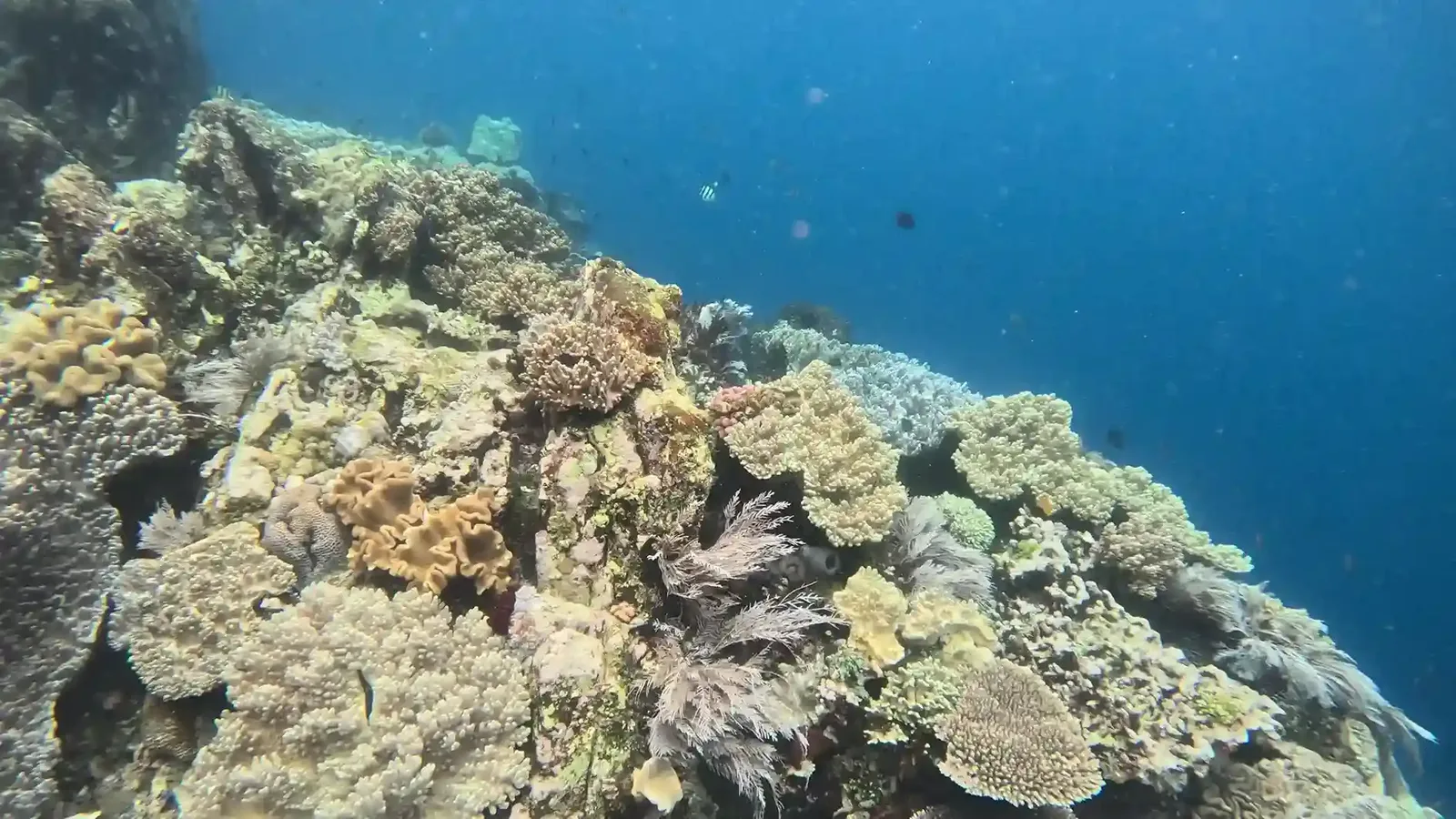
As the global community grapples with escalating climate challenges, the waters surrounding Lombok are noticeably affected. The marine ecosystem here, celebrated for its lively corals and diverse marine species, is undergoing significant transformations due to global warming. Rising sea temperatures, ocean acidification, and evolving weather patterns are disturbing the delicate balance of this underwater environment. The region’s coral reefs, spanning an estimated 1,000 square kilometres, are particularly vulnerable, with warming waters threatening their survival.
The Impact on Lombok’s Marine Ecosystem
Lombok’s marine ecosystem is a complex web of life, acutely sensitive to environmental changes. Climate change affects this ecosystem in several key ways:
- Coral Bleaching: Higher sea temperatures, often exceeding 30 degrees Celsius during peak summer months, cause corals to expel the symbiotic algae living in their tissues, leading to bleaching. If these conditions persist, it can result in widespread coral mortality, impacting approximately 70% of the coral species found in Lombok’s waters.
- Ocean Acidification: The increased absorption of CO2 by the ocean lowers pH levels, weakening coral skeletons and affecting organisms that rely on calcium carbonate for their structure, such as molluscs and some plankton species. This chemical shift has been observed to reduce the growth rates of these species by up to 40%.
- Species Distribution: As water temperatures rise, some marine species are migrating to cooler areas, altering local biodiversity and disrupting established food chains. Notably, certain fish species have shifted their habitats northward by as much as 100 kilometres over the past decade.
These changes necessitate proactive measures to preserve Lombok’s marine life for future generations of divers and conservationists, ensuring that the region remains a viable diving destination.
Diving Impact Climate: What Divers Need to Know
For divers exploring Lombok, understanding how climate change affects diving conditions is essential. Rising water temperatures can lead to reduced visibility, typically dropping by 20-30% during warmer months, and altered marine life behaviour, with some species becoming more elusive or aggressive. In certain areas, shifts in ocean currents can also influence dive safety and planning, requiring divers to adjust their techniques and schedules accordingly.
To adapt, divers should prioritise environmentally friendly practices. This includes minimising physical contact with corals, using reef-safe sunscreen to prevent chemical damage to marine ecosystems, and supporting local conservation initiatives. Divers can also attend workshops offered by local dive centres, which provide guidance on sustainable practices and the latest research findings. For more information on sustainable diving practices, refer to our comprehensive FAQ page.
2027 Note: Current Observations and Initiatives
As of 2027, ongoing research and conservation efforts are crucial in mitigating climate change impacts on Lombok’s marine life. Local initiatives focus on coral restoration, with projects aiming to replant up to 100,000 coral fragments annually, and monitoring water quality through regular sampling and analysis. Divers can also participate in citizen science projects, contributing valuable data to help track environmental changes, such as recording water temperature anomalies or reporting sightings of new species. These efforts are supported by international collaborations, bringing together scientists, NGOs, and local stakeholders.
Preserving Lombok’s Marine Wonders
Preservation efforts in Lombok are gaining momentum, with community-driven projects playing a vital role. Collaborations between local communities, scientists, and divers aim to enhance reef resilience and educate visitors on sustainable diving. Educational programmes for local schools and dive operators focus on the importance of marine conservation, reaching over 5,000 participants annually. By fostering awareness and action, these initiatives help protect the unique marine environment.
FAQ
How is climate change impacting diving conditions in Lombok?
Climate change is affecting diving conditions in Lombok by altering water temperatures, which can impact visibility and marine life behaviour. This makes it essential for divers to stay informed about environmental changes to ensure safe and enjoyable diving experiences.
What measures are being taken to protect Lombok’s marine life?
Efforts to protect Lombok’s marine life include coral restoration projects, water quality monitoring, and community education programmes designed to promote sustainable diving practices and protect marine biodiversity. These initiatives are supported by both local and international organisations.
How can divers contribute to conservation efforts in Lombok?
Divers can contribute to conservation efforts by participating in local initiatives, following environmentally friendly diving practices, and engaging in citizen science projects. These activities help monitor and protect marine ecosystems, ensuring that Lombok remains a thriving habitat for its diverse marine life.